- Understanding Black Mold and Its Dangers
- Professional Black Mold Removal vs. DIY Disaster
- What to Expect from Professional Black Mold Removal
- Finding and Hiring the Right Black Mold Removal Pro
- The Real Cost of Black Mold Removal
- Timing Your Black Mold Removal Project
- Your Rights and Protection When Hiring
- Frequently Asked Questions
Discovering black mold in your home triggers an immediate and understandable panic. Your first instinct might be to grab a bottle of bleach and declare war. This is a critical mistake. Improper black mold removal doesn't just fail to solve the problem; it can actively spread spores, worsen indoor air quality, and lead to serious health issues. The correct approach requires a systematic, professional-grade strategy focused on containment, removal, and prevention. This guide serves as your playbook for navigating black mold removal safely and effectively, ensuring you don't waste money on dangerous shortcuts that put your family at risk.
The term Stachybotrys chartarum, commonly known as black mold, evokes fear for good reason. It thrives on water-damaged, cellulose-rich materials like drywall, ceiling tiles, and wood. While not all dark-colored molds are the toxic Stachybotrys, any significant mold growth warrants a professional assessment. The real danger lies in the mycotoxins some strains produce, which can cause respiratory problems, chronic headaches, fatigue, and more severe reactions in immunocompromised individuals. Effective black mold removal isn't about surface cleaning—it's about addressing the root moisture source and executing a complete remediation protocol.
Understanding Black Mold and Its Dangers
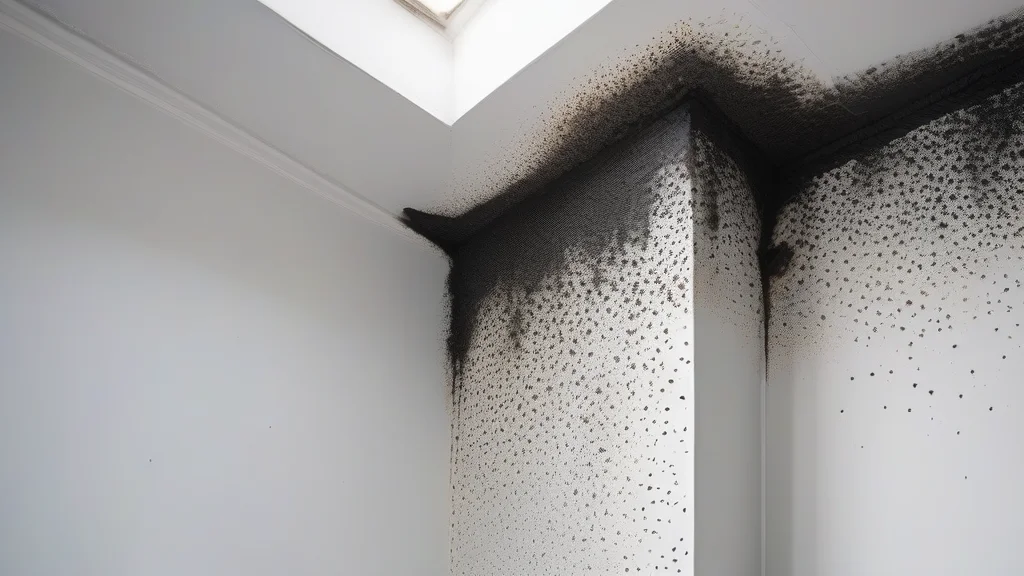
Black mold is more than an unsightly stain; it's a symptom of a persistent moisture problem and a potential health hazard. It grows in places with prolonged exposure to water: behind leaking walls, under soaked carpets, in poorly ventilated bathrooms, or in attics with condensation issues. The distinctive black or dark green appearance, often slimy when wet, is a warning sign. However, visual identification alone is insufficient. Many molds appear dark, and only laboratory testing can confirm the species. The critical factor isn't just the type of mold, but the extent of the infestation and the presence of vulnerable individuals in the home.
The health impacts are the primary driver for urgent black mold removal. Exposure to mold spores and their mycotoxins can trigger allergic reactions similar to hay fever—sneezing, runny nose, red eyes, and skin rash. For those with asthma, mold is a potent trigger for attacks. Long-term exposure in sensitive individuals has been linked to more chronic conditions, including persistent cough, wheezing, and neurological symptoms like memory loss and mood changes. The CDC advises that any mold covering more than 10 square feet should be handled by professionals. This isn't about aesthetics; it's about safeguarding your household's health.
Watch Out
Never attempt to disturb large patches of mold to "test" if it's black mold. Disturbing it releases a cloud of spores into your air. If you suspect a significant problem, isolate the area and call a professional for an assessment.
Professional Black Mold Removal vs. DIY Disaster
The internet is filled with misguided advice recommending bleach, vinegar, or over-the-counter sprays for black mold removal. These methods are not just ineffective; they are often counterproductive. Bleach, for instance, is mostly water. While it may lighten the stain on non-porous surfaces like tiles, the water component soaks into porous materials like drywall and wood, feeding the mold roots (hyphae) deeper within. The surface may look clean, but the infestation continues to grow unseen. This creates a false sense of security while the problem silently worsens behind your walls.
A professional black mold removal protocol is a world apart from DIY spraying. It is a controlled engineering project designed to protect the home's occupants and the workers while permanently eliminating the contamination. The core difference is the principle of containment. Professionals don't just clean; they seal off the affected area with plastic sheeting and use negative air pressure machines with HEPA filters to prevent spores from escaping into other parts of your home during the removal process. They treat the cause, not just the symptom.
Professional Remediation
- Complete Containment — Uses physical barriers and negative air pressure to isolate spores, preventing cross-contamination.
- HEPA-Grade Equipment — Employs industrial air scrubbers and HEPA vacuums that capture 99.97% of particles, including microscopic spores.
- Moisture Source Identification — Trained technicians find and fix the root water leak or humidity issue to prevent recurrence.
- Guaranteed Results — Reputable companies provide post-remediation verification and warranties on their work.
DIY Bleach Methods
- Spreads Spores — Scrubbing or wiping without containment aerosolizes spores, contaminating your entire HVAC system.
- Ineffective on Porous Materials — Bleach cannot penetrate wood or drywall to kill roots, leading to rapid regrowth.
- Health Risk — Mixing chemicals improperly or inhaling fumes during DIY attempts poses direct toxic risks.
- No Moisture Fix — Rarely addresses the underlying leak, guaranteeing the mold will return, often worse than before.
Using bleach on porous surfaces like drywall is the single worst thing you can do for a mold problem. It feeds the mold colony with water and leaves the root system intact, guaranteeing a more severe and hidden recurrence within weeks.
The Bleach Myth and Why It Fails
The pervasive belief that bleach kills mold is a dangerous oversimplification. Chlorine bleach is a powerful disinfectant on hard, non-porous surfaces like glass or ceramic. On porous materials—which comprise most household mold problems—it fails catastrophically. The mold's structure includes deep roots that bleach cannot reach. Furthermore, the Environmental Protection Agency (EPA) explicitly states that bleach is not recommended for black mold removal on porous surfaces. The agency's own guidelines focus on physical removal, containment, and moisture control. Relying on bleach means you are ignoring the official, science-based protocol in favor of a kitchen-cleaner myth.
What to Expect from Professional Black Mold Removal
Hiring a professional for black mold removal means engaging a team that follows a strict, multi-step process. This isn't a quick cleaning job; it's a remediation project. The goal is to return the affected area to a normal fungal ecology, meaning spore counts are at or below outdoor levels. The process begins with a detailed inspection, often including moisture meters and possibly air sampling, to map the full extent of the damage. You should receive a clear, written scope of work before any remediation begins, outlining exactly what will be done and what it will cost.
- Inspection and Assessment
A certified inspector will identify all visible mold, use tools to detect hidden moisture, and determine the source of the water intrusion. They may recommend testing to confirm the mold type, especially if health concerns are significant.
- Containment and Air Filtration
The work area is sealed with plastic sheeting. Negative air pressure is established using an air scrubber, which exhausts filtered air outside, ensuring spores cannot escape into clean areas of your home.
- Removal of Contaminated Materials
Porous materials heavily infested with mold, such as drywall, insulation, and carpeting, are carefully removed, double-bagged, and disposed of as hazardous waste according to local regulations.
- Cleaning and Sanitizing
Remaining structural elements are cleaned with EPA-approved antimicrobial agents. All surfaces are then HEPA-vacuumed to remove any remaining spores from the air and surfaces.
- Drying and Verification
Industrial-grade dehumidifiers and air movers dry the area completely to a specified moisture content. A post-remediation verification test, often with air sampling, confirms the black mold removal was successful.
Did You Know?
True professional remediation companies do not perform both testing and remediation on the same job. This is a conflict of interest. A reputable inspector should be independent from the remediation company to ensure an unbiased assessment.
Finding and Hiring the Right Black Mold Removal Pro
Your choice of contractor is the most critical decision in the entire black mold removal process. The industry, unfortunately, has its share of unscrupulous operators who use scare tactics to inflate prices or perform incomplete work. You need a licensed, certified, and insured professional who follows industry standards like the IICRC S520. Start by asking for referrals from trusted sources, but don't stop there. Verify every credential yourself. A legitimate company will willingly provide proof of their certifications, general liability insurance, and workers' compensation coverage.
Always get at least three detailed written estimates. These quotes should be itemized, breaking down costs for inspection, containment, material removal, cleaning, drying, and post-verification. Be wary of any company that gives a vague "per job" quote over the phone without seeing the damage. A site visit is non-negotiable. During the consultation, ask pointed questions about their process. How will they contain the area? What is their protocol for protecting your belongings and other parts of the home? Do they guarantee their work in writing? Platforms like HomeProMatcher simplify this vetting process by connecting you with pre-screened local pros who meet these baseline criteria, saving you from the headache of endless searches and credential verification.
What a Top-Tier Mold Remediation Pro Looks Like
A highly-rated professional will hold certifications like IICRC Certified Mold Remediation Technician (CMRT) or Applied Microbial Remediation (AMRT). They carry a minimum of $1 million in general liability insurance and provide a detailed, written contract. They use industry-standard equipment (HEPA air scrubbers, negative air machines) and never recommend "fogging" or "sealing" mold as a primary solution. Their quote includes a clear post-remediation verification method.
Red Flags and Questions to Ask
Being an informed consumer is your best defense against poor service. Watch for these major red flags: a company that offers free testing but then miraculously finds a huge problem; a recommendation to simply spray and seal mold without removal; pressure to sign a contract immediately; or a quote that is dramatically lower than all others. Your due diligence checklist should include verifying the company's standing with the Better Business Bureau and checking for online reviews that mention follow-up and customer service, not just the initial sale.
- "Guaranteed Kill" Claims — Mold is a fungus, not an insect. Professionals remove it, they don't "kill" it. This is misleading marketing.
- No Written Contract — Never proceed without a detailed, signed contract outlining the scope, timeline, costs, and warranty.
- Demands Full Payment Upfront — Reputable companies typically require a deposit, with the balance due upon satisfactory completion and verification.
- Can't Provide References — Ask for 2-3 recent references for jobs of similar size and call them. Ask about cleanup, communication, and any issues after the work was done.
The Real Cost of Black Mold Removal
The price of professional black mold removal varies widely based on the infestation's severity, location, and your geographic region. A small, contained bathroom leak might cost $500 to $1,500 to remediate. A widespread problem affecting an entire basement or attic due to chronic flooding could easily exceed $6,000 or more. The primary cost drivers are the square footage of contamination, the accessibility of the area, the types of materials affected, and the required level of containment. Remember, this is not an expense; it's an investment in your property's structural integrity and your family's health.
Homeowners insurance may cover black mold removal costs, but only if the mold resulted from a "covered peril." This typically means a sudden, accidental event like a burst pipe or storm damage. Insurance will not cover mold resulting from long-term neglect, poor maintenance, or high humidity (like from a constantly damp bathroom). Filing a claim requires documentation: photos of the mold and the identified source, a detailed report from a qualified inspector, and a remediation estimate from a licensed contractor. Always contact your insurance provider before work begins to understand your coverage and the claims process.
When comparing quotes, don't just look at the bottom line. Compare the scope of work line-by-line. The cheapest option often cuts corners on containment, air filtration, or verification testing, which can lead to incomplete black mold removal and costly future problems.
Timing Your Black Mold Removal Project
Mold remediation is not a seasonal job, but timing can affect logistics and cost. Summer months often see higher humidity, which can complicate the drying phase, requiring more powerful equipment. Winter projects may be easier to contain and dry due to lower ambient humidity, but accessing frozen exterior water sources can be challenging. The best time is as soon as you discover the problem. Delaying allows the infestation to grow, increasing the scope and cost of the black mold removal. If you're planning other renovations, schedule remediation first—it's the essential foundation for any healthy home improvement.
Plan for disruption. A professional black mold removal project will require you to vacate the contained area, and sometimes the entire home, for the duration of the work, especially if HVAC systems are involved. Discuss the timeline clearly with your contractor. A small job might take 1-2 days, while a severe infestation could require 5-7 days or more. Factor in the time for post-remediation drying and verification testing before the area is declared safe for reoccupation. Good communication from your pro about the daily schedule minimizes stress and helps you plan accordingly.
Your Rights and Protection When Hiring
As a consumer hiring a specialist service, you have specific rights. You have the right to a written, detailed estimate and contract. You have the right to understand the process and ask questions. You have the right to see proof of licensing and insurance. Crucially, you have the right to a post-remediation verification report that shows the work was completed successfully. This document is your proof of due diligence and is essential if you ever sell your home. Never accept a simple "it's done" verbal assurance; demand the data.
Your contract is your legal protection. Ensure it includes a clear start and completion date, a detailed scope of work, the total cost and payment schedule, warranty terms, and a clause outlining the protocol for change orders (if additional mold is found). It should also specify who is responsible for obtaining any necessary permits. If a company is reluctant to put these terms in writing, walk away. Using a service like HomeProMatcher adds a layer of protection, as they pre-vet providers for licensing and insurance, and facilitate the connection, giving you a trusted starting point for your black mold removal project.
The most important document you get from a mold remediation project isn't the bill—it's the post-remediation verification report from a third-party tester. This is your proof that the area is safe and the work was done to industry standards.
Frequently Asked Questions
Frequently Asked Questions
It depends on the source. If the mold results from a sudden, covered event like a burst pipe or storm damage, your policy may cover the removal. If it's due to long-term neglect, high humidity, or a slow leak you failed to address, it likely will not be covered. Always review your policy and speak with your agent before filing a claim.
For a typical residential infestation (10-100 square feet), expect the active remediation (containment, removal, cleaning) to take 1-3 days. The critical drying phase afterward can add another 24-72 hours. The entire process from inspection to final clearance report usually spans 3-7 days.
For small, well-contained projects, you may be able to stay, but you must avoid the contained work area. For larger projects, or if the mold is in HVAC ducts or common living areas, temporary relocation is often recommended to prevent exposure to spores and cleaning chemicals. Your remediation plan should include a clear discussion about occupancy safety.
This is a key distinction. "Removal" implies 100% elimination, which is impossible since mold spores exist naturally everywhere. Remediation is the accurate term. It means bringing mold levels back to a normal, safe, natural level through professional containment, cleaning, and moisture control.
Prevention is entirely about moisture control. Fix leaks immediately, ensure proper ventilation in bathrooms, kitchens, and attics, use dehumidifiers in damp basements, and keep indoor humidity below 60% (ideally 30-50%). The most successful black mold removal includes a permanent fix for the water source.