- The Smart Bathroom Renovation Value Proposition
- High-ROI Smart Features for Your Bathroom Renovation
- Cost vs. Value: A Smart Bathroom Renovation Breakdown
- Hiring the Right Pro for a Smart Bathroom Renovation
- Red Flags and Smart Questions for Your Contractor
- Maximizing Your Return: Planning and Execution
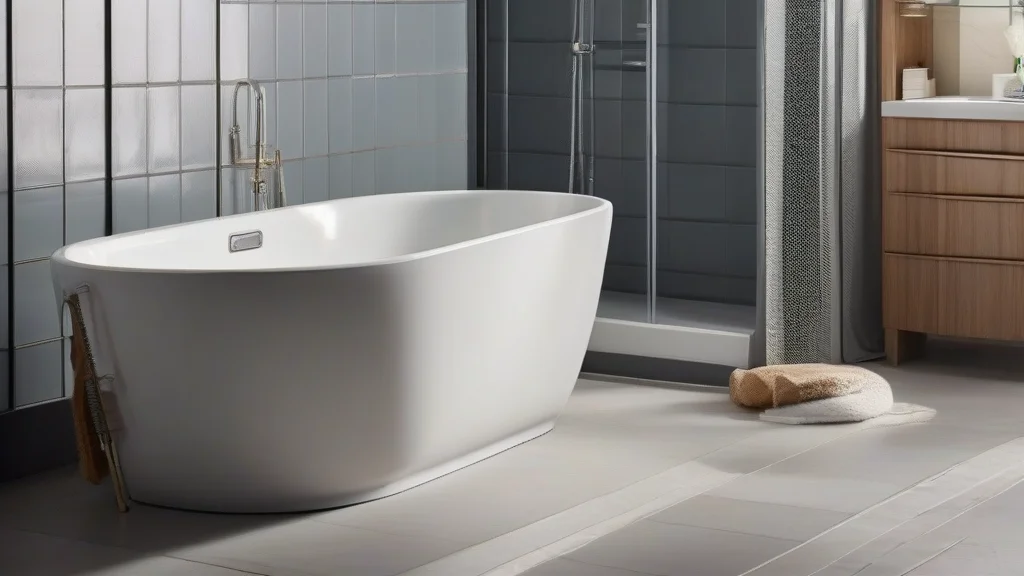
Imagine stepping into a bathroom where the lights adjust to your morning routine, the shower turns on to your preferred temperature before you get in, and the mirror displays your schedule and the weather. This isn't a scene from a sci-fi movie; it's the reality of a modern smart bathroom renovation. For homeowners considering an upgrade, the central question is no longer just about tile and fixtures, but whether integrating technology delivers a tangible return on investment. A strategic bathroom renovation that incorporates smart features can significantly boost your home's appeal and market value, moving it from a functional space to a premium selling point.
The real estate market increasingly rewards homes that offer convenience, efficiency, and a touch of luxury. A well-executed bathroom renovation is consistently one of the top interior projects for recouping costs, but adding a layer of intelligence can elevate that return further. This article explores the specific smart technologies that modern buyers find compelling, analyzes the real cost versus value equation, and provides a practical framework for planning and executing a tech-forward upgrade. We'll move beyond the gadgets to focus on the integrated experience—how these features work together to create a space that feels both luxurious and intuitively responsive.
The Smart Bathroom Renovation Value Proposition
The value of a smart bathroom renovation extends far beyond simple novelty. It addresses core desires of today's homebuyers: energy efficiency, personalized comfort, and hassle-free maintenance. While a standard remodel updates aesthetics, a smart remodel updates the home's operating system. This creates a powerful narrative for potential buyers, who see not just a new bathroom but a modern, future-proofed home. The investment shifts from being purely cosmetic to being an upgrade in the home's fundamental functionality and intelligence.
Real estate agents report that homes with integrated smart features often spend less time on the market and attract more competitive offers. A bathroom is a key focal point during showings, and one that demonstrates clear technological benefits makes a memorable impression. Think of it as the difference between a car with manual windows and one with automatic, climate-controlled seats. Both get you from point A to B, but one commands a higher price due to perceived quality and convenience. Your bathroom renovation should aim for that same elevated perception.
A smart bathroom renovation is an investment in your home's operational intelligence, not just its looks. It creates a compelling story of convenience and efficiency that directly appeals to modern buyers, potentially accelerating sale time and increasing offer amounts.
High-ROI Smart Features for Your Bathroom Renovation
Not all smart gadgets are created equal. To maximize value, focus on features that offer clear, daily benefits and are relatively future-proof. The goal is seamless integration that feels intuitive, not intrusive. Here are the categories that deliver the best return in a modern bathroom renovation.
Digital Showering and Faucet Systems
This is often the centerpiece of a luxury smart bathroom. Digital shower systems allow users to pre-set exact water temperature and flow rate, often with multiple user profiles. Imagine a shower that reaches your perfect 101°F setting instantly, every time, conserving water while you wait. For families, this means no more sudden blasts of cold or scalding water. High-end systems can even be activated by voice or a smartphone app from another room. The value proposition here is immense: personalized luxury, water conservation, and enhanced safety, especially for children or elderly users.
Water Savings Tip
A thermostatic digital shower valve can reduce water waste by up to 30% compared to a manual system by eliminating the need to adjust the temperature each time. This saves money and appeals to eco-conscious buyers.
Smart Mirrors and Lighting
The medicine cabinet is getting a major upgrade. Smart mirrors with integrated LEDs offer adjustable color temperature—cool white for applying makeup, warm for a relaxing bath. More advanced models include touch-screen displays that can show news, weather, or your calendar. Some even have built-in defoggers activated by humidity sensors. Paired with smart lighting systems like Philips Hue or Lutron, you can create lighting "scenes" for different times of day. A "Morning" scene might brighten the entire room, while an "Evening" scene dims the lights to a warm glow. This level of environmental control is a major selling point that buyers immediately understand and appreciate.
Intelligent Ventilation and Climate Control
Bathroom moisture is a prime enemy of your home's integrity. Smart ventilation solves this proactively. Instead of a noisy fan on a simple timer, a smart fan connects to humidity sensors and runs only as long as needed to clear the air, shutting off automatically. It can even be tied to your smart home system to trigger when you say, "Goodnight." Pair this with a smart thermostat that can slightly raise the bathroom floor heat or room temperature before your alarm goes off. This combination fights mold, improves air quality, and adds a layer of comfort that standard bathrooms lack. It’s a feature that speaks directly to home maintenance and health.
Advantages of Smart Bath Tech
- Personalized Comfort — Custom settings for every user create a daily luxury experience.
- Energy & Water Efficiency — Automated systems reduce waste, lowering utility bills and appealing to green buyers.
- Enhanced Safety & Accessibility — Voice control, preset temperatures, and automatic lighting benefit all ages and abilities.
- Future-Proof Appeal — Integrates with broader smart home ecosystems, a must-have for tech-savvy markets.
Considerations & Challenges
- Higher Upfront Cost — Premium technology and specialized installation increase the initial budget.
- Integration Complexity — Requires a contractor with both electrical and low-voltage tech expertise.
- Technology Evolution — Choosing systems with open APIs helps avoid future obsolescence.
- Potential Overkill — In some markets, overly complex systems may not yield a full return.
Cost vs. Value: A Smart Bathroom Renovation Breakdown
Understanding the financials is critical. A standard midrange bathroom remodel nationally averages $20,000-$35,000, with a recoup of about 60-70% at resale. Adding smart features typically increases the total project cost by 15-25%. However, in the right market, this can push the overall value recouped higher. The key is strategic allocation. You don't need to wire every square inch; focus on two or three high-impact features that create a cohesive experience.
For example, investing $4,000 in a digital shower and $1,500 in smart lighting within a $30,000 remodel brings the total to $35,500. In a competitive market where tech-forward homes are prized, this upgraded bathroom renovation could help your home stand out and potentially recoup 75% or more of the total investment. The value isn't just in the dollar-for-dollar return; it's in the perceived quality that can make your home the one a buyer remembers and must have.
Budget Reality Check
Always allocate 10-15% of your total smart bathroom renovation budget for unforeseen issues, especially related to integrating new wiring or plumbing with old home systems. This contingency fund is non-negotiable for a smooth project.
Hiring the Right Pro for a Smart Bathroom Renovation
This is where many projects go off the rails. A traditional general contractor may excel at tile work and plumbing but have zero experience with low-voltage wiring, network integration, or programming smart home ecosystems. Your bathroom renovation now requires a hybrid team. You need a contractor who either has in-house smart home specialists or has established partnerships with certified technology integrators. This coordination is the single biggest factor between a frustrating, buggy experience and a seamless, magical one.
Start your search by looking for pros who specifically mention "smart home integration," "home automation," or "technology-forward remodels" in their portfolio. Don't be shy about asking for references from past clients who had similar tech-heavy projects. A great resource for finding such specialized, vetted professionals is HomeProMatcher. Instead of endless searching and vetting, you can get matched with local, pre-screened contractors who have the specific expertise a smart bathroom renovation demands, streamlining the entire hiring process.
- Define Your Tech Scope
Before you call anyone, make a list of the specific smart features you want. Research brands and systems. Knowing whether you want a proprietary system (like Kohler's Konnect) or one that works with Google Home or Apple HomeKit will help you find the right pro.
- Seek Specialized Quotes
Get detailed quotes from at least three contractors. The quote should clearly separate standard construction costs (demo, framing, tile) from technology supply and integration costs. This clarity prevents misunderstandings later.
- Verify Credentials and Partnerships
Ask for proof of licensing and insurance. Crucially, ask if they are certified installers for the specific smart brands you're considering (e.g., Moen, Delta, Lutron). This certification often includes specialized training.
- Review the Integration Plan
The contractor should provide a clear plan for how the electrician, plumber, and tech integrator will coordinate. Who will be on-site to program the devices and ensure they talk to each other? Pin this down in writing.
Red Flags and Smart Questions for Your Contractor
Protecting your investment means being an informed client. Watch for these warning signs during the consultation phase, and arm yourself with questions that separate the experts from the amateurs.
Major Red Flags
Walk away if a contractor dismisses your tech ideas as "unnecessary," suggests overly proprietary systems with no integration path, or cannot provide a single example of a past smart bathroom renovation. This indicates a lack of experience that will cost you time and money.
Here are critical questions to ask any contractor bidding on your smart bathroom renovation:
- "What is your experience with installing and integrating [specific brand, e.g., digital shower valves]?" — Listen for specific project stories, not vague assurances.
- "Who on your team handles the low-voltage wiring and system programming?" — The answer should be a specific person or subcontractor with relevant credentials.
- "Can you provide a network diagram or wiring plan for the smart features?" — A competent pro will have a plan for how devices connect and where hubs are placed.
- "What is the protocol for troubleshooting tech issues after installation, and what is covered under warranty?" — Get clarity on support. Is it a 30-day callback, or do they partner with the tech provider for longer support?
- "How do you ensure the aesthetic design isn't compromised by technology (e.g., hiding wires, placing sensors discreetly)?" — This tests their ability to blend form and function seamlessly.
Maximizing Your Return: Planning and Execution
The final value of your project hinges on thoughtful planning and flawless execution. Think of your smart bathroom renovation in phases: design, rough-in, installation, and programming. The rough-in phase—when wires and pipes are placed behind walls—is the most critical. A mistake here means opening up walls later, which is costly and disruptive. Insist on a pre-construction meeting where the general contractor, electrician, plumber, and tech integrator are all present to review the plans together.
Document everything. Keep a folder with model numbers, warranty information, installation manuals, and login credentials for any apps. This "homeowner's manual" for your new bathroom is incredibly valuable for you and will be a fantastic selling tool later. It shows a prospective buyer that the technology was installed professionally and can be easily maintained. Finally, consider the broader context. A smart bathroom has the greatest impact when the rest of the home is also updated. If the bathroom is the only high-tech room, it can feel out of place. At minimum, ensure it connects to your home's Wi-Fi network reliably, which may necessitate a mesh network extender as part of the project.
The success of a smart bathroom renovation is 30% product selection and 70% installation and integration. Meticulous planning during the rough-in phase and hiring a coordinated, specialized team are non-negotiable for achieving the luxury experience and high ROI you're investing in.
Frequently Asked Questions
Quite the opposite, if done correctly. It makes your home stand out in listings and appeals to a growing demographic of tech-savvy buyers. The key is choosing mainstream, user-friendly systems that are easy to demonstrate. Avoid overly niche or complicated setups that might intimidate someone less familiar with technology.
Smart lighting and ventilation offer the best balance of cost and impact. Replacing a standard light switch with a smart dimmer and installing a humidity-sensing fan are relatively low-cost upgrades that provide immediate daily benefits in comfort and efficiency, with clear appeal to future buyers.
Focus on systems with open APIs that work with major platforms like Amazon Alexa, Google Assistant, and Apple HomeKit. Choose brands with a strong track record of software updates. Also, during the rough-in, ask your electrician to install conduit (smurf tube) to key locations, making it easy to pull new wires in the future without damaging walls.
Yes, with careful planning. The most successful staged approach is to do all the necessary wiring and plumbing rough-ins during the initial full renovation. You can install standard fixtures now and leave access points. Later, you can easily swap in the smart shower valve, mirror, or other devices without another major demolition project.
It can be, but it requires extra diligence. Older electrical systems may need upgrading to handle new loads and ensure safety. Wireless technology can sometimes be a better solution than hardwired in older homes with plaster walls. A skilled contractor will assess your home's infrastructure first and recommend the most reliable integration path.