When a fire is extinguished, the immediate danger may seem to be over. However, a more insidious threat often remains: the pervasive contamination of your home's air by smoke and soot. This article focuses on the persistent, invisible threat of smoke and soot after a fire, explaining how professional fire damage restoration tackles airborne contaminants to ensure truly safe, breathable air. The question isn't just about cleaning walls; it's whether your home can ever truly be healthy again without expert intervention.
The lingering odor is the most obvious clue, but it's merely the tip of the iceberg. Microscopic particles and toxic gases from burnt materials embed themselves in every porous surface and your ventilation system, creating an ongoing health hazard. Many homeowners make the critical mistake of treating fire damage as a simple cleaning job, only to suffer from respiratory issues and property devaluation later. Understanding the science behind smoke infiltration is the first step toward a complete and safe recovery for your home and family.
Understanding Smoke Damage Beyond the Surface
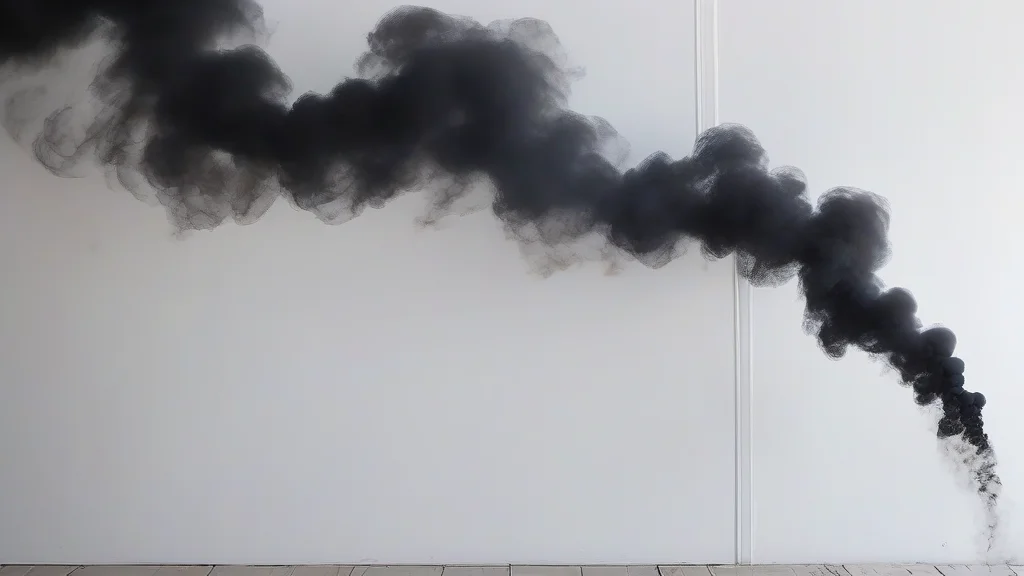
Smoke damage is a complex chemical invasion, not just a layer of black dust. The composition of smoke varies dramatically based on what burned—plastics, wood, synthetics, or fabrics—each releasing a unique cocktail of acidic soot, toxic gases, and oily residues. This contamination behaves like a gas, penetrating drywall, insulation, wood framing, and even concrete. The acidic nature of soot can cause metals to corrode, electronics to fail, and finishes to yellow within days if not neutralized.
The concept of permeation is key. Smoke particles are incredibly fine, often measuring less than 4 microns in size. For comparison, a human hair is about 70 microns thick. These tiny particles bypass standard air filters and settle deep into the fibers of carpets, upholstery, and clothing. More critically, they become airborne again with normal activity like walking or running the HVAC system, leading to cyclical recontamination. This is why surface cleaning alone fails; it addresses only the visible fraction of the problem.
Important
Never attempt to clean extensive smoke damage yourself with store-bought chemicals. Improper cleaning can set stains permanently and drive contaminants deeper into materials, making professional fire damage restoration more difficult and expensive later.
The Different Types of Smoke Residue
Identifying the type of smoke residue is the first task for any professional restorer, as it dictates the cleaning protocol. Each type presents unique challenges.
- Wet Smoke — Results from low-heat, smoldering fires often involving plastics or rubbers. This residue is sticky, smeary, and has a pungent odor. It's exceptionally difficult to clean and typically requires specialized chemical sponges and solvents.
- Dry Smoke — Produced by fast-burning, high-temperature fires involving wood or paper. This powder-like residue is easier to wipe off surfaces but can infiltrate cracks and porous materials more deeply due to its fine particle size.
- Protein Smoke — Virtually invisible but has a severely pungent odor. Caused by evaporation of meat or other proteins, it discolors paints and varnishes and can only be removed through specialized ozone or thermal fogging treatments.
- Fuel/Oil Soot — Comes from furnace puff-backs or petroleum fires. This greasy, black residue stains intensely and requires alkaline-based cleaners to break down the oils.
Mistaking one type for another can lead to ineffective cleaning methods. A professional fire damage restoration company will begin with a thorough residue analysis to determine the correct approach, saving you time and preventing permanent damage.
The Invisible Air Quality Threats After a Fire
The air you breathe after a fire can contain a hazardous mix of carcinogens, irritants, and toxic gases. Compounds like benzene, formaldehyde, and hydrogen cyanide—often released from burning household materials—linger long after the flames are out. These are not odors; they are health threats. Prolonged exposure in an improperly restored home can lead to chronic headaches, aggravated asthma, dizziness, and in severe cases, long-term respiratory or neurological issues.
Particulate matter (PM2.5) from soot is small enough to enter your bloodstream through the lungs. The Environmental Protection Agency links long-term exposure to PM2.5 with heart and lung disease. In a fire-damaged home, particulate levels can remain elevated for months without proper air scrubbing and duct cleaning. Children, the elderly, and those with pre-existing conditions are at the highest risk. The goal of professional restoration isn't just a clean-looking home, but a certifiably safe living environment.
The most dangerous aspect of fire damage is what you can't see. Professional fire damage restoration uses industrial-grade air scrubbers and thermal fogging to neutralize toxins at the molecular level, not just mask them with perfumes.
How Smoke Odor Becomes "Locked In"
Odor molecules bind to surfaces through a process called adsorption. Unlike absorption, where a substance is soaked up, adsorption involves particles adhering to the outer layer of a material. Over time, heat and humidity can cause these locked-in odors to re-release, creating that familiar "smoky" smell on humid days or when the heating system kicks on. This is why painting over smoke-stained walls or spraying air fresheners is a futile, temporary fix.
Effective odor removal requires breaking these molecular bonds. Professional techniques like thermal fogging deploy a heated, deodorizing mist that penetrates materials to reach the same depth as the smoke, neutralizing odor particles. Ozone treatment uses a powerful oxidizing gas to alter the chemical structure of odor molecules. These are not DIY methods; they require controlled environments and safety protocols managed by certified technicians.
The Professional Fire Damage Restoration Process
A comprehensive fire damage restoration follows a meticulous, multi-step protocol designed to address both visible damage and hidden hazards. The process typically unfolds over several days or weeks, depending on severity. It begins with a detailed assessment and moves through containment, cleaning, and final verification. Skipping any step compromises the entire outcome.
- Emergency Contact and Inspection
A certified technician arrives to perform a loss assessment. They document all damage, test soot residues, and use moisture meters to find hidden water damage from firefighting efforts. This inspection creates the scope of work and initial estimate.
- Board-Up and Water Removal
To secure the property, broken windows or doors are boarded up. Any standing water is extracted immediately to prevent mold growth, which can compound the damage within 24-48 hours.
- Soot and Smoke Removal
Using dry chemical sponges, HEPA vacuums, and ultrasonic cleaners, technicians remove soot from all surfaces. Contents like furniture and belongings are often moved to an off-site cleaning facility for specialized treatment.
- Cleaning and Sanitizing
All restorable surfaces are cleaned with approved, residue-specific cleaners. The entire environment, including air ducts, is sanitized to kill any bacteria or microbial growth encouraged by the fire.
- Odor Elimination and Air Scrubbing
Industrial air scrubbers with HEPA and carbon filters run continuously to remove airborne particles. Thermal fogging or ozone generators are deployed to neutralize odors at their source.
- Restoration and Reconstruction
The final stage involves repairing or replacing structural elements like drywall, flooring, and painting. This returns your property to its pre-loss condition, completing the fire damage restoration cycle.
Ask your restoration pro for a detailed, written timeline. A reputable company will provide a clear schedule for each phase, from initial cleanup to final reconstruction, so you can plan accordingly.
Hiring the Right Fire Damage Restoration Pro
Choosing the wrong company for fire damage restoration can lead to incomplete cleanup, ongoing health risks, and denied insurance claims. Your selection process must be thorough and deliberate. Start by verifying that any company you consider holds current certifications from the Institute of Inspection, Cleaning and Restoration Certification (IICRC) in fire and smoke restoration. This certification is the industry standard for training and ethics.
Always get at least three detailed, written estimates. Be wary of any contractor who pressures you to sign a contract on the spot or who offers a bid that seems drastically lower than others. This can be a sign of corner-cutting or hidden fees. A trustworthy provider will walk you through their estimate line by line, explaining what each charge covers. For a streamlined way to find pre-vetted local professionals, consider a service like HomeProMatcher. It connects homeowners with licensed, insured, and reviewed restoration specialists in their area, saving the hassle of endless cold calls and background checks.
Elite Restoration Services
A full-service firm with IICRC Master Fire Restorer certifications. They offer 24/7 emergency response, handle insurance claims directly, and provide a detailed air quality report upon project completion. Known for their thermal fogging and content-cleaning facilities.
Red Flags and Questions to Ask
Protect yourself by knowing the warning signs of an unreliable contractor. Avoid companies that only have a P.O. box address, demand large upfront payments in cash, or are unwilling to provide proof of insurance. Their insurance should include both general liability and workers' compensation to protect you if an accident occurs on your property.
- Proof of Licensing & Insurance — Ask for copies of their business license and certificates of insurance. Verify them independently.
- Detailed Written Contract — The contract must specify the scope of work, materials to be used, a payment schedule, and a completion date.
- References from Similar Jobs — Request 2-3 references from fire damage jobs completed in the last year and actually call them.
- Insurance Claim Experience — Will they work directly with your adjuster? A seasoned pro understands insurance paperwork and can provide proper documentation.
- Guarantee on Work — Do they offer a warranty on their restoration work? A company confident in its methods will stand behind them.
Taking an hour to vet your contractor can save you thousands of dollars and immeasurable stress. Your home's safety and your family's health depend on a job done right the first time.
Did You Know?
Most homeowner's insurance policies cover fire damage restoration costs. The key is to document everything thoroughly before cleanup begins. Take extensive photos and videos, and keep all receipts related to temporary relocation, as these may be reimbursable.
Costs and Budgeting for Fire Damage Restoration
The cost of professional fire damage restoration varies widely, typically ranging from $3,000 to $50,000+, depending on the fire's size and severity. Minor kitchen fire restoration might cost a few thousand dollars, while a whole-house restoration can exceed six figures. The national average falls between $12,000 and $35,000. These figures encompass soot and smoke removal, odor neutralization, cleaning of salvageable contents, and structural repairs.
Several key factors drive the price. The square footage affected is the primary driver. The type of smoke residue (wet smoke is more expensive to clean than dry smoke) and the extent of penetration into ductwork, insulation, and framing also play major roles. Labor costs, which account for 40-60% of the total, depend on your location and the project's complexity. Remember, the cheapest quote is rarely the best value when it comes to ensuring your air is safe to breathe.
Working with Your Insurance Company
Your homeowner's insurance policy is your most important financial tool after a fire. Notify your agent immediately. Most policies cover the reasonable cost to repair or replace damaged property and pay for additional living expenses if you must relocate. A reputable fire damage restoration company will often work directly with your insurance adjuster, providing the detailed documentation needed to justify the claim.
Be prepared for the possibility of a depreciation holdback on damaged personal property. Your insurer may initially pay only the actual cash value (replacement cost minus depreciation) and release the recoverable depreciation once you provide receipts proving repairs or replacements were made. Keep meticulous records of all communications, estimates, and purchases. If you feel overwhelmed by this process, a public adjuster can advocate on your behalf, though they typically charge 10-15% of the final settlement.
Advantages of Professional Restoration
- Health & Safety Guarantee — Proper removal of toxins and particulates ensures long-term air quality.
- Insurance Compliance — Detailed documentation supports maximum claim recovery.
- Prevents Secondary Damage — Stops soot acidity from corroding metals and electronics.
- Saves Time & Money Long-Term — Corrects the problem fully, preventing costly re-dos.
Risks of Inadequate DIY or Cheap Service
- Hidden Health Hazards — Lingering toxins can cause chronic respiratory issues.
- Permanent Odor & Stains — Improper cleaning can set stains and lock in smells.
- Voided Insurance Claims — Poor documentation or unauthorized work can lead to claim denial.
- Property Value Loss — Unremediated smoke damage significantly reduces resale value.
Frequently Asked Questions
The timeline varies drastically. A small, contained fire might be restored in 3-5 days. For a severe whole-house fire involving structural repair, the process can take several weeks to months. The initial cleanup and deodorization phase is usually the fastest, while reconstruction depends on material availability and contractor schedules.
It depends on the damage extent and the methods used. During intensive soot removal, ozone treatment, or thermal fogging, you must vacate the premises for safety. Your restoration company will advise based on the specific hazards present. Most insurance policies cover hotel or rental costs under "loss of use" coverage.
Most standard policies cover fire and smoke damage restoration, but you are responsible for your deductible. Coverage limits and exclusions apply, so review your policy. The key is proper documentation—photograph everything before cleanup starts and keep all receipts. Working with a restoration company experienced in insurance claims maximizes your recovery.
When performed correctly by a certified professional using methods like thermal fogging, yes. These treatments neutralize odor molecules rather than masking them. A quality company will guarantee their odor removal work. If the odor returns, it typically indicates hidden contamination was missed, and they should return to address it at no extra charge.
First, ensure your family's safety and contact emergency services if needed. Then, contact your insurance company to start the claim. Before any cleanup begins, document all damage with photos and video. Finally, call a reputable, certified fire damage restoration company for an emergency assessment and board-up services to secure your property.
So, can smoke damage ruin your home's air forever? The answer is a resounding only if you let it. Without professional intervention, toxic particles and persistent odors can indeed become a permanent, unhealthy fixture in your home. However, with a systematic, science-backed approach from a certified fire damage restoration specialist, your home's air can be returned to a state that is not just clean, but truly healthy. The investment goes beyond property value; it secures the well-being of everyone who lives there.
The path to recovery after a fire is challenging, but you don't have to navigate it alone. Equip yourself with knowledge, ask the right questions, and partner with qualified experts who view restoration as a health imperative, not just a construction job. Taking decisive, informed action now prevents a temporary disaster from becoming a permanent liability for your home and your health.