- What Is Mold Testing? Your First Line of Defense
- When Should You Consider Professional Mold Testing?
- How Mold Testing Works: A Look at Common Methods
- Hiring a Mold Inspector: Your 5-Step Checklist
- Decoding Your Mold Testing Report: What It All Means
- How Much Does Mold Testing Cost? A Realistic Budget Guide
- From Testing to Remediation: What Happens After You Get Results
That persistent, unexplained cough in your home isn’t just a nuisance—it could be a silent alarm. For many families, chronic respiratory issues, itchy eyes, and mysterious headaches are dismissed as seasonal allergies or a common cold. But when these symptoms linger or worsen indoors, the root cause may be hidden within your walls, under your floors, or in your ventilation system. Mold testing is the investigative process that connects these health dots to a tangible environmental source. It’s not about paranoia; it’s about proactive protection for your family’s well-being and your home’s structural integrity. This article will guide you through when, why, and how to pursue professional mold testing, ensuring you can make informed decisions to reclaim your indoor air quality.
The presence of mold is more common than most homeowners realize. The EPA estimates that indoor air can be two to five times more polluted than outdoor air, with mold spores being a primary contributor. What begins as a small, damp spot from a slow pipe leak or past flooding can blossom into a colony releasing microscopic spores into your living space. You can’t always see or smell the problem until it’s significant. This is where formal mold testing becomes invaluable. It moves beyond guesswork, providing scientific data on the type and concentration of mold present. Understanding this process is the first step in transforming your home from a potential health hazard back into a safe haven.
What Is Mold Testing? Your First Line of Defense
At its core, mold testing is a diagnostic service performed by certified professionals to assess the presence, type, and concentration of mold fungi in a building. It’s a critical component of a comprehensive indoor air quality assessment. The goal isn’t to prove a home is "mold-free"—an almost impossible standard—but to determine if mold levels inside are significantly higher than normal outdoor levels and to identify specific problematic species. A proper inspection involves more than a quick glance; it combines visual examination with scientific sampling and laboratory analysis.
The process yields a detailed report that serves as a roadmap. This document outlines where samples were taken, what was found, and the spore count per cubic meter of air or per square centimeter of surface. This data is compared to control samples from outdoors and to established health guidelines. The most crucial outcome of professional mold testing is its ability to pinpoint hidden infestations. Mold often grows in cavities, inside wall assemblies, under carpets, or in attics—places you’d never think to look. An inspector uses tools like moisture meters, boroscopes, and thermal imaging cameras to find these concealed moisture sources that fuel mold growth.
Important
Do-it-yourself mold test kits from hardware stores are notoriously unreliable. They often give false negatives, fail to quantify the problem accurately, and provide no context for interpreting results. For health and legal purposes, professional mold testing by a certified, independent inspector is always recommended.
When Should You Consider Professional Mold Testing?
Knowing when to call in a professional can save you thousands in future repairs and safeguard your family’s health. You shouldn’t wait for black, fuzzy patches to appear on your drywall. Mold testing is warranted in several specific scenarios where risk is elevated. The most common trigger is persistent health symptoms that improve when family members leave the home for extended periods. If your child’s asthma flares up at home but not at school, or if unexplained sinus infections and fatigue are a pattern, your indoor environment deserves scrutiny.
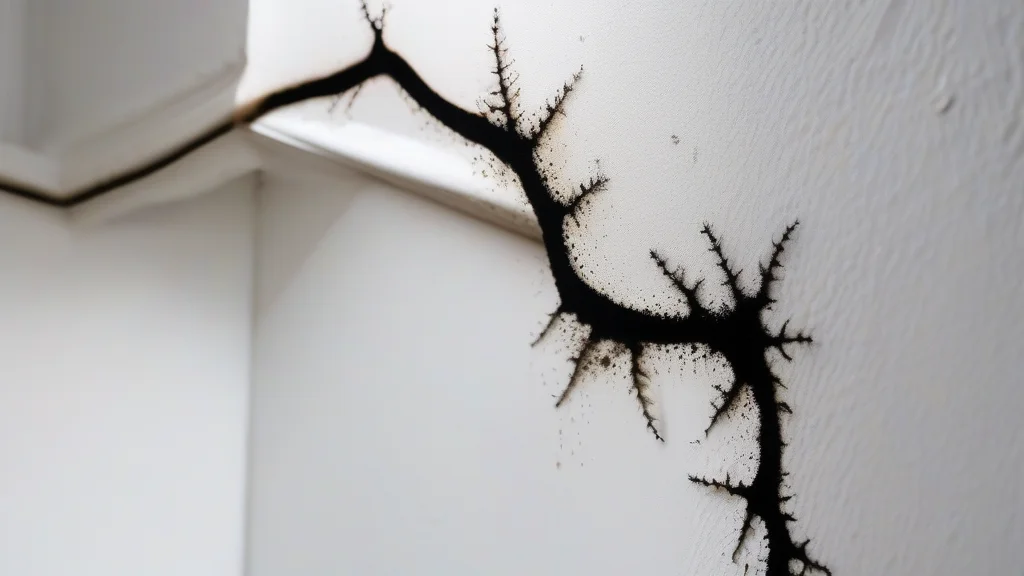
Physical signs in your home are equally compelling reasons. These include a musty, earthy odor that doesn’t go away, visible water stains on ceilings or walls, peeling paint or wallpaper, and any history of water intrusion. This includes past flooding, roof leaks, plumbing failures, or chronic condensation issues. If you’re buying a home, especially an older one or one in a humid climate, pre-purchase mold testing is a wise investment. It’s also essential after any major water damage event, even if cleanup seemed thorough, to ensure hidden moisture hasn’t led to secondary growth.
- Unexplained Health Issues — Chronic coughing, wheezing, itchy eyes, skin rashes, or headaches that are worse at home and improve when away.
- Past Water Damage — Any history of flooding, sewer backups, roof leaks, or burst pipes, even if they were "dried out" years ago.
- Musty Odors — A persistent damp, earthy smell in certain rooms, particularly basements, crawl spaces, or bathrooms.
- Visible Signs — Discoloration, warping, or bubbling on walls, ceilings, or floors. Visible mold growth, of any color.
- Real Estate Transactions — Before buying a home or after discovering issues during a standard inspection.
- Post-Remediation Verification — To confirm that a mold cleanup project was successful and the area is now safe.
If multiple family members experience respiratory or allergic symptoms that clear up when they leave the house, schedule a professional mold testing appointment immediately. Your health is the most important indicator.
How Mold Testing Works: A Look at Common Methods
A professional inspector doesn’t rely on a single method. A thorough assessment uses a combination of techniques to build a complete picture. The process typically starts with a comprehensive visual inspection, where the professional looks for signs of moisture damage, condensation, and visible growth. They use tools like moisture meters to measure the water content in building materials and thermal imaging cameras to find cool spots behind walls where moisture may condense. This initial survey determines where to take samples.
The actual mold testing involves collecting physical samples, which are then sent to an accredited laboratory for analysis. The three primary sampling methods are air sampling, surface sampling, and bulk sampling. Each serves a different purpose. Air sampling is the most common, capturing spores circulating in the indoor air you breathe. It’s compared to an outdoor control sample to see if indoor levels are elevated. Surface sampling (via tape lift or swab) identifies the specific types of mold growing on a particular spot. Bulk sampling involves removing a piece of the affected material, like a section of drywall or insulation, for analysis.
Advantages of Professional Testing
- Accurate Identification — Lab analysis confirms exact mold species (e.g., Stachybotrys "black mold," Aspergillus, Penicillium), which informs health risks and cleanup protocols.
- Quantifiable Data — Provides spore count numbers, allowing you to measure the severity of the problem and track progress after remediation.
- Hidden Problem Detection — Professionals find mold in inaccessible areas you would miss, preventing ongoing exposure.
- Credible Documentation — Creates a formal report useful for insurance claims, real estate disclosures, and legal purposes if needed.
Limitations & Considerations
- Cost Factor — Professional services are an investment, typically ranging from $300 to $600 for a standard home inspection.
- Not a Standalone Solution — Testing only diagnoses the problem; it does not fix it. Remediation is a separate, often more expensive, process.
- Snapshot in Time — Results reflect conditions on the day of testing. Spore levels can fluctuate with weather, HVAC operation, and household activity.
- Interpreter Required — The raw data from a lab report needs expert interpretation to understand its real-world implications for your health and home.
Understanding Air vs. Surface Samples
Your inspector will decide which sampling methods are appropriate. Air sampling is crucial for assessing overall air quality and exposure risk. The inspector uses a pump that pulls a calibrated volume of air over a sticky slide or into a cassette. This captures the invisible spores floating around. The lab then identifies and counts them. Surface sampling, on the other hand, is targeted. If you see a suspicious spot, a tape lift gently collects spores from the surface for identification. This tells you what’s actively growing there. A combination of both methods during your mold testing provides the most comprehensive assessment—showing what’s in the air you breathe and what’s colonizing your surfaces.
Hiring a Mold Inspector: Your 5-Step Checklist
Choosing the right professional is perhaps the most critical step. Not all inspectors have the same qualifications, and some may have conflicts of interest. Your goal is to find a competent, unbiased expert who will give you truthful data, not just sell you a costly remediation job. Start by verifying credentials. Look for certifications from reputable organizations like the American Council for Accredited Certification (ACAC), the Institute of Inspection, Cleaning and Restoration Certification (IICRC), or the National Organization of Remediators and Mold Inspectors (NORMI). These require passing exams and adhering to standards.
- Verify Credentials and Independence
Ensure the inspector is certified by a recognized body (e.g., ACAC, IICRC) and, crucially, is independent from any remediation company. An inspector who also does cleanup has a financial incentive to find a problem. Ask directly: "Do you perform remediation work, or are you testing only?"
- Review Their Proposed Testing Plan
A credible inspector will explain why they are taking samples in specific locations. They should plan to take both indoor and outdoor control samples for comparison. Be wary of anyone who wants to take an excessive number of samples without clear justification—this can inflate costs.
- Ask About Their Laboratory
The samples should be analyzed by an AIHA-LAP, LLC accredited laboratory. This accreditation is the gold standard for environmental labs and ensures the results are reliable and defensible. Ask for the name of the lab they use and verify its accreditation online.
- Get a Detailed, Written Quote
The quote should itemize the cost for the inspection, each sample taken, the lab fees, and the report. The average price for a standard home mold testing service with 3-5 samples is between $300 and $600. Be cautious of quotes that seem too low, as they may cut corners.
- Check References and Reviews
Read recent online reviews on multiple platforms. Ask the inspector for references from past clients, specifically from those who had testing done for health concerns. A reputable professional will have a trail of satisfied customers.
This vetting process might seem involved, but it protects you from scams and subpar work. For homeowners who want to skip this legwork and be connected directly to vetted, local professionals, services like HomeProMatcher streamline the process. They pre-screen inspectors for licenses, insurance, and customer feedback, then match you with a qualified pro in your area with a single inquiry. It eliminates the endless search and guesswork.
Example Certified Mold Inspector
Typical Profile: Holds a CIEC (Council-certified Indoor Environmental Consultant) or CMI (Council-certified Microbial Inspector) certification. Works for an inspection-only firm, uses an AIHA-accredited lab, and provides a comprehensive report with recommendations within 5-7 business days. Average service call starts at $350.
Decoding Your Mold Testing Report: What It All Means
Receiving the lab report can be overwhelming. It’s filled with scientific names, spore counts, and graphs. A good inspector will schedule a consultation to walk you through every page. The report should clearly state the sampling locations, the methods used, and the laboratory results. The most important section is the results summary and interpretation. Here, the inspector explains whether the indoor spore counts are elevated compared to the outdoor control and identifies any toxigenic or allergenic species of concern.
Pay close attention to the specific genera and species identified. Common household molds like Cladosporium and Penicillium are typical allergens. The presence of Stachybotrys chartarum (often called "black mold") or Aspergillus fumigatus requires more urgent attention due to their potential for producing mycotoxins. The report should not just present data; it should offer clear, actionable recommendations. These may range from "no actionable levels detected" to "identify and repair moisture source and clean affected area" to "consult with a remediation specialist for professional cleanup." This document is your evidence and your guide for next steps.
Did You Know?
There are no federal regulatory standards for "acceptable" mold spore levels in indoor air. A professional inspector uses the outdoor sample as a baseline and industry guidelines (like those from the American Conference of Governmental Industrial Hygienists) to interpret indoor levels. Context is everything.
How Much Does Mold Testing Cost? A Realistic Budget Guide
The price of mold testing varies based on your home’s size, location, and the scope of the inspection. On average, homeowners spend between $300 and $600. This typically covers a visual inspection, 3-5 air and/or surface samples, lab fees, and a detailed report. For larger homes (over 4,000 square feet), complex situations, or additional services like ERMI testing or detailed moisture mapping, costs can rise to $800 to $1,200. It’s essential to understand what drives these costs.
Lab fees are a fixed cost, usually $30 to $50 per sample. Each additional sample adds to the total. The inspector’s time and expertise are the other major components. A thorough inspection for a standard 2,000-square-foot home should take 1.5 to 3 hours. While this is an upfront expense, it’s minor compared to the cost of unchecked mold damage or chronic health treatments. Think of it as an investment in diagnosis—you wouldn’t skip an X-ray for a persistent pain to save money. Always get at least two or three written quotes from certified, independent inspectors to ensure you’re getting fair market value for your mold testing service.
What's Included in a Standard Package?
A transparent quote will break down the following elements. The inspection fee covers the professional’s time on-site for the visual assessment and sample collection. The sampling and lab fees are the hard costs for the collection materials and the laboratory’s analytical work. Finally, the reporting fee covers the time to compile, interpret, and present the findings in a formal document. Some inspectors bundle this into one price, while others itemize. Ensure there are no hidden charges for the consultation to review results. A reputable provider will be upfront about all costs before any work begins.
From Testing to Remediation: What Happens After You Get Results
A positive mold testing report means you have a confirmed problem, but it’s not the end of the world—it’s the beginning of the solution. The inspector’s recommendations will guide your path forward. For small, isolated areas (less than 10 square feet), cleanup may be a DIY project if you are not sensitive to mold. This involves fixing the moisture source, containing the area, removing contaminated materials, and HEPA vacuuming and cleaning. For any larger area, or if toxic mold is present, hiring a professional remediation company is non-negotiable.
The remediation process is separate from testing. A good remediation plan will include containment of the work area with plastic sheeting and negative air pressure to prevent spore spread, safe removal of moldy materials, thorough cleaning of all surfaces, and drying the area completely. Crucially, you should hire a different company for the cleanup than the one that did the testing to avoid a conflict of interest. Once remediation is complete, a post-remediation verification (clearance testing) by your original inspector is the final step. This follow-up mold testing confirms that the cleanup was successful and that spore levels have returned to normal, giving you and your family peace of mind.
Never let the same company that performed your initial mold testing do the remediation work. Use your detailed report to get competitive bids from several licensed remediation specialists. Your testing report is your blueprint—it tells them exactly where the problem is and what needs to be addressed.
Frequently Asked Questions
For an average single-family home, the on-site inspection and sample collection typically take between 1.5 and 3 hours. The entire process, from inspection to receiving your final lab report, usually takes 5 to 7 business days. The lab analysis is the time-consuming component, as samples must be cultured and analyzed under a microscope.
Yes, the mold testing process itself is non-invasive and does not require you to leave. The inspector is simply collecting air and surface samples. However, if testing confirms a severe contamination, especially with toxigenic molds, your inspector or doctor may recommend temporarily relocating sensitive individuals (like those with asthma or immune issues) during the remediation phase.
It depends on the source of the mold. If the mold growth is a direct result of a sudden and accidental covered peril—like a burst pipe or storm damage—the testing and subsequent remediation may be covered. However, if the mold is due to long-term neglect, lack of maintenance, or chronic humidity, most standard policies exclude coverage. Always contact your insurance provider with your specific situation.
Mold testing is a specific subset of indoor air quality (IAQ) testing. A full IAQ test might also check for levels of volatile organic compounds (VOCs), formaldehyde, radon, carbon monoxide, and particulate matter. If your primary concern is musty odors or health symptoms associated with mold, a targeted mold inspection is the appropriate and more cost-effective starting point.