Contents
- Understanding the Solar Panel Installation Investment
- Finding the Right Solar Panel Installation Provider
- Sizing Your System and Maximizing Your Roof’s Potential
- Navigating Permits, Financing, and Incentives
- The Solar Panel Installation Process: What to Expect
- Red Flags to Avoid During Your Solar Journey
- Frequently Asked Questions
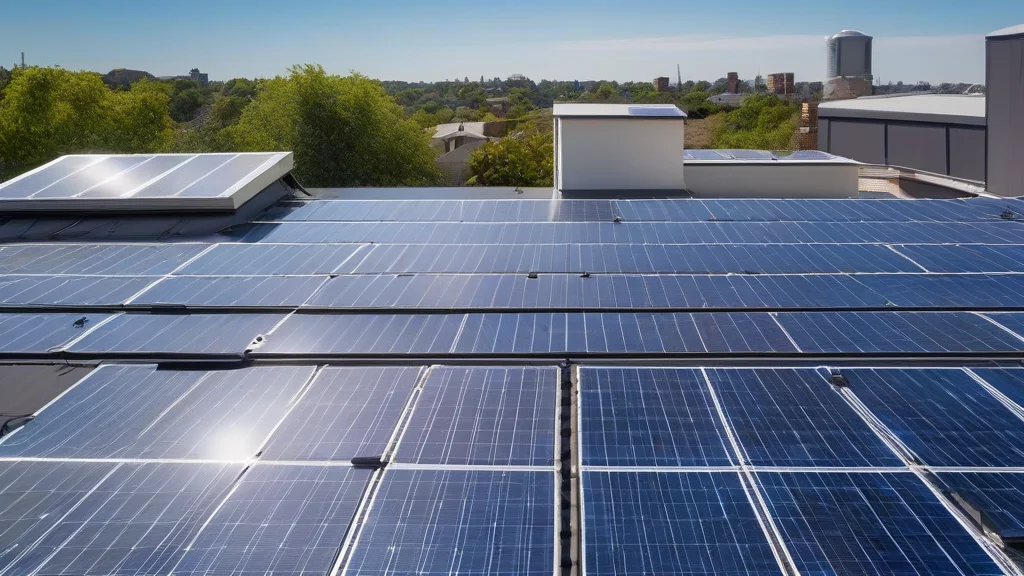
Imagine your home not just consuming electricity, but producing it. Your roof, a passive layer of shingles, transforms into an active power plant, generating clean energy, reducing your bills, and creating a personal buffer against rising utility costs. This is the reality of modern solar panel installation. It’s a shift from viewing your home as an endpoint on the grid to seeing it as a starting point for energy independence. For homeowners and property managers today, a well-planned solar panel installation is less about a trendy upgrade and more about a strategic investment in financial stability and environmental stewardship.
The journey from concept to a fully operational rooftop system can seem complex, filled with technical jargon and sales pitches. But at its core, a successful solar panel installation hinges on three pillars: understanding your home’s unique energy profile, selecting a trustworthy and skilled provider, and navigating the financial landscape effectively. This article will demystify each step, providing you with the actionable frameworks and practical checklists needed to turn your roof into your own power plant.
Understanding the Solar Panel Installation Investment
Before you speak to a single contractor, you must reframe how you view this project. A solar panel installation is not a simple home improvement like a new deck or kitchen remodel. It is a capital investment with measurable returns. The upfront cost is significant, but it’s amortized over decades of energy production. The key metric is your cost per watt, which factors in your total system cost against its total generating capacity. A lower cost per watt means a faster return on investment.
Your total investment is influenced by several interconnected factors. The size of your system, measured in kilowatts (kW), is the primary driver. A larger system costs more upfront but can cover more of your energy usage, accelerating your savings. The quality and efficiency of the panels you choose also play a major role. Premium panels with higher efficiency ratings will generate more power in the same amount of roof space, which can be crucial for smaller roofs. They also typically come with longer and more comprehensive warranties, protecting your investment for 25 years or more.
Beyond the Sticker Price
The quoted price for a solar panel installation should be comprehensive. Ensure it includes all hardware (panels, inverter, racking), labor, permits, interconnection fees, and any necessary electrical upgrades. A surprisingly low bid often excludes these critical items, leading to costly surprises later.
Perhaps the most critical factor, however, is your local climate and, specifically, your roof’s sun exposure. A south-facing roof in Arizona will produce far more energy than a north-facing roof in Washington, even with an identical system. This is why a professional site assessment is non-negotiable. It determines your system’s energy yield, which directly translates to your annual dollar savings. A solar panel installation in a sun-rich area can pay for itself in as little as six years, while the same system in a less optimal location might take closer to twelve.
Finding the Right Solar Panel Installation Provider
Your choice of installer is arguably the single most important decision you will make. The technology is reliable, but a poor solar panel installation can lead to leaks, electrical issues, and subpar energy production. The market is saturated with companies, from large national firms to local electricians adding solar to their services. Your goal is to find a provider with proven expertise, solid credentials, and a commitment to your long-term satisfaction.
Start by verifying their credentials. At a minimum, any company performing a solar panel installation must hold a valid electrical contractor’s license in your state. Many should also hold specific solar certifications, such as those from the North American Board of Certified Energy Practitioners (NABCEP). This certification is a gold standard, indicating advanced training and knowledge. Don’t just take their word for it; look up their license number on your state’s licensing board website.
The quality of your installer matters more than the brand of panels they use. A top-tier installer with mid-grade panels will deliver a better, more reliable outcome than a mediocre installer with premium panels.
Next, scrutinize their track record. Ask for a list of recent local installations and, if possible, request to speak to a few of those homeowners. Online reviews on platforms like Google, the Better Business Bureau, and specialized solar review sites are invaluable. Look for patterns: are there consistent complaints about post-installation service, communication breakdowns, or unexpected fees? A company with a long history in your community is often a safer bet than a new, aggressively marketed outfit.
HomeProMatcher
Navigating the search for a qualified solar installer can be overwhelming. Services like HomeProMatcher simplify the process by connecting homeowners with pre-vetted, licensed local professionals. Instead of endless online searches and form-filling, you can get matched with a provider whose credentials and customer feedback have been preliminarily screened, saving you significant time and reducing risk.
Finally, get everything in writing. A professional proposal for your solar panel installation should be a detailed document, not a one-page quote. It must include:
- System Design — A diagram showing panel placement on your roof.
- Equipment Specifications — Exact make, model, and quantity of panels, inverters, and racking.
- Production Estimate — A projected annual energy output in kilowatt-hours (kWh).
- Warranty Details — Separate warranties for equipment, workmanship, and production.
- Total Cost Breakdown — All line items, including any potential add-ons.
- Payment Schedule — Clear terms tied to project milestones, not large upfront deposits.
Comparing at least three of these detailed proposals is the best way to ensure you’re getting a fair price and a well-thought-out plan.
Sizing Your System and Maximizing Your Roof’s Potential
Sizing your solar array correctly is a balancing act between your energy goals, your budget, and your roof’s physical constraints. The goal is not necessarily to offset 100% of your electricity usage, but to achieve the most cost-effective and valuable solar panel installation for your circumstances. An oversized system costs more than it saves, while an undersized one leaves money-saving potential on the table.
Begin by analyzing your past energy consumption. Gather 12 months of utility bills to understand your annual usage pattern. Look for seasonal spikes (like summer air conditioning or winter heating) that will influence your needs. Most installers will use this data, along with satellite imagery and shading analysis, to model a system that meets a target percentage of your historical use. A common recommendation is to size a system to cover 80-100% of your average annual consumption.
Your roof’s physical characteristics are the next major consideration. The age and condition of your roofing material are paramount. If your roof is within 10-15 years of needing replacement, it is almost always more economical to re-roof before the solar panel installation. Removing and reinstalling panels for a roof repair can cost thousands of dollars. The pitch, orientation, and any shading from trees or chimneys will also impact production. Modern microinverter or power optimizer technology can mitigate shading issues on individual panels, but a clear, unshaded roof plane is ideal.
Consider your future electricity needs. Are you planning to buy an electric vehicle, install a heat pump, or add a home addition? Discuss these plans with your installer. It’s often more cost-effective to slightly oversize your system during the initial solar panel installation than to add panels later.
Navigating Permits, Financing, and Incentives
A professional solar panel installation company will handle the bulk of the paperwork, but understanding the landscape empowers you as a consumer. The process typically involves securing building permits from your local municipality, an electrical permit, and approval from your utility company to connect your system to the grid, known as interconnection.
The financial options are more varied than ever. You can purchase the system outright with cash, which delivers the highest long-term savings and qualifies you for all tax credits and incentives. Solar loans are now widely available, allowing you to finance the system with monthly payments that are often designed to be lower than your current electric bill, creating immediate cash flow positivity. Third-party ownership models, like leases or Power Purchase Agreements (PPAs), require little to no money down but transfer the system ownership and tax benefits to the leasing company, typically resulting in lower total savings over time.
Incentives dramatically reduce your net cost. The federal Investment Tax Credit (ITC) allows you to deduct 26% of your system cost from your federal income taxes for the year of installation. Many states, utilities, and even local governments offer additional rebates or performance-based incentives. Your installer should provide a clear analysis of all available incentives and how they apply to your financing choice.
The Solar Panel Installation Process: What to Expect
Once you’ve signed a contract, the actual solar panel installation unfolds in a series of defined stages. A reputable company will provide you with a timeline and keep you informed at each step. Understanding this process helps manage expectations and identifies any deviations that might signal a problem.
- Engineering and Design Finalization
The installer’s engineering team creates final plans, accounting for all structural and electrical details. These plans are submitted for permits.
- Permitting and Utility Approval
This is often the longest phase, taking anywhere from two to eight weeks. Your installer manages all submissions and follow-ups with the city and utility company.
- Equipment Delivery
All panels, inverters, racking, and electrical components are delivered to your home. Verify that the equipment matches the brands and models specified in your contract.
- Physical Installation
The crew installs the racking system, mounts the panels, and runs all conduit and wiring. This stage usually takes one to three days, depending on system complexity.
- Electrical Work and Inspection
An electrician connects the system to your home’s electrical panel and to the utility meter. A local building inspector then visits to ensure the work meets all code requirements.
- Utility Permission to Operate (PTO)
The final step is for your utility company to install a net meter (if needed) and grant official permission to turn the system on. Only then can you start generating power.
Timeline Realism
From signing a contract to flipping the switch, a typical solar panel installation takes two to four months. Delays most commonly occur during permitting or waiting for utility approvals. A reputable installer builds this buffer into their projected timeline.
Red Flags to Avoid During Your Solar Journey
As with any significant investment, the solar industry has its share of less scrupulous operators. Being aware of common warning signs can protect you from a bad deal or a botched solar panel installation.
Green Flags (Signs of a Good Provider)
- Transparent, Detailed Proposals — No pressure to sign immediately, welcomes questions, provides a clear contract.
- Strong Local Reputation — Many verifiable local references and positive reviews addressing service quality.
- Comprehensive Service — Handles all permits, inspections, and utility paperwork from start to finish.
- Realistic Promises — Provides conservative production estimates, explains payback periods clearly.
Red Flags (Warning Signs)
- High-Pressure Sales Tactics — "Today-only" discounts or claims that incentives are about to disappear.
- Vague or Changing Quotes — The price seems too good to be true, or key details like equipment brands are unspecified.
- Request for Large Upfront Payment — Reputable installers tie payments to project milestones, not a single deposit.
- Lack of Credentials — Unable or unwilling to provide proof of licensing, insurance, or NABCEP certification.
Another major red flag is an installer who discourages you from getting competing quotes. They may claim their price is unbeatable or that their proprietary technology is the only good option. This is almost always a tactic to prevent comparison shopping. A confident, professional company knows their value and expects you to do your due diligence. Furthermore, be wary of any salesperson who cannot clearly explain how net metering works with your specific utility or who guarantees specific dollar savings without a detailed analysis of your energy usage.
"Our solar panel installation was smooth and the crew was professional. The system is producing at or above the estimated 11,500 kWh per year. My only complaint was that it took a few follow-up calls to get the monitoring app fully set up and explained after they finished. Overall, a very positive experience that has cut our summer power bill by over 80%."
Your solar panel installation is the foundation of your home's energy future for the next quarter-century. Taking the time to research providers, understand the technology, and secure proper financing is not just due diligence—it's the key to unlocking the full potential of your rooftop power plant. The shift from consumer to producer is profound, offering not just savings, but a tangible sense of independence and resilience.
Frequently Asked Questions
While the physical installation on your roof often takes just 1-3 days, the entire process from contract signing to receiving Permission to Operate from your utility typically spans 2-4 months. The bulk of this time is spent on engineering design, securing permits, and waiting for utility approvals, which are largely outside the installer's direct control.
Standard grid-tied solar panel installation systems automatically shut off during a blackout for safety reasons, to protect utility workers repairing lines. To have power during an outage, you need a system with battery storage (like a Tesla Powerwall or similar) that can island your home from the grid, or a specially designed inverter with backup functionality.
Solar panels increase your home's value and marketability. Multiple studies, including one from Lawrence Berkeley National Laboratory, show that homes with solar sell for a premium. Be prepared to provide documentation for the new buyer, including system specs, warranty details, and performance history. If you have a solar loan, it must be paid off at closing unless assumable; leases/PPAs typically transfer to the new homeowner with credit approval.
Solar panels require minimal maintenance. In most climates, rainfall is sufficient to keep them clean. In very dusty areas or places with little rain, an occasional cleaning with a hose or soft brush may be beneficial to maximize production. The main maintenance is monitoring your system's output via its app and scheduling an occasional professional inspection of the electrical connections and racking.