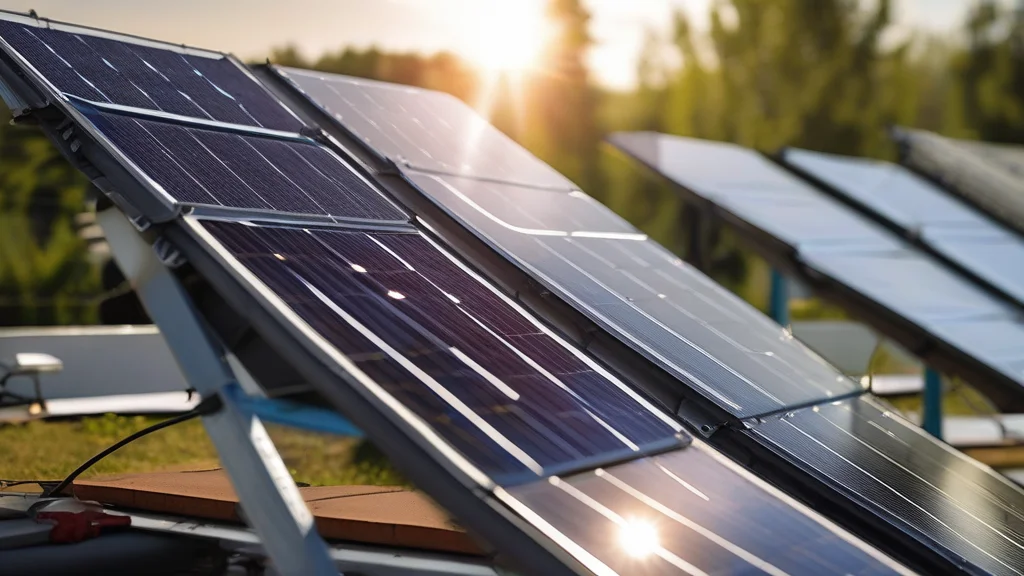
Your rooftop solar panels are a significant investment, designed to pay for themselves over time with clean, affordable energy. When that system falters, the pressure to fix it quickly—and correctly—can make you vulnerable. The urgent need for solar repair is an open door for contractors who may not have your best interests at heart. This article cuts through the noise, revealing the common diagnostic tactics and price inflation strategies used by some in the industry. You’ll learn how to spot the red flags, understand what a fair price actually looks like, and empower yourself to negotiate from a position of knowledge.
Every year, thousands of homeowners face unexpected solar repair bills. Many of these bills are justified, but a disturbing number are inflated by scare tactics, unnecessary part replacements, and complex jargon designed to confuse. We’re here to demystify the process. By understanding the true cost drivers and the hallmarks of a trustworthy technician, you can ensure your solar repair restores your system’s efficiency without draining your wallet.
What Goes Wrong? Diagnosing Common Solar System Issues
Before you can spot a repair scam, you need to know what’s likely to fail. A credible solar repair technician will diagnose from a list of common, well-understood issues. If they immediately jump to a rare, catastrophic, and expensive problem, that’s your first warning sign. Most system failures fall into a few key categories. Understanding these will help you ask intelligent questions and assess whether a technician’s diagnosis passes the sniff test.
The inverter, often called the brain of the system, is the most common point of failure. These units have a finite lifespan, typically 10-15 years. Symptoms include a complete shutdown of production or error codes on the monitoring display. Panel-level issues, like micro-cracks or hot spots, cause gradual performance declines. Wiring and connection problems, often due to weathering or animal damage, can create safety hazards like arcing and require immediate attention. Finally, monitoring system glitches might show zero production on your app while the system actually works fine—a simple software reset could be the fix.
Immediate Red Flag
Be extremely wary of any technician who diagnoses a problem with your solar panels themselves without first thoroughly checking the inverter, wiring, and monitoring connections. Panel failure is relatively rare in the first decade, and replacement is the costliest repair. This is a classic upsell tactic.
How Scammers Inflate Diagnoses
Unscrupulous operators use fear and complexity to justify inflated solar repair quotes. One common tactic is the “system-wide failure” diagnosis. They’ll claim your entire string of panels is compromised or that your inverter has damaged multiple components, necessitating a full system overhaul. Another is the unnecessary premium part upgrade—insisting you need a commercial-grade inverter when a standard model is perfectly adequate. They may also cite phantom code violations, claiming the repair must bring your entire system up to a new, expensive electrical code that doesn’t actually apply to existing installations.
- The Vague "Electrical Hazard" — Using scary but non-specific terms like "fault arc" or "ground leak" to justify a high-priced, immediate repair without providing clear, measurable evidence from diagnostic tools.
- The Obsolete Parts Ploy — Claiming your specific inverter or panel model is no longer made and requires a custom or much more expensive universal replacement, when compatible parts are readily available.
- The Warranty Void Trick — Asserting that any prior repair or an unrelated issue has voided your manufacturer's warranty, forcing you to pay out-of-pocket for what should be a covered repair.
- The Monitoring Misdirection — Blaming a faulty monitoring system for a complete lack of production and charging for a new monitoring setup, when the real issue is a tripped breaker or a simple inverter fault.
The core of an honest solar repair diagnosis is specificity. A legitimate technician can point to a precise error code, a voltage reading, or physical damage. Vague, fear-based claims are the hallmark of a scam.
Understanding Fair Solar Repair Pricing
Transparency is the enemy of overcharging. A fair solar repair quote should be broken down into clear line items: labor, parts, and any potential permits. Labor is typically charged at an hourly rate, which varies dramatically by region. Expect rates between $75 and $150 per hour. The complexity of the repair—like whether it requires roof work or intricate electrical troubleshooting—will impact the total hours billed. Parts should be quoted with a reasonable markup; a 30-50% markup over wholesale is standard for a reputable business covering its overhead and warranty.
Be skeptical of quotes presented as one lump sum with no breakdown. This makes it impossible to see where the costs are generated. Also, watch for excessive "diagnostic fees." While a fee of $100-$200 to cover the initial site visit and assessment is standard, some companies will charge an exorbitant diagnostic fee that they only waive if you proceed with their often-inflated repair. This is a high-pressure tactic. Always ask if the diagnostic fee applies toward the repair cost—ethical companies will almost always credit it.
Signs of a Fair Quote
- Detailed Line Items — Clear separation of labor hours, part numbers, and permit costs.
- Warranty Included — The repair work itself is guaranteed for at least 1-2 years.
- Upfront Pricing — The quote is fixed, not an estimate that can balloon.
- No High-Pressure Sales — You’re given time to review the quote and aren’t threatened with "imminent system failure."
Signs of an Inflated Quote
- Lump-Sum Pricing — One big number with no transparency on cost drivers.
- Mandatory "System Updates" — Adding unrelated upgrades or code compliance work to the repair bill.
- Cash-Only Discount — Pressuring for cash payment to avoid a paper trail.
- Limited-Time Offer — Claiming the price is only good if you sign immediately.
The Art of the Quote: Negotiating Solar Repair Prices
You are not powerless when facing a solar repair estimate. The single most powerful tool in your arsenal is getting multiple quotes. This isn’t just about finding the lowest price; it’s about comparing diagnoses. If one company says you need a $4,000 panel replacement and two others diagnose a $600 inverter fix, you have a clear red flag. Present the lower, more specific quotes to the higher bidder and ask them to justify their diagnosis. Often, they will back down or match the price.
When reviewing quotes, question every line item. Ask what specific part number is being proposed and request to see the manufacturer’s suggested retail price (MSRP). Inquire about the labor hours: "What specific tasks will take 6 hours of labor?" A legitimate technician can walk you through the step-by-step process. Challenge unnecessary costs, like a "site safety fee" or "fuel surcharge" that should be baked into the hourly rate. Remember, the goal is value, not just the lowest price. The cheapest quote can sometimes be a "low-ball" tactic where hidden costs appear later, or corners are cut.
- Secure Three Detailed Quotes
Contact at least three licensed solar contractors. Provide each with the same information—monitoring data, error codes, and what you’ve observed. A platform like HomeProMatcher can streamline this by connecting you with multiple pre-vetted local pros from one simple inquiry, saving you the headache of endless cold calls.
- Compare Diagnoses, Not Just Dollars
Lay the quotes side-by-side. Do they agree on the core problem? If not, the discrepancy is your biggest point of leverage. Use the consensus diagnosis as your baseline for a fair solar repair.
- Ask for Clarification & Justification
Call the most expensive bidder. Politely say, "Your diagnosis differs from others I've received. Can you explain the technical reason for the panel replacement you're recommending?" Force them to provide evidence.
- Negotiate from a Position of Knowledge
Say, "I have a quote for $X that addresses the inverter issue. Can you match this scope of work and price?" Most reputable companies would rather adjust a quote than lose the job entirely.
HomeProMatcher
A service that simplifies the search for home professionals. Homeowners describe their solar repair need, and the platform matches them with up to three licensed, insured, and pre-screened local solar technicians. This eliminates the risk of finding contractors through unvetted online ads or door-to-door solicitors. It’s designed to provide competitive quotes quickly, giving you the leverage of multiple bids without the legwork.
Finding a Trustworthy Solar Repair Pro
The foundation of a positive solar repair experience is the professional you hire. Credentials are non-negotiable. They must hold a current state electrical license or a specific solar contractor license. Ask for the license number and verify it online with your state’s licensing board. Insurance is equally critical: they need both liability insurance (to cover damage to your property) and workers' compensation (to cover injuries on your job). Never allow an uninsured technician on your roof—you could be held liable for a catastrophic accident.
Reviews and references are your window into their work ethic. Look for patterns in reviews. Do multiple people praise their clear communication and fair pricing? Or are there complaints about unexpected fees and poor follow-up? Ask the company directly for references from solar repair jobs completed in the last six months. A reputable company will provide them. Call those references and ask specific questions: Was the final price the same as the quote? Was the site left clean? Did they explain the repair clearly?
Your Verification Checklist
Before hiring anyone, confirm: 1) A valid state electrical/solar license, 2) Proof of general liability and workers' comp insurance, 3) A physical business address (not just a P.O. box), 4) Manufacturer certifications (e.g., from your inverter brand like SolarEdge or Enphase), and 5) A clear, written contract before any work begins.
The Contract: Your Legal Shield
A proper contract is your best defense against a botched or overpriced solar repair. It must detail everything: the exact scope of work, the make and model of all replacement parts, the total price, the payment schedule, the start and completion dates, and the warranty terms for both parts and labor. Be wary of contracts that allow for "additional costs as needed" or that have a large upfront deposit requirement. A deposit of 10-30% is standard, with the balance due upon satisfactory completion. Never pay in full upfront.
| Contract Element | What to Look For | Red Flag |
|---|---|---|
| Scope of Work | Extremely detailed, lists each part by serial/model #. | Vague phrases like "repair solar system." |
| Payment Schedule | Deposit, progress payment(s), final payment upon completion. | 100% payment demanded before work starts. |
| Warranty | Separate warranties for labor (1-2 yrs) and parts (manufacturer's term). | No written warranty or a "30-day" labor warranty. |
| Change Orders | Process for approving extra work, must be in writing. | Verbal authorizations for cost overruns are acceptable. |
Seasonal Wisdom & Proactive Care
The best solar repair is the one you never need. Proactive, seasonal maintenance can identify small issues before they become expensive failures. Spring is the ideal time for a post-winter check. Have a technician inspect for physical damage from ice or wind, clean the panels for optimal summer production, and tighten any loose electrical connections. Fall preparation involves ensuring mounting hardware is secure before storm season and checking for debris accumulation.
You are also the first line of defense. Regularly monitor your system’s output through its app or monitoring portal. A sudden, sustained drop of 10% or more from historical averages is a cause for investigation, not panic. Often, it’s something simple like shading from a growing tree or dirt buildup. Know how to safely visually inspect your system from the ground: look for cracked glass, discolored panels, or visible corrosion on the inverter. This basic awareness allows you to describe problems accurately when you do call for a solar repair, making you a less likely target for scammers.
Document everything. Keep a file with your original installation paperwork, warranty documents, and every maintenance or repair invoice. This history proves your system has been professionally serviced and can be invaluable for warranty claims or if you sell your home.
Frequently Asked Questions
Frequently Asked Questions
The most obvious sign is a complete stop in production shown on your monitoring system. More subtle signs include a gradual but persistent decline in your daily or monthly kWh output compared to the same period last year, or visible physical damage to panels or wiring. Always rule out simple issues first: check your main electrical panel for a tripped solar breaker and ensure your monitoring system is online and communicating properly.
This is a common situation. Focus on finding a technician certified by the manufacturer of your key components (like Enphase, SolarEdge, or Tesla). These certifications mean they have direct access to technical support, software, and genuine parts. You can often find certified installers on the manufacturer's website. Alternatively, using a matching service like HomeProMatcher can connect you with local pros who list their specific manufacturer certifications.
Typically, no. Homeowner's insurance covers sudden, accidental damage (like a tree limb crashing through panels), not wear-and-tear or mechanical failure. Your system's original equipment warranties are your primary coverage. The inverter and panels have separate warranties (often 10-25 years). The quality of your solar repair workmanship should be covered by the contractor's own labor warranty.
Unsolicited contact. A legitimate, busy solar repair company does not need to go door-to-door or make cold calls. The vast majority of scams begin with someone showing up uninvited, offering a "free inspection," and then suddenly finding a dire, expensive problem. Always initiate contact with contractors you have sought out and vetted yourself.
Absolutely not for any electrical work. Working on a solar system involves high-voltage DC electricity, which is extremely dangerous and can be lethal. Even a small mistake can cause a fire or permanent damage to expensive components. Your role is monitoring, basic visual checks from the ground, and clearing debris. All diagnostic and repair work should be performed by a licensed and insured professional.