- What is Mold Remediation?
- Source 1: Your HVAC System
- Source 2: Behind Kitchen Appliances
- Source 3: Inside Wall Cavities
- Source 4: Window Sills & Frames
- Source 5: The Attic & Roof Leaks
- Choosing a Mold Remediation Pro
- The Cost of Professional Remediation
- When to Call a Professional
- Frequently Asked Questions
You likely know the obvious places to check for mold: the grimy shower caulk, the dank basement corner, under a leaky sink. But what about the hidden colonies silently multiplying inside your walls or through your home's air system? The most dangerous mold remediation problems are the ones you don't see. This article focuses on identifying and remediating overlooked household mold sources that often go unchecked until they become a major—and expensive—health hazard. We'll guide you through the five most common hidden sources, explain what true mold remediation entails, and provide a practical framework for hiring the right professional to solve the problem safely and effectively.
Ignoring these hidden sources isn't just about aesthetics or a musty smell. Mold exposure can trigger allergic reactions, asthma attacks, and other respiratory issues. For some, it can lead to more serious health complications. The goal of professional mold remediation is not just to clean a surface, but to identify the moisture source, contain the spread, remove contaminated materials, and restore the area to a safe, dry condition. Understanding where to look is the first critical step in protecting your home and your family's well-being.
What is Mold Remediation?
Before we dive into the hidden sources, it's essential to define the process. Mold remediation is a specialized service that goes far beyond wiping down a wall with bleach. It's a systematic process of identifying, containing, removing, and preventing mold growth in a building. A qualified professional doesn't just treat the symptom—the visible mold—but diagnoses and fixes the underlying cause, which is always excess moisture. The process typically involves containment with physical barriers and negative air pressure to prevent spores from spreading, the safe removal of porous materials like drywall or insulation that can't be cleaned, HEPA vacuuming and air scrubbing, and finally, treating remaining surfaces with antimicrobial agents.
This is distinct from mold removal, which implies complete eradication—an impossible goal since mold spores are naturally present everywhere in the environment. The objective of mold remediation is to return mold levels to a normal, natural background level that is safe for occupants. The scope of work can vary dramatically, from a small, contained area behind a refrigerator to a massive undertaking involving entire attic spaces and ductwork. The complexity and cost hinge entirely on the extent of the infestation and the accessibility of the source.
True mold remediation addresses the root moisture problem, contains the spread to protect your home, and removes contaminated materials—it is not a surface cleaning job.
Source 1: Your HVAC System
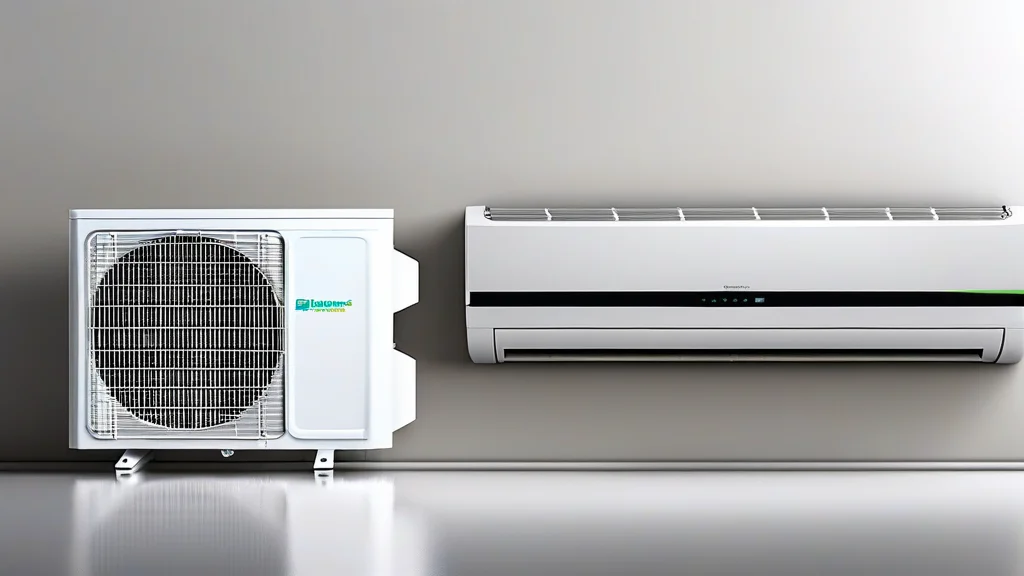
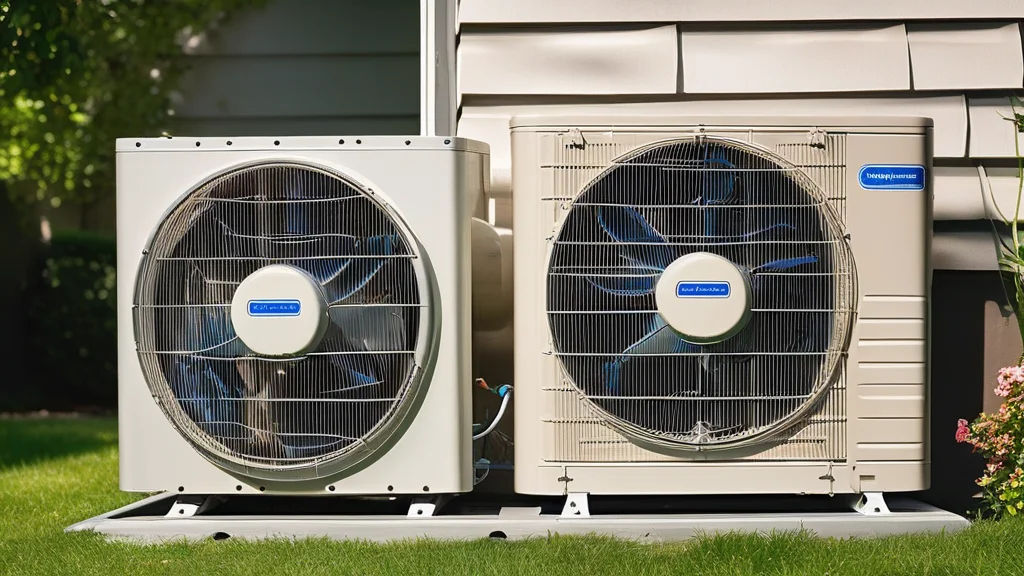
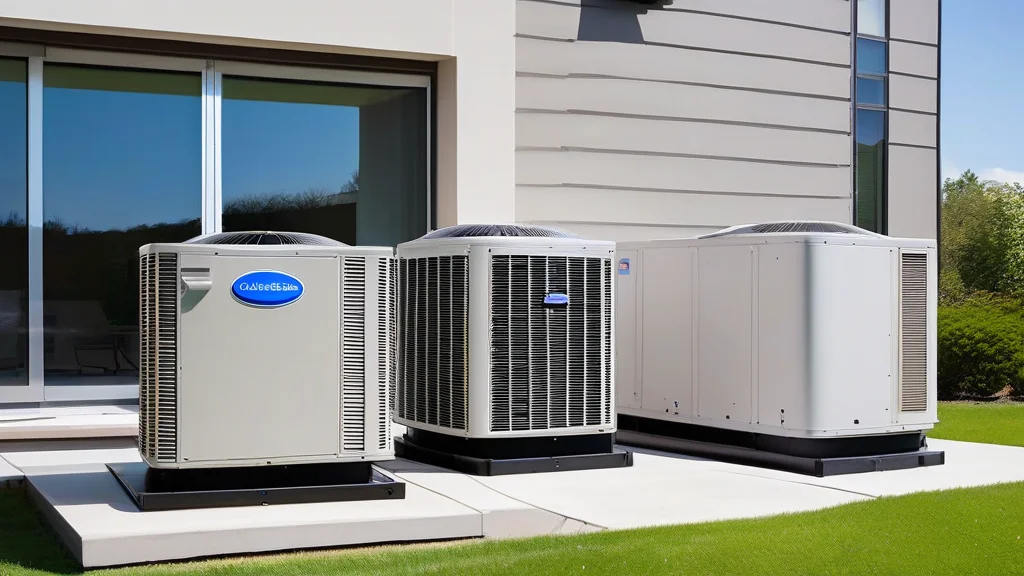
Your heating, ventilation, and air conditioning system is the lungs of your home, circulating air through every room. Unfortunately, it can also become the perfect vector for distributing mold spores throughout your entire living space. The dark, often damp interior of ductwork, the condensation on cooling coils, and the moisture in drip pans create an ideal breeding ground. When the system kicks on, it can blast a concentrated cloud of spores into the air you breathe.
Signs of HVAC Mold
You might notice a persistent musty odor when the air conditioner or furnace runs, more than usual allergy symptoms among household members, or visible discoloration around vents or on the coils themselves if you inspect the unit. A key indicator is if symptoms improve when you leave the house for an extended period. Because this system is interconnected, mold remediation here requires a specialized approach. Simply spraying disinfectant into a vent is ineffective and can make the problem worse by dispersing spores.
Important
Never attempt to clean mold from inside your HVAC ducts yourself. Inadequate cleaning can dislodge massive spore colonies into your living space. This is a job for a pro with proper containment equipment and HEPA vacuum systems designed for ductwork.
Professional mold remediation for HVAC systems involves sealing off the system, using powerful truck-mounted or portable HEPA vacuum collection to remove debris and spores from the ducts, and professionally cleaning the coils, drip pans, and plenums. They will also identify and correct the moisture issue—whether it's a clogged condensate drain line, inadequate insulation on cold ducts, or high humidity in the mechanical room.
Source 2: Behind Kitchen Appliances
The space behind your refrigerator, dishwasher, and stove is a classic blind spot. These areas are dark, poorly ventilated, and often subject to moisture from condenser coils, minor leaks, or steam. A slow, undetected drip from an ice maker line or a dishwasher hose can feed a significant mold colony for months or even years. The first you may know of it is a foul smell or an increase in kitchen pests attracted to the damp environment.
Regular inspection is your best defense. At least twice a year, make a point to pull these appliances carefully away from the wall. Look for discoloration on the wall or floor, feel for dampness, and check the condition of water supply lines. If you find a small, spotty area of surface mold on a non-porous surface like tile or sealed flooring, you may be able to clean it yourself with appropriate protective gear and cleaner. However, if the drywall or subflooring is stained, soft, or crumbling, the material is likely compromised and requires professional removal as part of a proper mold remediation protocol.
When pulling out appliances to check for mold, wear an N95 mask and gloves. If you see more than a few square inches of growth or any damage to building materials, stop and call a professional for assessment. Disturbing it can trigger a major spore release.
Source 3: Inside Wall Cavities
This is perhaps the most insidious hidden source. Mold growing inside your walls can proliferate extensively before giving any obvious external sign. The moisture source could be a tiny plumbing leak inside the wall, condensation from a cold pipe, a past roof leak that was repaired without addressing the interior damage, or even moisture wicking up from a faulty foundation. The wall cavity provides cellulose (in the form of wood studs and paper-backed drywall) and darkness—all mold needs is that hidden moisture source.
How to Detect Hidden Wall Mold
You need to become a detective for your own home. Telltale clues include:
- Persistent musty odors — A localized earthy smell in one room that doesn't go away, especially if it's near a bathroom, kitchen, or exterior wall.
- Warping or bubbling — Paint or wallpaper that is peeling, bubbling, or discoloring for no apparent reason.
- Physical symptoms — Unexplained health issues that seem worse in a particular room or area of the home.
- Past water damage — Any history of a leak, flood, or even high humidity in that space, even if it was "dried out" years ago.
Confirming wall cavity mold usually requires professional tools like moisture meters, borescopes (small cameras fed through a hole), or thermal imaging. A full-scale mold remediation job for wall cavities involves cutting out and removing the affected drywall, inspecting and treating the framing, addressing the moisture source, and rebuilding. Containment is absolutely critical here to prevent cross-contamination to the rest of the house during demolition.
Did You Know?
Drywall is highly porous. Once mold roots (hyphae) penetrate the paper backing and gypsum, the material cannot be effectively cleaned and must be removed. Surface treatment alone will fail, and the mold will return.
Source 4: Window Sills & Frames
Windows are a major thermal bridge and condensation point. Even modern, energy-efficient windows can develop condensation on the interior glass and frame during certain weather conditions, especially if indoor humidity is high. This constant dampness, often hidden behind blinds or curtains, soaks into the wood or drywall around the window, leading to mold growth. Older, drafty windows are even more prone to this issue, as they allow more cold air to contact the interior surface.
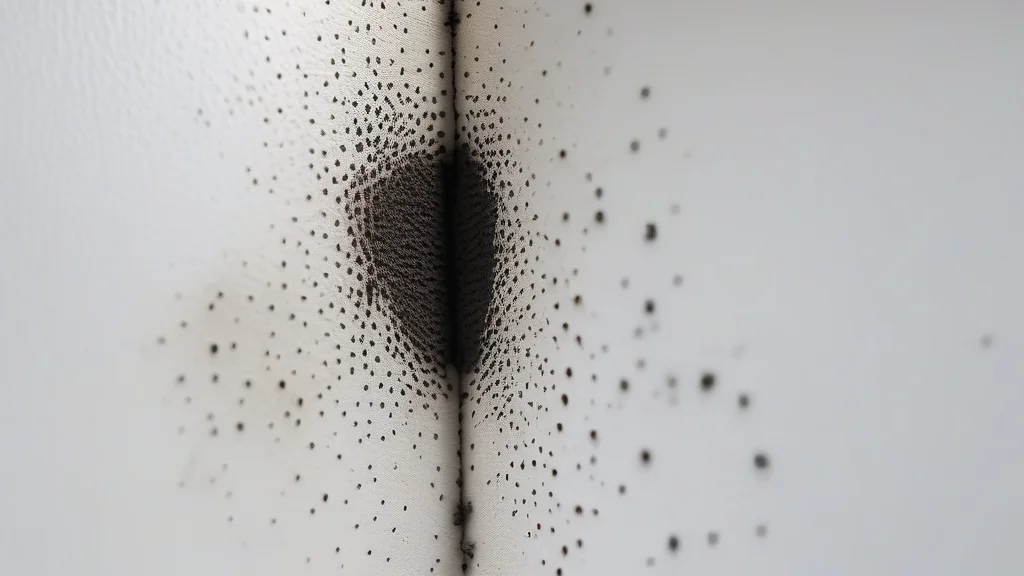
The mold here often appears as black speckling or a fuzzy growth on the sill, in the tracks of sliding windows, or in the corners of the frame. Regular cleaning with a vinegar or hydrogen peroxide solution can manage minor surface growth, but it's a temporary fix if the condensation problem isn't solved. True mold remediation in this case involves not just cleaning but also investigating the cause: Is the interior humidity too high? Is the window itself failing and needing replacement? Improving ventilation with exhaust fans, using a dehumidifier, or upgrading to windows with better thermal performance may be necessary long-term solutions to prevent recurrence.
Source 5: The Attic & Roof Leaks
The attic is a forgotten zone in many homes, yet it's extremely vulnerable. Small roof leaks from damaged shingles, compromised flashing around chimneys or vents, or ice damming in winter can introduce water that soaks the attic insulation and sheathing. Because attics are often poorly ventilated and visited infrequently, this mold can grow unchecked across large areas. Furthermore, warm, moist air from the living space below can rise and condense on the cold attic sheathing, creating a perfect environment for growth even without a direct leak.
Signs of attic mold include dark staining on the underside of the roof sheathing or rafters, a strong musty smell when accessing the attic, and damp or degraded insulation. Mold remediation in an attic is a major project due to the scale and the hazard of working in a confined, poorly ventilated space. It requires removing contaminated insulation, treating or replacing wood sheathing, and crucially, fixing the roof leak and ensuring proper attic ventilation to prevent future problems. This is never a DIY job.
Choosing a Mold Remediation Pro
Once you've identified a potential hidden mold problem that requires professional attention, selecting the right company is the most important decision you'll make. The quality of the mold remediation directly impacts your health, your home's structural integrity, and your wallet. You need a provider who follows established industry standards, not a general handyman or carpet cleaner who "also does mold."
What to Look For
- Proper Certification — Look for certifications from IICRC (Institute of Inspection, Cleaning and Restoration Certification) in mold remediation, or similar reputable bodies.
- Detailed Inspection & Plan — They should provide a written assessment, moisture mapping, and a clear scope of work before any contract.
- Insurance & Licensing — Verify they carry general liability and workers' compensation insurance and are licensed for mold work in your state if required.
- References & Reviews — Ask for and check references for past jobs similar to yours. Read verified online reviews carefully.
Red Flags to Avoid
- Guarantees "Mold Removal" — No one can remove all mold spores; beware of this unrealistic promise.
- Uses "Fogging" or "Spraying" Only — If their solution doesn't include physical removal of contaminated materials, it's not remediation.
- High-Pressure Sales & Scare Tactics — Legitimate pros educate; scam artists panic you into an immediate, overpriced contract.
- No Written Contract — Never proceed without a detailed contract outlining costs, process, containment methods, and cleanup verification.
A great way to streamline this vetting process is to use a trusted matching service like HomeProMatcher.com. Instead of endless online searches and cold calls, you can get connected to local, pre-screened mold remediation specialists who have been vetted for credentials, insurance, and customer feedback. It takes the guesswork and legwork out of finding a qualified pro, ensuring you start your search with reliable options.
- Get 3 Detailed Quotes
Contact at least three certified remediation companies for a full, on-site inspection and written quote. The quotes should be itemized and comparable in scope. A price that's dramatically lower than others often means corners will be cut.
- Ask the Right Questions
Inquire about their containment procedures (plastic sheeting, negative air machines), their plan for waste disposal, how they will verify the area is clean post-remediation (often via third-party testing), and what warranty or guarantee they offer on their work.
- Check the Paperwork
Before signing, verify their insurance certificates and licenses. Read the contract thoroughly, ensuring it includes the full scope, timeline, payment schedule, and cleanup verification method.
The Cost of Professional Remediation
The price for professional mold remediation is highly variable and depends on several key factors: the square footage affected, the location and accessibility of the mold, the type of materials contaminated, and the local labor rates. It's not a service where you can easily compare flat rates. Most reputable companies charge based on the time and materials required for the specific project outlined in their scope of work.
| Project Scope | Average Cost Range | Key Factors |
|---|---|---|
| Small, Localized Area | $500 - $1,500 | Behind an appliance, under a sink, small attic section. Limited containment needed. |
| Medium-Sized Room | $1,500 - $3,500 | One bathroom or bedroom affected by a leak. Involves drywall removal and containment. |
| Large-Scale Infestation | $3,500 - $10,000+ | Whole basement, entire attic, or whole-house from a major flood. Major demolition and rebuild. |
| HVAC Duct Cleaning | $300 - $1,000+ | Depends on duct length, accessibility, and severity of contamination. |
Homeowners insurance may cover mold remediation costs, but only if the mold resulted from a "covered peril" like a sudden, accidental plumbing burst or storm damage. Mold resulting from long-term neglect, lack of maintenance, or chronic humidity is typically excluded. Always contact your insurance agent immediately if you suspect mold from a sudden leak to understand your coverage and the claims process.
What users say
Homeowners report saving significant research time and feeling confident starting with vetted, local professionals instead of sifting through unknown companies.
Why we recommend this
For a complex, health-critical service like mold remediation, starting with pre-vetted professionals eliminates the risk of hiring an unqualified contractor. HomeProMatcher handles the credential verification so you can focus on comparing quality and scope from reputable companies.
- Connects you to local, licensed pros quickly
- Pre-screening filters out uninsured companies
- Simplifies the initial search process dramatically
- You still need to get multiple quotes from the matches
- Service availability varies by region
When to Call a Professional
Not every spot of mold requires a full-scale, expensive mold remediation intervention. Use this practical framework to decide when it's time to pick up the phone. If the affected area is less than 10 square feet (roughly a 3ft by 3ft patch), the surface is non-porous (like tile, glass, or metal), and you are confident in identifying and fixing the moisture source, you can likely handle it yourself with proper precautions. However, you should always call a professional if any of the following apply:
- The area exceeds 10 square feet — This is the general guideline from the EPA for DIY cleaning.
- Mold is in the HVAC system — Specialized equipment and containment are non-negotiable.
- You suspect hidden mold — Behind walls, under floors, or in attics based on smell or symptoms.
- There has been sewage or flood water — This is Category 3 "black water" and poses severe health risks.
- Occupants have health vulnerabilities — If anyone has asthma, immune deficiencies, or severe allergies.
- The mold returns after cleaning — This signals an unresolved moisture problem.
Acting quickly when you discover a hidden mold source can save you thousands of dollars and protect your health. A small, contained mold remediation job is far more manageable than one that has spread through your ventilation system or structural cavities. Your first call should be to a qualified inspector or remediator for an assessment, not to your toolbox.
Frequently Asked Questions
Bleach is ineffective on porous surfaces like drywall and wood because it doesn't penetrate to kill the roots. It can also release harmful fumes and is not recommended by most mold remediation professionals. For non-porous surfaces, a solution of detergent and water, vinegar, or hydrogen peroxide is often more effective and safer.
For a typical room-sized project, expect the active remediation (containment, removal, cleaning) to take 1-3 days. Drying time for structural materials after the moisture fix can add another 2-5 days. Larger, complex jobs can take a week or more. The timeline should be outlined in your contractor's proposal.
For visible mold, the EPA states that testing is usually unnecessary—you already know you have a problem that needs fixing. Spend your money on the mold remediation itself, not on identifying the species. Testing can be useful in specific cases, like confirming clearance after remediation or if you have symptoms but no visible mold source.
Professional mold remediation includes identifying and correcting the moisture source. If that step is completed successfully, the mold should not return. If it does, it indicates either a new moisture problem or that the initial remediation was incomplete. A reputable company will often offer a warranty period for their work.
"Mold removal" is a misnomer; it's impossible to remove all mold spores from an environment. Mold remediation is the accurate term: it's the process of bringing mold levels back to safe, natural levels through containment, source removal, cleaning, and moisture control. Be wary of any company that promises total removal.