- What Is Smoke Damage Restoration? It’s More Than Just a Smell
- The Invisible Health Hazards: Why DIY Isn't an Option
- The Professional Smoke Damage Restoration Process, Step-by-Step
- How to Hire the Right Smoke Damage Restoration Company
- What Does Smoke Damage Restoration Cost? Key Pricing Factors
- Why Timing Matters: The Critical Window for Effective Restoration
The fire is out and the trucks have left, but the real danger often remains hidden in the walls, furniture, and air you breathe. Effective smoke damage restoration is not a cosmetic clean-up; it is a critical health and safety procedure to reclaim your home from toxic residues. Many homeowners mistakenly believe that airing out a room and wiping down surfaces is sufficient, but this approach can leave behind corrosive and carcinogenic compounds. Understanding the true scope of professional smoke damage restoration is the first step in protecting your family's long-term well-being and your property's structural integrity.
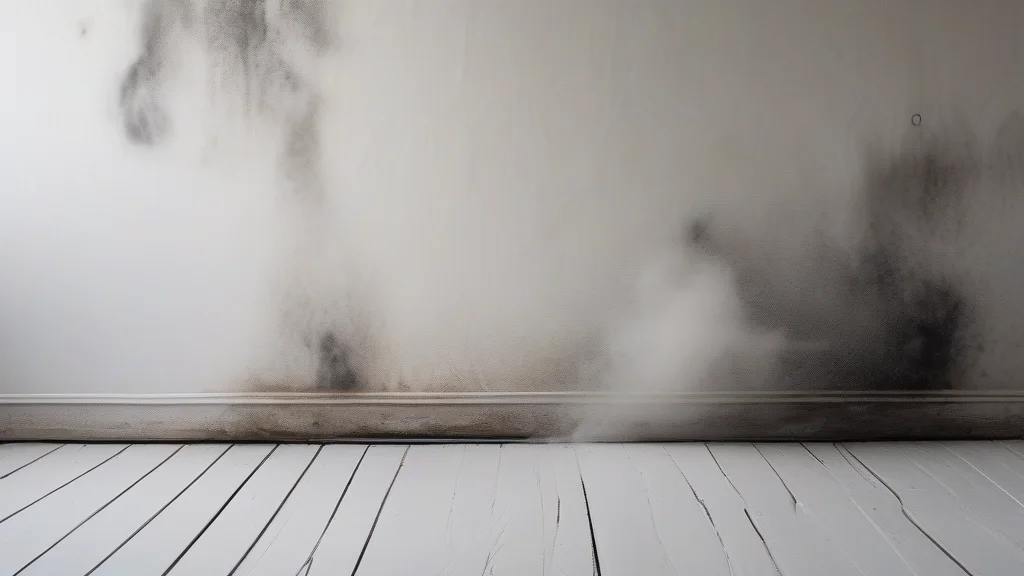
Smoke is a complex cocktail of gases, aerosols, and solid particles that penetrates every crevice. It doesn't simply settle on surfaces you can see; it embeds itself into drywall, insulation, ductwork, and even the pores of wood. The lingering odor is just the most obvious symptom of a much deeper contamination. Without a comprehensive smoke damage restoration protocol, these residues continue to off-gas harmful chemicals and cause progressive damage. This article will guide you through the hidden hazards, the professional remediation process, and exactly how to find a qualified team to do the job right.
What Is Smoke Damage Restoration? It’s More Than Just a Smell
Smoke damage restoration is a systematic, multi-stage process performed by certified professionals to remove hazardous residues, deodorize, and restore a property to a pre-loss condition. It goes far beyond masking odors with air fresheners. The goal is complete contaminant removal and neutralization, addressing both visible soot and invisible gaseous compounds. A proper restoration project treats the entire affected environment as a contaminated zone, using industrial-grade equipment and EPA-approved techniques.
The nature of the smoke itself dictates the restoration approach. Wet smoke from a low-heat, smoldering fire is sticky, thick, and particularly challenging to clean. Dry smoke from a fast-burning, high-temperature fire is powdery and can spread more easily through ventilation systems. Protein smoke from burning food leaves a nearly invisible, greasy film with an intensely pungent odor. Each type requires specific chemical agents and cleaning methods, which is why a one-size-fits-all cleaning solution from a store shelf is utterly ineffective. True smoke damage restoration begins with identifying the smoke type.
Important
Never attempt to wash smoke-damaged walls or ceilings yourself. Water can cause soot to become an insoluble, permanent stain, dramatically increasing restoration difficulty and cost. Always wait for a professional assessment.
The process is anchored in the IICRC (Institute of Inspection, Cleaning and Restoration Certification) S500 standard, which is the industry benchmark. This standard outlines the science of removing smoke residues and defines the levels of cleanliness required for health and safety. Professional restorers don't just clean; they verify their work through testing, ensuring that harmful particulates and volatile organic compounds (VOCs) are reduced to safe levels. This scientific verification is what separates professional smoke damage restoration from a basic cleaning service.
Professional smoke damage restoration is a science-backed decontamination process, not a simple cleaning. It requires specific techniques for different smoke types and must be verified to meet health standards.
The Invisible Health Hazards: Why DIY Isn't an Option
The urge to start cleaning immediately after a fire is understandable, but it can exacerbate health risks. Soot is an acidic and corrosive substance that contains a mix of carbon, tar, and chemicals from everything that burned—plastics, synthetics, woods, and fabrics. These particles are microscopic, often less than 2.5 microns in size, meaning they can bypass your respiratory defenses and enter deep into your lungs and bloodstream.
The most significant long-term threats are the volatile organic compounds (VOCs) that continue to off-gas from smoke residues. These include known carcinogens like benzene, formaldehyde, and acrolein. Even after visible soot is wiped away, these gases can persist for months, leading to chronic exposure. Symptoms of this exposure are often misattributed to stress or allergies and include:
- Persistent respiratory issues — coughing, wheezing, shortness of breath, and aggravated asthma.
- Skin and eye irritation — rashes, itching, and burning, watery eyes from surface contact.
- Neurological effects — headaches, dizziness, and fatigue from inhaling toxic compounds.
- Long-term cancer risk — from prolonged exposure to carcinogenic particles and gases.
Furthermore, acidic soot residues cause progressive secondary damage. They etch glass, tarnish metals, yellow plastics and paints, and degrade upholstery fibers. A painting contractor will refuse to repaint over soot-contaminated walls, as the acidity will bleed through and ruin the new finish within weeks. This makes professional smoke damage restoration a prerequisite for any successful repair or rebuild, protecting both your health and your financial investment in the property.
Professional Restoration
- Health Protection — Removes carcinogenic VOCs and particulates to safe levels.
- Property Preservation — Prevents permanent etching, discoloration, and corrosion.
- Insurance Compliance — Work is documented and meets carrier standards for reimbursement.
- Odor Elimination — Uses hydroxyl generators, ozone, or thermal fogging to destroy odor molecules.
DIY Cleaning Attempts
- Health Risk — Disturbs and aerosolizes toxic particles without proper containment.
- Permanent Damage — Incorrect cleaning can set stains and spread contamination.
- Voided Warranty/Insurance — May invalidate future claims or manufacturer warranties.
- Superficial Results — Masks odor temporarily while hidden contamination persists.
The Science of Soot and VOCs
To understand why professional intervention is non-negotiable, you must grasp the chemistry at play. Soot particles are electrically charged, causing them to cling aggressively to surfaces, especially plastics and synthetics. Standard household cleaners often contain ammonia or other bases that can react with the acidic soot, creating toxic gases or locking the stain in place. Professionals use specifically formulated chemical sponges (dry cleaning sponges) to lift soot without driving it deeper, followed by pH-balanced cleaning solutions that neutralize acidity.
For VOCs, surface cleaning is insufficient. These gases are embedded in porous materials like drywall, wood, and insulation. Effective smoke damage restoration requires advanced air scrubbing with HEPA filtration and gas-phase filtration (like carbon filters) to capture these airborne toxins, followed by sealing of structural materials if necessary. This level of contaminant control is impossible to achieve with store-bought equipment.
The Professional Smoke Damage Restoration Process, Step-by-Step
A reputable company follows a meticulous, standardized process. Knowing these steps will help you vet potential providers and understand the scope of work you're paying for.
- Emergency Contact and Inspection
The process begins with a detailed assessment. A certified technician will determine the extent of damage, classify the smoke type, and test porosity of materials. They create a detailed scope of work and preliminary estimate, which is crucial for your insurance claim. This inspection should be thorough and documented with photos.
- Immediate Board-Up and Tarping (if needed)
To secure the property and prevent further damage from weather or unauthorized entry, the crew will board up broken windows and doors and tarp damaged roofs. This is often the first physical action taken.
- Water Removal and Drying (if firefighting was involved)
Since most fires are fought with water, addressing water damage is a concurrent priority. Industrial extractors, air movers, and dehumidifiers are used to prevent mold growth, which can compound the disaster.
- Soot Removal from All Surfaces
Using dry cleaning sponges, specialized vacuums with HEPA filters, and ultrasonic cleaning for contents, technicians meticulously remove soot from ceilings, walls, floors, and belongings. Different surfaces require different techniques to avoid damage.
- Cleaning and Sanitizing
All restorable items and structures are cleaned with appropriate antimicrobial and deodorizing agents. This includes cleaning ductwork, blinds, lighting fixtures, and other often-overlooked areas. Contents may be packed out and cleaned off-site at a dedicated facility.
- Deodorization
This critical step neutralizes odor molecules, not masks them. Techniques include thermal fogging, which recreates the heat of the fire to penetrate materials with deodorant, or ozone/hydroxyl generators that break down odor molecules at a chemical level.
- Restoration and Verification
The final step is restoring your home to its pre-fire condition. This may involve minor repairs like painting and replacing drywall or major reconstructions. A final walk-through and air quality test should verify the environment is safe and odor-free, completing the smoke damage restoration cycle.
Did You Know?
Many professional restoration companies offer content cleaning services. They can inventory, pack out, clean, deodorize, and store your belongings—from furniture to clothing to electronics—at their secure facility, protecting them from further damage during structural work.
How to Hire the Right Smoke Damage Restoration Company
Choosing the wrong company can lead to incomplete remediation, denied insurance claims, and ongoing health risks. You need a partner, not just a vendor. Here is a practical framework for making this critical decision.
Start by verifying non-negotiable credentials. The company must be fully licensed and insured in your state, with both general liability and workers' compensation coverage. Crucially, look for technicians certified by the IICRC in specific categories like Fire and Smoke Damage Restoration (FSRT) and Odor Control (OCT). This certification ensures they are trained to the industry's highest standards. Ask for proof; don't just take their word for it.
Next, scrutinize their process and transparency. A trustworthy provider will offer a detailed, written estimate that breaks down labor, materials, and equipment costs. They should explain their proposed methods and be willing to walk you through the scope of work. Be wary of anyone who gives a vague quote over the phone without seeing the damage. You should also ask about their communication protocol—who will be your point of contact, and how often will they provide updates?
What to Look For in a Pro
A top-tier smoke damage restoration provider will have 24/7 emergency response, direct insurance billing experience, IICRC certifications, and a portfolio of completed jobs. They should provide a clear contract, a detailed scope of work, and guarantee their labor. Avoid companies that pressure you to sign immediately or ask for full payment upfront.
Finally, check their reputation independently. Read reviews on multiple platforms (Google, BBB, Trustpilot) and pay attention to how they handle complaints. Ask for references from recent jobs similar to yours. A red flag is a company that only has perfect, generic five-star reviews. Real companies have a mix of feedback, and their response to criticism is telling. Remember, the cheapest estimate is often the most expensive choice in the long run if it means cutting corners on health and safety.
Get at least three detailed, in-person estimates. Compare the scope of work line by line, not just the bottom-line price. A higher quote may include critical steps (like duct cleaning or air scrubbing) that a lower bid omits, which could cost you thousands later.
What Does Smoke Damage Restoration Cost? Key Pricing Factors
The cost of smoke damage restoration is highly variable, ranging from $3,000 for a single room to $35,000 or more for a whole-house disaster. It is not a service where you can find a flat rate. Understanding what drives the price empowers you to interpret estimates and ensure you're comparing apples to apples.
The primary cost driver is the square footage and severity of contamination. A small, contained kitchen fire will cost significantly less than a smoldering electrical fire that filled an entire home with wet smoke. The type of smoke matters immensely—sticky wet smoke is more labor-intensive to remove than dry smoke. The duration of exposure also plays a role; soot that has sat for weeks bonds more permanently to surfaces.
Contents restoration is another major line item. Cleaning, deodorizing, and storing belongings off-site adds up but is often more economical than replacement. The cost of demolition and reconstruction—replacing drywall, insulation, flooring, and cabinetry—is typically the largest portion of a major claim and is separate from the cleaning fee. Always ask what is included in the "restoration" portion of an estimate.
| Cost Factor | Low-End Impact | High-End Impact | Notes |
|---|---|---|---|
| Smoke Type & Penetration | Minor, surface-level dry smoke | Deep, greasy wet smoke in porous materials | Wet smoke can double cleaning time and complexity. |
| Area Size & Affected Rooms | One room (e.g., kitchen) | Entire multi-story home | Costs scale with sq. footage and number of structural cavities affected. |
| Contents Involvement | Few items, easily cleaned | Full pack-out of furniture, clothing, electronics | Content cleaning is billed separately and can be a significant cost. |
| Required Repairs | Sealing and repainting | Full drywall, insulation, and flooring replacement | Often the largest cost segment, handled by reconstruction crews. |
Most homeowners' insurance policies cover smoke damage restoration under the dwelling and personal property portions of the policy. A reputable restoration company will work directly with your insurance adjuster, providing documentation and detailed line-item estimates to support your claim. This "direct billing" or "managed repair" program can simplify the process for you. Never hire a company that suggests you commit insurance fraud or inflate the claim.
Why Timing Matters: The Critical Window for Effective Restoration
Time is the enemy after a fire. Within hours, soot begins to cause permanent damage. It stains porous materials, etches glass, and corrodes metals. Within days, the acidic residues can degrade plastics and cause yellowing that is impossible to reverse. The longer you wait, the more items shift from "restorable" to "replaceable," dramatically increasing costs.
From a health perspective, immediate action is even more critical. The continuous off-gassing of VOCs means your family is breathing contaminated air every minute restoration is delayed. A professional crew can set up containment barriers and air scrubbers within hours of arrival, creating a safer environment and stopping the spread of contamination to unaffected areas of the home. This rapid response is a hallmark of a quality smoke damage restoration service.
Furthermore, insurance companies expect policyholders to take reasonable steps to mitigate further damage—a concept known as duty to mitigate. Delaying professional remediation could give your insurer grounds to deny portions of your claim related to secondary damage. Calling a certified restoration company immediately after the fire department clears the scene protects both your health and your financial recovery.
Great News
Many top-rated restoration companies offer 24/7 emergency response. You don't have to wait for business hours. A rapid initial assessment and mitigation (like tarping and board-up) can be started immediately, stabilizing the situation and starting the clock on your recovery.
Seasonal and Logistical Considerations
While you should never delay, be aware that timing can affect logistics. The demand for smoke damage restoration services often spikes after regional wildfires or during holiday seasons when cooking fires are more common. This high demand can delay scheduling. If you have flexibility, scheduling the reconstruction phase during a contractor's off-peak season (often late fall or winter in many regions) might result in better availability and potentially more favorable pricing for rebuild work, though the initial cleanup should never be postponed.
Frequently Asked Questions
In the vast majority of cases, yes. Standard HO-3 policies cover sudden and accidental damage from fire and smoke. The restoration costs for both the structure and your personal property are typically covered, minus your deductible. It is crucial to document everything, keep all receipts, and work with a restoration company experienced in insurance claims.
The timeline varies dramatically. A small, contained job may take 3-5 days. A whole-house restoration involving significant structural repair can take several weeks to a few months. The cleaning and deodorization phase itself usually takes 1-2 weeks. Your project manager should provide a detailed timeline after the initial assessment.
For minor, isolated incidents, it may be possible to seal off the work area and remain. For significant smoke damage, it is strongly advised to relocate. The process involves toxic chemicals, loud equipment, and significant disruption. Furthermore, air quality during aggressive cleaning is not safe for vulnerable individuals like children, the elderly, or those with respiratory conditions.
A restoration company specializes in the mitigation, cleaning, and decontamination process following a disaster like fire or water damage. They are experts in the science of removing hazards. A general contractor handles the rebuilding—drywall, painting, flooring, etc. Many full-service restoration firms have both certified mitigation teams and licensed general contractors on staff, offering a seamless turnkey solution.
In a stressful situation, vetting multiple companies is overwhelming. A service like HomeProMatcher simplifies this. Instead of endless searches and cold calls, you describe your project, and they match you with pre-screened, licensed, and insured local smoke damage restoration pros who are ready to respond. It’s a single point of contact that connects you to vetted expertise, saving critical time when it matters most.