Your home’s plumbing has a voice. The sudden bang when you turn off a faucet, the persistent gurgle from a drain, the high-pitched whistle from a wall—these are not just random noises. They are urgent messages. Learning to interpret this plumbing soundtrack is your first line of defense against minor annoyances becoming catastrophic, costly disasters. Understanding these sounds allows you to accurately describe the issue to a professional, ensuring you get the right pipe repair solution quickly and efficiently. This diagnostic guide will translate common pipe sounds into actionable insights, helping you identify the problem and make an informed decision when it’s time to hire a pipe repair specialist.
Ignoring these auditory warnings is a gamble no homeowner should take. A small leak behind a wall can silently cause $10,000 in structural damage before you ever see a water stain. A banging pipe can signal pressure issues that strain your entire system, leading to premature appliance failure. By becoming fluent in the language of your pipes, you move from reactive panic to proactive maintenance. You’ll know when a problem is a simple DIY fix and when it demands the immediate attention of a licensed professional for a comprehensive pipe repair.
The Symphony of Household Pipes
Think of your plumbing system as a complex musical instrument. Water flowing at different pressures, through pipes of various materials and diameters, past valves and joints, creates a baseline hum of normal operation. Problems arise when the harmony breaks down, introducing distinct, often jarring, new notes. These sounds are caused by physical phenomena: water hammer from sudden pressure changes, cavitation from vapor bubbles collapsing, or friction from mineral buildup and corrosion. Each sound pattern points to a specific underlying issue, from loose mounting straps to severe blockages.
The material of your pipes also plays a starring role in this symphony. Older galvanized steel pipes are notorious for corrosion that narrows the interior diameter, creating a tell-tale whistling or screaming sound as water forces its way through. Modern copper pipes can transmit knocking sounds clearly throughout your home. PEX and PVC pipes are quieter but can still bang if not properly secured. Recognizing the context—where the sound originates, when it happens, and what your pipes are made of—is the critical first step in any diagnostic process before a pipe repair is scheduled.
Did You Know?
Most plumbing noises are symptoms, not the disease itself. The sound is the effect; finding and fixing the physical cause is the goal of a proper pipe repair. A professional doesn’t just silence the noise—they solve the condition creating it.
Identifying the Culprit: A Diagnostic Guide
Let’s decode the most common sounds your pipes make. This diagnostic guide helps you match what you hear with the likely problem, its severity, and the recommended course of action. Accurate diagnosis prevents you from paying for an unnecessary pipe repair or, worse, overlooking a critical one.
Banging or Hammering
This is the classic "water hammer." You hear a loud, single BANG when you quickly shut off a faucet or washing machine valve. The sound is caused by a shock wave. Moving water has momentum, and when its path is suddenly blocked, that energy slams into valves and pipe joints. While startling, a one-off hammer might just need an air chamber adjustment. However, consistent hammering indicates failing air chambers or, more seriously, excessively high water pressure (above 80 psi). This constant stress can fatigue pipes and connections, leading to leaks and joint failures.
Persistent water hammer isn't just noisy—it's physically damaging your plumbing system. Installing a water hammer arrestor is a standard pipe repair solution that protects your entire home from pressure shock damage.
Gurgling or Glugging
Gurgling sounds typically come from drains, toilets, or even vent pipes on the roof. This noise signals a drainage or ventilation problem. As water tries to drain, it struggles to displace air, creating those distinctive glugging bubbles. A gurgling toilet when a nearby sink drains points to a partial blockage in a shared branch line. Gurgling from multiple fixtures suggests a clogged main sewer line or a blocked vent stack on your roof. This is a priority issue, as sewer line blockages can lead to backups into your home.
Possible Causes of Gurgling
- Partial Drain Clog — Hair, grease, or debris restricting flow in a single fixture.
- Vent Stack Blockage — Leaves, bird nests, or ice preventing proper air intake on the roof.
- Main Line Issue — Tree root intrusion or collapsed pipe segment deep in your yard.
Immediate Risks
- Sewage Backup — Wastewater reversing into showers or floor drains.
- Slow Drainage — All sinks and tubs draining sluggishly.
- Vent Gas Entry — Sewer gases entering the home through drain traps.
Whistling or Screaming
A high-pitched whistle or screech, often when a specific faucet is turned on, usually indicates a faulty or misaligned washer in the valve. The sound is created by water forcing its way through a tiny, constricted opening. In older homes with galvanized pipes, a system-wide whistle often means severe interior corrosion has narrowed the pipe's diameter. This restriction increases pressure and friction, creating the noise while drastically reducing your water flow. This type of pipe repair often involves pipe replacement, not just a valve fix.
Ticking or Tapping
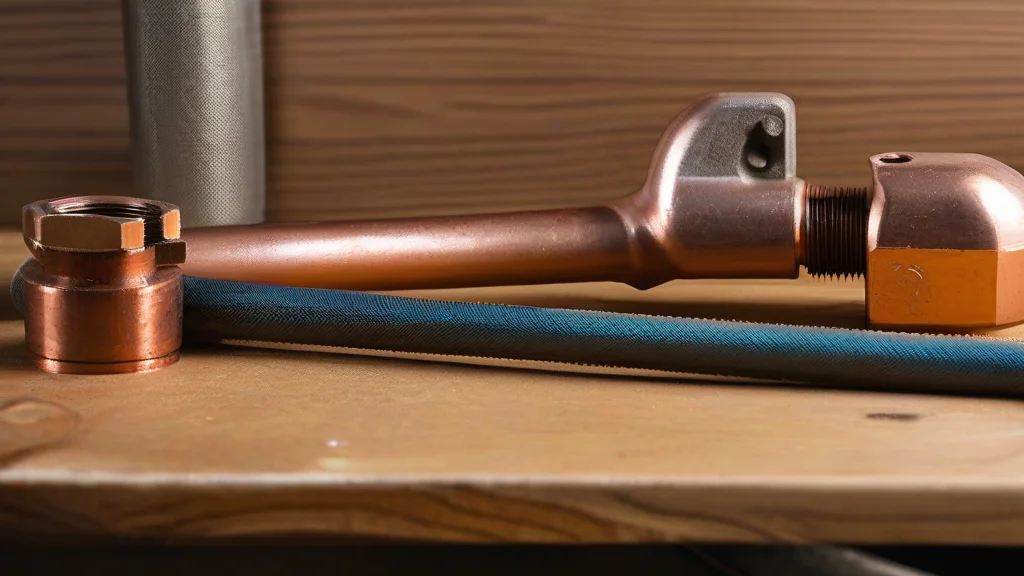
A metallic ticking sound, frequently heard when hot water runs through copper pipes, is usually a thermal expansion issue. As hot water heats the pipe, the metal expands and may tap against wooden framing, wall studs, or loose mounting straps. While often harmless, it points to poor installation where pipes aren't allowed room to move. Persistent tapping at a joint could signal a loose connection that may eventually weep. A professional can secure the pipes with proper, cushioned hangers—a simple but effective preventive pipe repair.
The Costs of Silence: Why Prompt Action Matters
Procrastination is the most expensive approach to plumbing. What begins as a $150 service call for a noisy valve can spiral into a $5,000 emergency pipe repair if a weakened joint bursts and floods a finished basement. The financial math is stark. Water damage remediation costs an average of $3,000 per incident, and that’s before addressing the source of the leak. Mold remediation adds thousands more. Insurance may cover sudden, accidental discharges, but they often deny claims for damage resulting from "long-term seepage or leakage"—the kind caused by ignoring warning sounds for months.
Beyond direct damage, inefficiency costs you every month. A leaking toilet flapper can waste 200 gallons of water per day. Restrictive, corroded pipes force your water heater to work harder, spiking energy bills. A timely pipe repair is an investment in your home’s efficiency and structural integrity. It preserves your property value and prevents the stress and disruption of an emergency. Scheduling a diagnostic visit at the first sign of trouble is always cheaper than calling for an emergency fix at 2 a.m. on a holiday weekend.
Important
If you hear a loud, sudden bang followed by the sound of running water inside a wall, shut off your home's main water valve immediately. This is a pipe burst emergency. Then call a professional for emergency pipe repair. Every minute counts to limit water damage.
Choosing the Right Pipe Repair Pro
Not all plumbers are created equal, especially when it comes to diagnostic pipe repair. The professional you hire must be both a skilled technician and a good detective. Start by verifying state and local licensing—this is non-negotiable. A license ensures they have passed exams, carry adequate insurance, and work to a code standard. Ask for proof of both liability insurance and worker's compensation. This protects you if something goes wrong during the pipe repair on your property.
Always get at least three detailed, written estimates. A reputable pro will provide a line-item breakdown, not just a bottom-line number. Be wary of estimates given over the phone without an inspection; accurate diagnosis of a noise-related issue requires being on-site. Ask about warranties on both parts and labor. A company that warranties its work for one year or more stands behind its craftsmanship. Check online reviews, but read them critically. Look for patterns: are they praised for communication and cleanliness, or criticized for unexpected cost overruns?
- Verify Credentials & Insurance
Ask for license numbers and proof of insurance before any work begins. You can usually verify a plumbing license online through your state's licensing board website.
- Get Detailed Written Estimates
Insist on a written scope of work that specifies the problem, the proposed pipe repair method, materials to be used, and a firm price. Avoid open-ended "time and materials" agreements.
- Ask About the Diagnostic Process
A good pro will explain how they pinpoint the issue. Do they use pipe inspection cameras? Pressure gauges? Their diagnostic approach reveals their expertise.
- Check References & Reviews
Ask for 2-3 references from jobs in the last year similar to yours. Read recent online reviews across multiple platforms to gauge consistency.
Platforms like HomeProMatcher simplify this vetting process. Instead of endless searching and cold-calling, you can get matched with local, pre-screened professionals who are licensed, insured, and reviewed. It connects you directly to a vetted provider for your specific pipe repair need, saving you the time and anxiety of finding a trustworthy pro on your own.
Reliable Rooter & Pipe Repair
A local family-owned business specializing in diagnostic pipe issues and non-invasive trenchless repairs. Known for thorough explanations, upfront pricing, and a 2-year warranty on all repair work. They offer free camera inspections for sewer line diagnosis.
What to Expect During a Professional Pipe Repair
Knowing what happens during a professional pipe repair demystifies the process and sets clear expectations. The visit should start with a consultation where you describe the sounds you’ve heard, when they occur, and their location. The plumber will then perform their own investigation, which may involve running water, checking pressure, listening with a stethoscope-like tool, or using a fiber-optic inspection camera for drain lines. A reputable professional will show you what they find, whether it’s a video of a clogged pipe or a photo of a corroded fitting.
They will then present your options. For a water hammer issue, this might be installing arrestors. For a drain blockage, it could be hydro-jetting versus snaking. For a corroded pipe, they may discuss spot repair versus section replacement. Modern pipe repair often uses trenchless technology like pipe lining or bursting for sewer lines, which minimizes landscape destruction. Once you approve a plan, they should protect your work area with drop cloths, complete the repair, test the system thoroughly, clean up, and walk you through what was done. You should receive documentation of the work and warranty information.
Before work starts, confirm the daily start/end times and where the crew will access water and power. Move any fragile items from the work area. A clear workspace helps the pipe repair team work efficiently and safely.
| Repair Type | Typical Timeframe | Key Advantage | Consideration |
|---|---|---|---|
| Fixture Valve Replacement | 1-2 hours | Quick, inexpensive, solves localized noise | May not fix system-wide pressure issues |
| Water Hammer Arrestor Install | 2-4 hours | Permanent system protection | Requires access to main supply lines |
| Drain Line Hydro-Jetting | 3-5 hours | Thoroughly cleans pipe walls | Not suitable for severely damaged pipes |
| Trenchless Sewer Lining | 1-2 days | No major excavation, long-lasting | Higher upfront cost than traditional dig |
Frequently Asked Questions
Not always, but it's always a warning. Persistent banging (water hammer) and gurgling from multiple drains should be addressed within days to prevent damage. Any sound accompanied by a visible leak or loss of water pressure requires immediate attention for a pipe repair.
Some issues, like a rattling pipe you can access in a basement, can be silenced by securing it with cushioned straps. However, most sounds originate inside walls or indicate systemic problems like high pressure or blockages. DIY attempts can worsen the issue, making the eventual professional pipe repair more complex and costly.
Start with licensed and insured professionals. Get multiple written estimates. Ask about their diagnostic process and warranties. For a streamlined approach, services like HomeProMatcher connect you with pre-vetted local pros, handling the initial credential verification so you can focus on choosing the best fit for your specific pipe repair job.
It depends on the repair and material. A properly installed copper solder joint can last 50+ years. A PVC slip-fit repair should last the life of the pipe. Epoxy pipe liners often come with 10-50 year warranties. The key is the quality of the installation, which is why hiring a skilled professional is crucial for a lasting pipe repair.