You installed a solar array to harness clean energy and slash your power bill, but the sun’s silent saboteur is already at work. Bird droppings, pollen, salt spray, and other environmental contaminants are stealthily degrading your system's performance right now. Proper solar maintenance is the only defense against this invisible attack, yet most homeowners neglect it until their energy production noticeably drops. This isn't about dramatic failures; it's about the gradual erosion of your investment's return.
While panels are built to withstand weather, they are not immune to the cumulative buildup of specific pollutants that block sunlight and corrode components. The efficiency loss can be as high as 25% before you even notice a problem on your monthly statement. This article will reveal the specific environmental factors degrading your system, detail the precise maintenance needed to combat them, and provide a practical framework for hiring the right professionals to protect your solar asset.
What's Really Attacking Your Solar Panels?
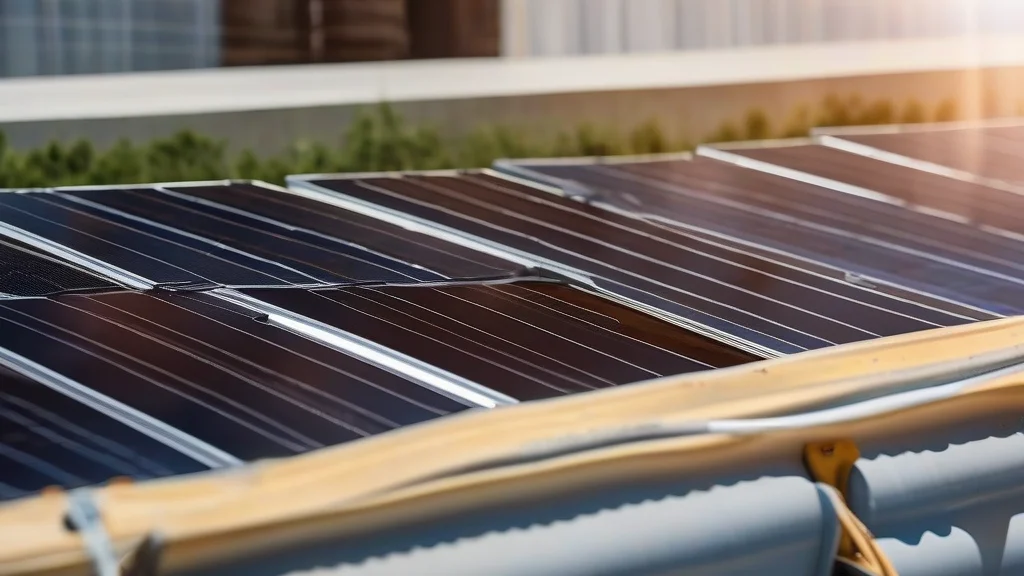
Solar panels face a constant, silent assault from their environment. It's not just dust; it's a cocktail of region-specific contaminants that adhere to the glass and frame, creating a film that scatters and absorbs sunlight. In coastal areas, salt spray is a primary culprit. The fine salt crystals settle on panels and, when mixed with moisture, create a corrosive brine that can etch glass over time and accelerate metal frame corrosion. This doesn't just block light; it physically damages the surface.
In suburban and agricultural zones, pollen and agricultural dust pose a unique challenge. Pollen is sticky and resinous, forming a tenacious layer that regular rain often cannot wash away. Combined with dust, it creates a grimy coating that significantly reduces light transmission. Similarly, bird droppings are not merely unsightly; they are highly concentrated and acidic. A single dropping can create a localized "hot spot" under the glass, where the shaded cell heats up dramatically while surrounding cells are cool, stressing the panel and potentially leading to long-term micro-cracks.
Important
Never use abrasive cleaners, high-pressure water jets, or harsh chemicals like bleach on your panels. These can scratch the anti-reflective coating, damage seals, and void your warranty. Professional solar maintenance technicians use specialized, non-abrasive tools and solutions.
Urban environments bring a mix of industrial particulates and soot. These fine carbon-based particles create a dark, light-absorbing film. Tree sap and leaf debris, common in wooded areas, are another concern. Sap is particularly damaging as it bonds to the glass and can attract more dirt, creating a permanent stain if not cleaned promptly. The impact is cumulative and location-dependent. A system in Phoenix might battle dust storms, while one in Seattle faces moss and algae growth from constant moisture.
- Salt Spray & Corrosion — Primarily attacks metal frames and connections, leading to grounding issues and reduced structural integrity.
- Pollen & Agricultural Dust — Creates a persistent, sticky film that reduces light transmission by 10-15% seasonally.
- Bird Droppings & Acidic Stains — Cause localized heating and potential cell damage, leading to permanent efficiency loss in affected spots.
- Industrial Soot & Particulates — Forms a light-absorbing layer that is difficult to remove with rainwater alone.
- Tree Sap & Organic Debris — Bonds to glass, attracting further dirt and potentially encouraging biological growth like moss.
Understanding these specific attackers is the first step in crafting an effective defense. Your solar maintenance plan should be tailored to your local environment, not a generic checklist.
Why Routine Solar Maintenance Matters More Than You Think
The financial argument for regular solar maintenance is straightforward: lost efficiency equals lost money. If your $20,000 system loses 20% of its output due to neglected cleaning and inspection, you're essentially forfeiting $4,000 of your investment's value annually in missed energy production. But the risks go deeper than just a dip in your monthly savings.
Poor maintenance can directly void manufacturer warranties. Most panel warranties require that the system be kept in good working order and serviced according to guidelines. If a failure occurs and the provider finds evidence of long-term neglect—like corrosion from unchecked salt buildup or damage from improper cleaning—they may deny the claim. Furthermore, many homeowner's insurance policies have clauses regarding proper upkeep of major home assets. A lack of documented solar maintenance could complicate claims after a storm or other event.
Regular professional solar maintenance preserves your system's efficiency, protects your investment's financial return, and safeguards your equipment warranties and insurance coverage. It is not an optional cost; it is a necessary ROI protection strategy.
Beyond finances, safety is paramount. Solar systems involve high-voltage DC electricity. Corroded connectors, degraded wiring insulation, or loose mounting hardware pose real risks of electrical fire or system failure. A professional inspection includes checking electrical connections, grounding, and structural mounts—elements a homeowner cannot safely evaluate. This proactive approach prevents minor issues from escalating into major, dangerous failures.
Finally, consistent maintenance extends the operational life of your entire system. Panels are designed to last 25-30 years, but inverters, connectors, and mounting hardware have shorter lifespans. Regular care identifies wear on these components early, allowing for cost-effective replacements before they cause cascading problems. This approach maximizes the lifespan of your entire investment, not just the panels themselves.
Finding a Qualified Solar Maintenance Professional
Hiring the right professional for your solar maintenance is critical. This is a specialized field requiring knowledge of electrical systems, structural mounting, and panel technology. A general handyman or window cleaner lacks the specific training and insurance to do this job safely and effectively. Your selection process must be rigorous.
First, verify licensing and insurance. The technician or company should hold a current Electrical Contractor's License or a specialty solar license, depending on your state's regulations. They must also carry general liability insurance and workers' compensation coverage. This protects you if an accident occurs on your property. Ask for proof; don't just take their word for it.
Always get at least three detailed quotes for any solar maintenance service. Compare not just the price, but the scope of work, included inspections, warranty on the service, and the credentials of the technicians assigned. This comparison reveals true value and prevents you from overpaying for an incomplete service.
Second, seek specific experience. Ask how many solar systems they service annually and if they have experience with your specific brand of panels or inverter. Manufacturers often have unique requirements. Check for certifications from organizations like the North American Board of Certified Energy Practitioners (NABCEP), which is a gold standard in the industry. Review their online presence and customer feedback. Look for patterns in reviews: are they praised for thoroughness and communication, or criticized for missed issues?
Watch Out
Be wary of companies that offer "too good to be true" pricing, refuse to provide a written scope of work, or pressure you into a long-term service contract without a preliminary inspection. These are red flags for low-quality work or scam operations.
To streamline this vetting process and connect with pre-screened local professionals, consider using a matching service like HomeProMatcher. Such platforms verify licenses, insurance, and reviews before connecting you, saving you the hours of research and risk of hiring an unqualified provider. One call can connect you to a vetted expert, eliminating the endless search.
Questions to Ask Before You Hire
When interviewing potential solar maintenance providers, your questions should probe their methodology and accountability. A quality provider will have clear, detailed answers.
- What is your full inspection protocol?
They should list specific checks: visual panel inspection, electrical connection torque testing, inverter performance data analysis, mounting hardware integrity check, and a review of system monitoring data. A vague answer like "we look at everything" is insufficient.
- What cleaning methods and products do you use?
Listen for specifics: deionized water systems, soft microfiber tools, non-abrasive biodegradable cleaners. They should explain how they protect panel coatings and avoid electrical shock risks.
- Do you provide a detailed report and performance benchmark?
The service should culminate in a written report comparing current output to expected output, noting any deficiencies, and providing a clear action plan. This document is vital for warranty claims and tracking system health.
- What is your service warranty or guarantee?
If they cause damage during cleaning or miss a critical fault during inspection, how do they rectify it? A reputable company will offer a 90-day guarantee on their work.
After gathering quotes and answers, make your decision based on the comprehensive value offered, not just the lowest price. The right professional partnership for your solar maintenance will pay dividends for decades.
Understanding Solar Maintenance Costs and True Value
The cost of professional solar maintenance varies widely based on system size, location, and service depth. You should expect a range, but understanding what drives that range helps you assess quotes intelligently.
A basic cleaning and visual inspection for a typical residential system (5-10 kilowatts) might cost between $300 and $500. This usually includes removal of surface debris and a check for obvious physical damage. However, this level of service often misses the electrical and mechanical details. A comprehensive service, including detailed electrical testing, connection checks, inverter performance analysis, and a full cleaning, typically ranges from $600 to $1,200. This is the service that truly protects your investment.
Several factors influence the price. System accessibility is a major one. A ground-mounted array is easier and cheaper to service than a steep, high-roof installation. Local contamination levels also matter. A system in a high-pollen or coastal area may require more intensive cleaning techniques, increasing the cost. The provider's expertise level and overhead (insurance, certified staff) also command a higher, justified price. A cheap quote often means cutting corners on safety, detail, or warranty.
Key Service Elements
A top-tier solar maintenance provider delivers a detailed post-service report with photos, performance data comparisons, and a clear maintenance schedule. They explain findings clearly and offer prioritized repair recommendations.
Why this matters
Investing in a comprehensive service from a credentialed pro prevents costly future repairs, ensures warranty compliance, and maximizes your system's financial return. The upfront cost is an investment in long-term security.
- Prevents major efficiency drops and costly repairs
- Provides documentation for warranty & insurance
- Ensures electrical and structural safety
- Higher upfront cost than basic cleaning
- Requires scheduling and planning
To budget effectively, think of solar maintenance as a necessary operating cost, similar to HVAC servicing. Allocate for a comprehensive service every 3-5 years, with potential lighter cleaning in intervening years if your environment is particularly harsh. This planned approach is more cost-effective than reacting to a sudden 20% production drop that requires emergency repairs.
Your Seasonal Solar Maintenance Checklist
While professional inspections are periodic, homeowners can and should perform regular visual checks. This proactive monitoring helps you identify issues early and schedule professional solar maintenance before problems escalate. Here is a practical, seasonal checklist.
Spring (Post-Pollen Season): This is the ideal time for a professional cleaning in many regions, as pollen accumulation is at its peak. Before scheduling, do your own visual check. Look for uniform yellowish film on panels, heavy bird dropping accumulation, or any visible debris like leaves stuck in the frame. Check your monitoring system data for a dip in production compared to the previous spring. This data gives your technician a performance baseline.
Summer (High-Production Season): Monitor your system's output daily or weekly through your inverter's app or monitoring platform. Watch for sudden, unexplained drops on clear days—this could indicate a new shading issue like a branch growth or a developing panel fault. Visually check for any discoloration or hot spots on the panels, which might be visible from the ground. Ensure vegetation hasn't grown to shade the array.
Did You Know?
Most solar monitoring systems can alert you to production anomalies. Set up alerts for a 15% drop in daily output compared to expected values. This early warning system is your best tool for catching issues before they become serious.
Fall (Pre-Winter Check): As leaves fall, ensure none are trapped under or around the panels, as they can hold moisture and cause corrosion or mold. Check mounting hardware and roof penetrations for any signs of movement or water leakage—this is critical before winter storms. If you live in a snowy area, consider the snow load on your roof and array; ensure the structure looks sound.
Winter (Performance Monitoring): In snowy climates, avoid manually clearing snow from panels; you risk damaging them. Monitor production on sunny winter days. Even with snow cover, panels will often melt clear patches and produce power. A complete lack of output on a clear, cold day could indicate an electrical issue. In non-snowy regions, winter is a good time to review the year's production data and plan your upcoming professional solar maintenance schedule.
- Monthly — Check monitoring app for consistent output.
- Seasonally — Perform a ground-level visual inspection for debris, staining, or physical damage.
- Annually — Review full-year production data against installer projections.
- Every 3-5 Years — Schedule a comprehensive professional solar maintenance service.
This checklist empowers you to be an informed owner, partnering effectively with your maintenance professional to catch the sun's silent saboteurs before they cause real harm.
Frequently Asked Questions
For most systems in moderate environments, a comprehensive professional service every 3 to 5 years is sufficient. However, if you live in a coastal, high-pollen, or heavily polluted area, consider servicing every 2 to 3 years. Always supplement this with your own seasonal visual checks and monitoring.
You can perform basic cleaning with caution if your roof is safely accessible and you use proper tools (soft brush, deionized water). However, you risk personal injury, damaging the panels, and missing critical electrical or structural issues. For safety, warranty protection, and thoroughness, hiring a licensed professional is strongly recommended.
A full service should include: safe panel cleaning with appropriate tools, visual inspection for cracks or hotspots, electrical testing of connections and grounding, torque check on mounting hardware, inverter performance diagnostics, and a review of system monitoring data. The provider should deliver a written report detailing findings and recommendations.
No, proper maintenance protects your warranty. Most warranties require the owner to maintain the system. Using a qualified professional who follows manufacturer guidelines creates documentation that shows you've upheld this requirement, which supports any future warranty claims.
Start by verifying state licenses and NABCEP certifications. Read detailed reviews focusing on thoroughness and communication. Get multiple quotes to compare scope and value. For a streamlined, reliable search, platforms like HomeProMatcher connect homeowners with pre-vetted, licensed local professionals, eliminating the guesswork and risk of hiring an unqualified technician.
The silent environmental attack on your solar panels is a real, measurable threat to your financial and energy independence. Bird droppings, salt, pollen, and soot are not merely dirty; they are active agents of efficiency loss and long-term damage. Proactive, professional solar maintenance is the definitive solution. It preserves your system's output, protects your substantial investment, and ensures the safety and longevity of your clean energy source.
Don't wait for a noticeable drop in your power bill to act. Schedule a inspection with a qualified professional today. By understanding the specific threats in your area, asking the right questions, and choosing a provider based on comprehensive value rather than just price, you secure the return on your solar investment for decades to come.