- Why a Proper Roof Inspection Matters More Than You Think
- The Pre-Climb Checklist: What Happens Before They Get on the Roof
- Decoding Structural Integrity: The Foundation of Your Roof
- The Ventilation Assessment: Your Roof's Breathing System
- The Attic Investigation: A Tell-All Story from the Inside Out
- How to Hire the Right Roof Inspection Pro
- Understanding Roof Inspection Costs and True Value
- The Best Time for a Roof Inspection: Seasonal Timing Tips
When you schedule a roof inspection, you probably picture a contractor walking on your shingles, looking for missing pieces or obvious damage. That's the final act. The real story—and the most critical assessment—begins long before they set foot on a ladder. A professional roof inspection starts with a forensic examination of your home's structural bones, its breathing patterns, and the hidden clues inside your attic. Missing this foundational analysis is why many homeowners get a clean bill of health only to face a major leak six months later. This article pulls back the curtain on the initial checklist top inspectors use, revealing what they scrutinize first to predict your roof's true lifespan and vulnerabilities.
The goal isn't just to find problems; it's to understand the root cause. A cracked shingle is a symptom. The disease could be poor ventilation, sagging rafters, or decades of trapped moisture. By focusing on these underlying systems, a thorough roof inspection can save you thousands of dollars in premature repairs and prevent small issues from escalating into full-roof replacements. For homeowners and property managers, knowing what to expect empowers you to hire smarter, ask better questions, and ensure you're getting a comprehensive evaluation, not just a surface scan.
Why a Proper Roof Inspection Matters More Than You Think
Think of your roof as a complex system, not just a covering. Its performance is tied directly to the health of your attic, the strength of your framing, and the balance of air moving through it. A superficial roof inspection that only notes visible wear is like a doctor checking your pulse but ignoring your blood work. It might catch an immediate crisis, but it will miss the silent killers—the slow deterioration that leads to catastrophic failure. The primary purpose of a deep inspection is predictive maintenance. It answers the critical question: "Based on the condition of the supporting systems, how much life does my roof actually have left?"
This knowledge directly impacts your wallet and your home's safety. Insurance companies often require a recent roof inspection report before issuing or renewing a policy, especially in storm-prone areas. A documented inspection can be the difference between a claim being approved or denied. For homeowners planning to sell, a clean, detailed inspection report from a licensed pro is a powerful negotiating tool that can increase property value and ease buyer concerns. More importantly, it prevents you from spending money on the wrong fix. You don't want to pay $5,000 for new shingles when the real problem is a $1,200 ventilation overhaul.
Important
Never rely on a "free inspection" offered by a roofing company that also does repairs. This is a classic sales tactic. The inspector's goal is to find enough "damage" to sell you a new roof. Always hire an independent, third-party inspector who has no financial incentive in the outcome.
The Pre-Climb Checklist: What Happens Before They Get on the Roof
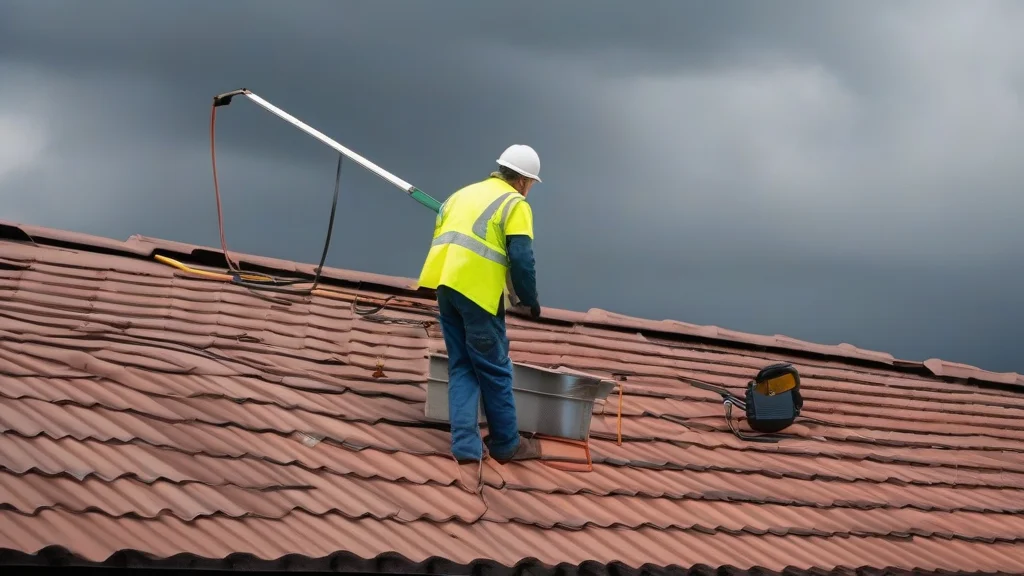
A seasoned inspector begins their work from the ground and from inside your home. This preliminary phase sets the stage for everything that follows. The inspector will first conduct a 360-degree perimeter walk, observing the roof lines from every angle. They're looking for visible sagging, uneven ridges, or dips in the roofline—clear indicators of potential structural trouble. They'll note the type and condition of gutters, downspouts, and any vegetation touching the roof, as these can contribute to moisture problems.
Next, they'll review the home's history. A professional roof inspection includes asking you key questions: When was the roof last replaced? Have you experienced any leaks, even small ones? What is your attic insulation like? This context is invaluable. A 15-year-old roof with a history of ice damming will be scrutinized differently than a 25-year-old roof in a dry climate. The inspector is building a mental model of the stresses your roof has endured before they ever touch it.
The most critical part of a roof inspection happens before the inspector climbs up. The ground-level assessment and homeowner interview provide the essential context that guides the entire evaluation, turning it from a generic checkup into a diagnosis tailored to your specific home.
Document Review and Exterior Clues
If available, the inspector may ask for previous repair records or permits. They'll also examine the flashing—the metal strips around chimneys, vents, and skylights—from the ground with binoculars, looking for rust, separation, or poor sealing. This pre-climb ritual ensures that when they do ascend, their time is focused on confirming hypotheses and investigating specific areas of concern, not wandering aimlessly. It’s a methodical, time-saving process that separates professionals from amateurs.
Decoding Structural Integrity: The Foundation of Your Roof
This is the cornerstone of the roof inspection. The inspector is essentially playing detective with your home's skeleton. From the attic (which we'll detail next) and from strategic ground views, they are assessing the roof framing. The key elements they evaluate include:
- Rafter/Truss Alignment — Looking for any bows, bends, or twists in the wooden framing members. Straight lines are good; curves signal long-term stress or potential water damage.
- Ridge Board Condition — The ridge is the spine of your roof. The inspector checks for sagging, cracking, or any separation where rafters meet the ridge.
- Support Wall Connections — Ensuring interior load-bearing walls are properly supporting the roof structure above, with no signs of shifting or settlement.
- Previous Repair Quality — Noting any sistered rafters (new boards nailed alongside old ones), scabbed-in repairs, or non-professional modifications that could compromise strength.
Why does this matter? If the underlying structure is compromised, no amount of new shingling will save your roof. It's like putting a new paint job on a car with a bent frame. Structural issues often manifest slowly. A slight dip in the roof line might only be visible at certain times of day with low-angle sunlight. A professional knows these tricks. Catching a structural problem early can mean a repair costing $2,000 - $5,000. Ignoring it until it's severe can lead to a partial roof collapse and repairs exceeding $20,000.
Signs of Good Structural Health
- Straight, parallel rafters and trusses with no visible sagging.
- A firm, level ridge line when viewed from the end of the house.
- Clean, solid connections at all joints with no rusted or missing hardware.
- Absence of musty odors or fungal growth on wood in the attic.
Red Flags for Structural Trouble
- Visible sagging or "spongy" feeling when walking in the attic.
- Cracks in interior walls near ceilings, especially diagonal ones.
- Doors or windows that suddenly stick, indicating frame shift.
- Water stains or darkened, softened wood on structural members.
The Ventilation Assessment: Your Roof's Breathing System
Proper ventilation is the unsung hero of roof longevity. An inspector will treat your attic's airflow like a vital sign. The system has two parts: intake (usually at the eaves via soffit vents) and exhaust (at the ridge or gables). The inspector calculates if the system is balanced. Too little exhaust, and superheated air cooks your shingles from underneath, cutting their life in half. Too little intake, and the exhaust vents can't work properly, creating a vacuum that can pull moist air from your living space into the attic, leading to condensation and mold.
During a roof inspection, the pro will check for blocked soffit vents (often by insulation), ensure ridge vents are clear of debris, and look for proper baffles to keep airflow channels open. They'll also feel for air movement and use a thermometer to check for extreme attic heat. In winter, they look for signs of ice damming—a direct result of poor ventilation where heat melts snow, which refreezes at the colder eaves, creating a dam that backs water under shingles.
Did You Know?
A poorly ventilated attic can reach temperatures over 160°F on a summer day. This extreme heat bakes the asphalt in shingles, making them brittle and prone to cracking. It also drastically increases your home's cooling costs.
The Attic Investigation: A Tell-All Story from the Inside Out
The attic is the truth-teller. Every problem your roof has ever faced leaves evidence here. This is where the inspector becomes a forensic analyst. They use a powerful flashlight to scan every inch of the underside of the roof deck (the plywood or boards under the shingles). They're looking for a constellation of clues that reveal the roof's history and health.
The most critical things a professional looks for in the attic during a roof inspection are:
- Light Streaks or "Shiners"
Nails that missed the framing and poke into the attic. In cold weather, warm attic air hits the cold nail tip and condenses, leaving a tiny water stain. A few are normal; dozens indicate a sloppy installation.
- Water Stains on the Decking
Dark streaks or patches on the wood. The pattern and location help trace the leak source. New stains are darker; old stains are often gray and dusty.
- Mold, Mildew, or Rot
Black speckling or fuzzy growth, especially along the north side of the roof or near vents. This signals chronic moisture problems from poor ventilation or leaks.
- Insulation Condition and Depth
Compressed, wet, or uneven insulation reduces efficiency and can contribute to ice damming. The inspector checks if it meets modern R-value standards for your region.
This internal roof inspection is non-negotiable. A contractor who refuses to enter the attic or claims it's not necessary is a major red flag. They are avoiding the very place that reveals the costliest problems. The attic tells you about past leaks, current moisture levels, and insulation adequacy—all data points that are impossible to gather from the exterior alone.
HomeProMatcher
Skip the endless search and vetting. HomeProMatcher connects you directly with licensed, pre-screened local roof inspectors in minutes. Their matching service focuses on independent professionals who provide detailed reports without sales pressure. You get one call to a vetted provider, transparent pricing, and verified reviews—no filling out ten different forms.
How to Hire the Right Roof Inspection Pro
Your inspection is only as good as the inspector. Hiring the wrong person can give you a false sense of security or scare you into unnecessary repairs. You need a qualified, unbiased expert. Start by ensuring they are licensed (if required in your state) and insured, with general liability and workers' compensation coverage. Ask for proof. Then, look for specific credentials like certifications from the International Association of Certified Home Inspectors (InterNACHI) or the Roofing Industry Committee on Weather Issues (RICOWI). These indicate ongoing training.
Before you hire, ask these essential questions:
- "What is included in your standard roof inspection?" — The answer must include interior attic access, structural assessment, ventilation evaluation, and a detailed written report with photos.
- "Do you perform repairs or sell roofing?" — The correct answer is "No." You want an independent third party.
- "What tools do you use?" — Beyond a ladder and flashlight, look for mentions of moisture meters, infrared cameras (for thermal imaging), or drones for steep roofs.
- "Can I see a sample report?" — A good report is comprehensive, photo-heavy, and written in clear language with prioritized recommendations.
Finally, check reviews on multiple platforms. Look for patterns mentioning thoroughness, clear communication, and lack of sales pressure. A service like HomeProMatcher simplifies this by pre-vetting providers for these exact criteria, matching you with local pros whose business model is inspection, not sales.
Always get at least three quotes for a roof inspection. Compare not just price, but the scope of services. The cheapest option often excludes the attic or a detailed report. The most expensive isn't always the best. The middle quote with the most comprehensive checklist is usually the sweet spot.
Understanding Roof Inspection Costs and True Value
What should you expect to pay? A professional, comprehensive roof inspection typically ranges from $200 to $600, with a national average around $350. Several factors influence the price:
| Factor | Lower Cost Impact | Higher Cost Impact |
|---|---|---|
| Roof Size & Complexity | Simple, small ranch home | Large home with multiple peaks, valleys, & skylights |
| Pitch/Steepness | Low-slope, walkable roof | Very steep roof requiring special safety equipment |
| Inspection Depth | Visual exterior-only check | Full inspection with attic, moisture meter, thermal imaging |
| Report Detail | Brief summary sheet | 30+ page digital report with annotated photos & repair estimates |
Don't balk at the higher end of the range. Consider the value: a $450 inspection that uncovers a ventilation issue you can fix for $1,500 just saved you from a $12,000 premature roof replacement. That's an astronomical return on investment. The report itself is a valuable asset for insurance, future buyers, or planning your home maintenance budget. Some inspectors offer bundled services, like a whole-home inspection that includes the roof at a reduced rate—worth asking about if you're buying a home or doing a full maintenance audit.
The Best Time for a Roof Inspection: Seasonal Timing Tips
Timing your roof inspection strategically can reveal different problems. Ideally, you should have it inspected once every two to three years, and always after a major weather event like a hailstorm or hurricane. But certain seasons offer advantages.
Spring (Late) is excellent. The winter's damage—ice dams, snow load stress, clogged gutters—is visible, and the weather is mild for the inspector. Early Fall is prime time to prepare for winter; you can fix any issues before the harsh weather hits. Summer inspections are good for spotting ventilation problems (attic heat) and sun damage. Avoid the dead of winter when snow and ice can hide problems, or during heavy rain when safe access is difficult.
If you notice any warning signs—missing granules in gutters, a sudden leak, sagging, or peeling interior paint near ceilings—schedule a roof inspection immediately, regardless of season. Procrastination is the most expensive approach to roof maintenance. Using a matching service can get you a qualified inspector quickly when urgent needs arise.
Great News
Many roof inspectors offer a re-inspection discount. If you get an inspection and make recommended repairs, they'll often check the work for a fraction of the original cost, giving you peace of mind that the fixes were done correctly.
Frequently Asked Questions
A thorough, professional roof inspection that includes the exterior, attic, and structural assessment usually takes between 60 and 90 minutes on site for an average-sized home. The inspector will then spend additional time compiling the detailed report, which is typically delivered within 24-48 hours.
You can perform a basic visual check from the ground with binoculars, looking for missing shingles or sagging. However, a meaningful inspection requires attic access, structural knowledge, and the ability to identify subtle signs of moisture and ventilation failure. For any major decision (like an insurance claim or planning a replacement), a professional roof inspection is a must to avoid costly errors.
A quality report is a digital document with photos of every issue noted. It includes: an overall condition summary, a prioritized list of findings (critical, major, minor), detailed descriptions of each problem with photo annotations, specific repair recommendations, and often a rough estimate of remaining roof life. It should be clear, actionable, and free of sales language.
Drones are excellent tools for safety (inspecting very steep roofs) and for capturing high-definition overview imagery. They can spot issues missed from ground level. However, a drone cannot replace an attic inspection or the tactile checking of shingle granule loss. The best inspections use drones as a supplemental tool, not the primary method.
It can, in a positive way. Providing a clean inspection report to your insurer can sometimes lower premiums or prevent a non-renewal. Conversely, if the report uncovers significant deferred maintenance, you may be required to make repairs to keep coverage. In either case, knowledge is power and prevents surprise policy cancellations.