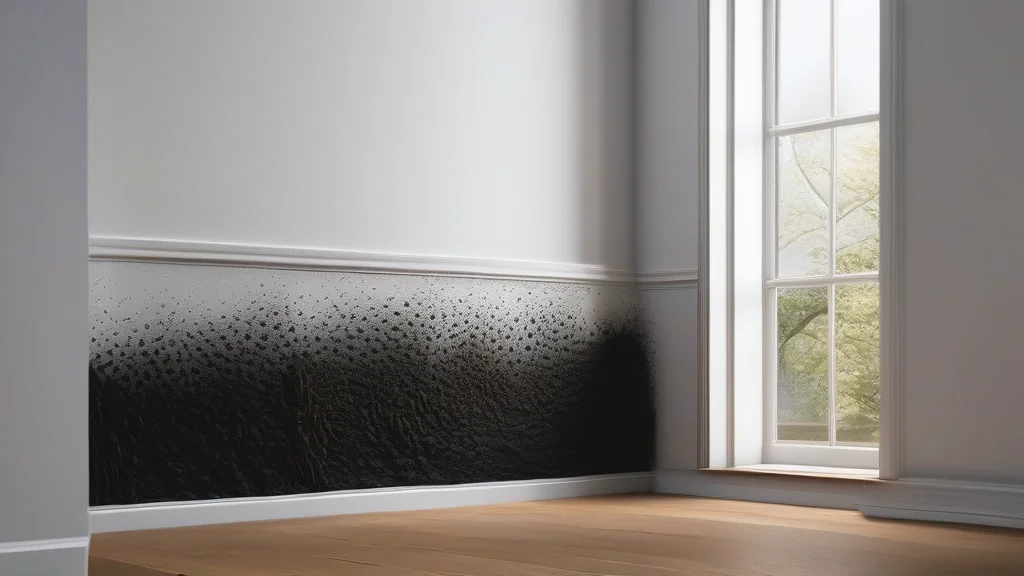
When you discover a patch of black mold in your basement or smell that unmistakable musty odor in your crawlspace, your first instinct is to get it handled—fast. You call a few mold removal companies, expecting a straightforward quote to solve the problem. What you often get instead is a confusing array of prices, alarming warnings, and promises of "industrial-grade" solutions. The truth is, the mold remediation industry is fraught with hidden fees, questionable practices, and aggressive sales tactics that prey on homeowner fear. Understanding what your mold cleaner isn't telling you is the key to protecting your health, your home, and your wallet from unnecessary expense and ineffective work.
This article cuts through the industry noise. We'll expose the common hidden costs that inflate final bills, demystify the chemicals often used, and reveal the upselling tactics designed to scare you into overpaying. More importantly, we'll give you a practical framework for vetting providers, asking the right questions, and ensuring you get a complete, safe, and fairly priced mold removal job. The goal isn't to make you an expert, but to make you an informed consumer who can confidently navigate the process of hiring a professional.
The Real Costs They Don't Quote Upfront
Many companies provide a basic estimate for mold removal that covers the visible work: containment, cleaning, and disposal of affected materials. This initial quote is often deliberately low to win your business. The real financial pain comes from the line items buried in the fine print or presented as "necessary discoveries" once work begins. A common tactic is to quote a price per square foot for the visible mold, only to charge exorbitant rates for ancillary services like air scrubbing, HVAC duct cleaning, or treating adjacent "at-risk" areas. These add-ons can easily double the initial estimate.
Another significant hidden cost is the post-remediation verification (PRV) or clearance testing. Reputable companies should recommend—and often include—a third-party test by a separate environmental consultant to confirm the mold levels are safe after remediation. Some unethical operators will either skip this critical step or use their own "in-house" tester, creating a conflict of interest. They may also surprise you with extra charges for waste disposal fees, especially if the mold is classified as hazardous material, or for repairing structural damage they uncover, which they claim is beyond the original scope. Always demand a detailed, line-item breakdown of all potential costs before signing any contract.
Important
Beware of any company that offers a firm, fixed price over the phone without seeing the site. Mold severity is impossible to assess remotely, and this is a classic red flag for a bait-and-switch scheme.
Get everything in writing. A legitimate quote should detail labor, materials, containment setup, disposal fees, and post-remediation testing. Any vague language like "additional work as needed" is a contract loophole that will cost you.
Typical Mold Removal Cost Breakdown
To understand where hidden fees can creep in, you need to know the standard components of a proper mold remediation project. A transparent provider will separate these costs clearly.
- Inspection and Testing — This covers the initial assessment and any pre- or post-remediation air or surface samples analyzed by an independent lab. Some companies bundle this, while others charge separately.
- Containment and Engineering Controls — This includes setting up physical barriers (plastic sheeting) and negative air pressure machines (air scrubbers) to prevent mold spores from spreading during the work. Rental fees for this equipment are a common add-on.
- Removal and Cleaning — The core labor and materials for physically removing contaminated porous materials (drywall, insulation) and cleaning salvageable surfaces (studs, concrete). This is often quoted per square foot of affected area.
- Disposal — Fees for special bags, transportation, and dumping at a certified facility. This cost fluctuates based on the volume and type of waste.
- Post-Remediation Verification — The final, independent inspection and testing to provide a clearance certificate. This is non-negotiable for a complete job.
When comparing quotes, ensure each company is pricing the same scope. A quote that is $1,500 lower than others may simply be omitting containment or verification testing, leaving you with an incomplete—and potentially dangerous—job.
Questionable Chemicals and "Secret Solutions"
In an effort to appear superior, some companies market "proprietary," "hospital-grade," or "military-strength" biocides. They may claim these are trade secrets they can't disclose. This is a major red flag. In reality, the EPA regulates all pesticides and antimicrobials used in the United States, and their labels are public information. Any legitimate chemical used for mold removal will have an EPA registration number, which the company should willingly provide. The most common and effective agents for mold remediation are not secret at all; they are typically variants of hydrogen peroxide, sodium hypochlorite (bleach—though its use is debated for porous materials), or detergent-based solutions.
The danger of undisclosed chemicals is twofold. First, they may be unnecessarily toxic, leaving behind harsh chemical residues that pose their own health risks, especially for children, pets, or those with respiratory issues. Second, they are often a justification for a premium price tag. A company might charge hundreds of dollars extra to apply a "special enzyme treatment" that is essentially a diluted, over-the-counter product. You have a right to know exactly what chemicals will be used in your home, their EPA registration numbers, and the required safety data sheets (SDS). A reputable professional will discuss the pros and cons of their chosen antimicrobials and explain why they are appropriate for your specific situation.
Green/Certified Cleaners
- Safer for occupants — Low VOC, less toxic residues post-treatment.
- Often effective — Many EPA-registered green products kill mold effectively.
- Environmental benefit — Biodegradable and less polluting.
Strong Chemical Biocides
- Potent kill power — Can be necessary for severe, toxic mold strains.
- Residual protection — Some leave behind an antimicrobial layer.
- Health risks — Require extensive ventilation and may cause respiratory irritation.
Did You Know?
The goal of mold remediation is not to "sterilize" a space, which is impossible, but to return mold levels to normal, natural levels. Killing mold is less important than removing it entirely, as dead mold spores can still cause allergic reactions.
Common Upselling Tactics and Scare Strategies
Fear is the most powerful sales tool in the mold removal industry. Unscrupulous companies will use alarming language about "toxic black mold" (usually referring to Stachybotrys chartarum) and its potential to cause neurological damage or death. While certain molds can produce mycotoxins harmful to vulnerable individuals, the presentation is often exaggerated to justify extensive, unnecessary work. A common scare tactic is to show you air sample results with "elevated spore counts" without proper context or comparison to outdoor baseline levels. They may insist that your entire HVAC system needs a $3,000+ duct cleaning or that mold has "permeated" your wooden framing, requiring costly fumigation.
Another frequent upsell is the push for full-room or whole-house containment and air scrubbing for a small, localized problem. While containment is crucial for large-scale projects, a small patch of mold in a bathroom vanity often does not require sealing off the entire room with plastic. Be wary of any recommendation that seems disproportionate to the visible problem. Before agreeing to any expanded scope, get a second opinion. A trustworthy company will focus on solving the source of the moisture that caused the mold, not just selling you the most expensive treatment option.
What users say
Homeowners report saving significant time and avoiding high-pressure sales calls by getting matched directly with licensed, local pros who provide clear, upfront quotes.
Why this helps
Platforms like HomeProMatcher pre-screen companies for proper licensing, insurance, and review history, filtering out the unreliable operators. This gives you a shortlist of qualified candidates instantly, so you can focus on comparing fair quotes instead of vetting strangers.
- No cold calls from dozens of companies
- All matched pros are locally licensed & insured
- Receive multiple bids for easy comparison
- Service is limited to participating providers
- You still should do final due diligence
Finding a Trustworthy Mold Removal Pro
With so many pitfalls, finding a reliable contractor is the most critical step. Your search should prioritize credentials and transparency over slick marketing. Start by verifying state-level licensing. Many states require specific certifications for mold remediation contractors—don't just accept a general contractor's license. Ask for their license number and verify it online with your state's licensing board. Next, demand proof of general liability and workers' compensation insurance. If an uninsured worker gets hurt in your home, you could be held liable. Any hesitation to provide these documents is an immediate deal-breaker.
Look for certifications from reputable industry organizations like the Institute of Inspection, Cleaning and Restoration Certification (IICRC) in mold remediation. While not a substitute for licensing, these certifications show ongoing education in the latest standards. Finally, dig deep on reviews. Look beyond the star rating on aggregator sites. Read detailed reviews that mention communication, adherence to quote, cleanup, and post-job follow-up. Be skeptical of profiles with only a handful of overly generic five-star reviews. A pattern of complaints about surprise charges or poor communication is a glaring red flag.
Always get at least three detailed, written estimates. The variation in scope and price will be enlightening. If one quote is drastically lower, it's almost certainly missing critical components. If one is drastically higher, question every line item.
Red Flags to Watch For
Knowing what to avoid is as important as knowing what to seek. Here are clear warning signs that a mold removal company may not be trustworthy.
- "Free Testing" with an In-House Lab — This is a massive conflict of interest. The company that finds the mold should not be the same company that profits from removing it.
- High-Pressure Sales Tactics — Urgency about "limited-time discounts" or claims that the mold is an immediate, severe health threat requiring same-day service are designed to bypass your rational decision-making.
- Cash-Only Discounts — This often indicates a desire to avoid paper trails, taxes, and potentially, binding contracts. It also leaves you with no recourse.
- Vague or Verbal Contracts — Everything must be in writing: scope, price, timeline, warranty, and cleanup details. A handshake deal will not protect you.
- Inability to Explain the Process — A true professional can clearly walk you through each step of containment, removal, cleaning, and verification in plain language.
Trust your instincts. If a salesperson makes you feel uncomfortable, pressured, or confused, thank them for their time and move on. The right provider will act as an educator and partner, not a fearmongering salesperson.
Essential Questions to Ask Before You Hire
Arm yourself with a checklist of specific questions during consultations. The answers will separate the experts from the opportunists. This due diligence is your best defense against a bad mold removal experience.
- Ask About Credentials and Insurance
"Can you provide your state mold remediation license number and copies of your general liability and workers' comp insurance certificates?" Verify them independently. Also ask, "Are your technicians IICRC-certified in mold remediation?"
- Demand a Detailed Scope of Work
"Can you provide a written, line-item proposal that includes all labor, materials, containment setup, equipment rentals, disposal fees, and post-remediation verification testing?" Ensure it specifies who performs the final clearance test (it should be an independent third party).
- Inquire About Methods and Chemicals
"What specific antimicrobial products will you use, and can you provide the EPA registration numbers and Safety Data Sheets? What is your process for containing the work area to prevent cross-contamination?"
- Clarify the Warranty and Follow-Up
"What kind of warranty or guarantee do you offer on your work? If mold returns in the same area due to the same moisture issue within a certain period, what is your protocol?" Get this in writing.
- Discuss the Moisture Source
"What is your assessment of the moisture source causing this mold, and what do you recommend to fix it permanently?" A company that only treats the symptom (mold) without addressing the cause (moisture) is guaranteeing a future problem.
Taking notes during these conversations allows you to compare providers apples-to-apples. A company that confidently and transparently answers all these questions is far more likely to deliver a professional, complete mold remediation job.
When DIY Mold Removal is Safe (And When It’s Not)
For very small, surface-level mold problems—think a patch on bathroom grout or a bit of mildew on a windowsill under 10 square feet—DIY mold removal can be safe and effective. The key is that the mold is on a non-porous, cleanable surface and the moisture source has been completely eliminated. You can use a simple solution of detergent and water, diluted vinegar, or a EPA-registered household mold cleaner. Always wear an N-95 respirator, gloves, and eye protection, and ensure the area is well-ventilated.
However, DIY becomes dangerous and ill-advised in several scenarios. If the affected area is larger than 10 square feet, if the mold is inside your HVAC system, if it has penetrated porous materials like drywall, insulation, or ceiling tiles, or if you suspect toxic black mold (Stachybotrys) due to chronic water damage, you must call a professional. Attempting a large-scale removal without proper containment will aerosolize millions of spores and spread the problem throughout your home. Furthermore, improper handling can expose you to high concentrations of allergens or mycotoxins. The cost of professional mold removal is far less than the cost of remediating a now-house-wide contamination or treating resulting health issues.
Watch Out
Never use bleach on porous materials like wood or drywall. It only bleaches the surface mold while leaving the roots intact, and the water in the bleach solution can actually feed deeper mold growth. It also fails to address the allergenic properties of dead mold spores.
The rule of thumb: If the mold came from a clean, one-time leak that you fixed immediately and it's on a hard surface, you can probably DIY. If it's from an ongoing moisture issue, is widespread, or is in your ventilation, hire a pro. Your health isn't worth the risk.
Frequently Asked Questions
Frequently Asked Questions
The timeline varies greatly by scope. A small, contained job might be completed in 1-2 days. A larger infestation requiring structural drying and reconstruction can take a week or more. The critical factor is drying time; the area must be completely dry before reconstruction begins to prevent regrowth.
It depends on the source. Insurance typically covers mold damage if it's the direct result of a sudden, covered peril like a burst pipe or storm damage. It almost always excludes mold resulting from long-term neglect, maintenance issues, or flooding (unless you have separate flood insurance). Always file a claim and let your adjuster make the determination.
In practice, the terms are used interchangeably. Technically, mold removal implies complete elimination, which is impossible since mold spores are everywhere. Mold remediation is the more accurate term: it describes the professional process of containing, removing, cleaning, and restoring mold-affected areas to safe, normal fungal ecology levels.
The only permanent solution is moisture control. Ensure the original leak or humidity source is fixed. Maintain indoor humidity below 60% (ideally 30-50%) using dehumidifiers, especially in basements and bathrooms. Improve ventilation, fix grading around your home's foundation, and promptly dry any water leaks or spills.
For small, well-contained jobs, you may be able to stay, avoiding the immediate work area. For larger-scale remediation involving heavy demolition or treatment of HVAC systems, temporary relocation is often recommended to minimize exposure to disturbed spores and chemical treatments. Your contractor should advise you based on the project scope.
Navigating the world of mold removal requires a healthy dose of skepticism and a commitment to due diligence. The industry's worst actors rely on fear, confusion, and your desire for a quick fix. By understanding the common hidden costs, chemical mysteries, and upselling ploys, you reclaim the power in the transaction. Remember, the goal is not just to remove what you see, but to solve the moisture problem permanently and verify the home is safe. Always get multiple detailed quotes, verify credentials ruthlessly, and insist on a clear, written contract that includes third-party verification.
If the process of finding and vetting multiple local professionals feels overwhelming, services like HomeProMatcher exist to streamline it. By connecting you with pre-screened, licensed, and insured local pros who compete for your job, you can skip the endless search and high-pressure sales calls. You get multiple clear quotes from qualified companies, allowing you to make an informed choice with confidence. The right knowledge and the right resources are your best defense against overpaying for an incomplete or unsafe mold remediation job.