If you've ever dealt with a damp basement or worse, a flooded one, you know the sinking feeling that comes with it. You call in a waterproofing company, pay thousands of dollars, and hope the problem is solved for good. Yet, all too often, homeowners find themselves facing the same soggy mess just a few years later. The issue isn't that basement waterproofing doesn't work—it's that many common installation methods are fundamentally flawed from the start. This article examines the critical, often overlooked mistakes in basement waterproofing that lead to persistent moisture problems, focusing specifically on flawed interior drain tile systems and improper exterior grading.
Common Waterproofing Mistakes That Lead to Failure
A successful waterproofing strategy is a holistic system, not a single magic bullet. Many homeowners and even some contractors fall into the trap of treating symptoms rather than the root cause of water intrusion. The most pervasive error is adopting an interior-only approach. This method involves installing a drainage channel and sump pump inside the basement to manage water that has already entered. While this can temporarily lower the water level, it does nothing to stop water from penetrating the foundation walls in the first place. Over time, this constant moisture exposure can lead to cracked foundations, mold growth, and structural decay.
Another frequent mistake is improper material selection. Using a standard black tar coating or a thin spray-on membrane on the exterior might seem sufficient, but these materials can degrade, crack, and peel over time. They offer little protection against hydrostatic pressure—the force of water-saturated soil pushing against your foundation. True exterior waterproofing requires a robust, flexible membrane paired with proper drainage board protection. Perhaps the biggest oversight of all is ignoring the landscape. No amount of interior or wall waterproofing can compensate for a yard that slopes toward your home, directing thousands of gallons of rainwater right into your basement.
Effective waterproofing addresses the exterior source of water first. Interior systems should only be a backup, not the primary line of defense.
The Flawed Interior Drain Tile System
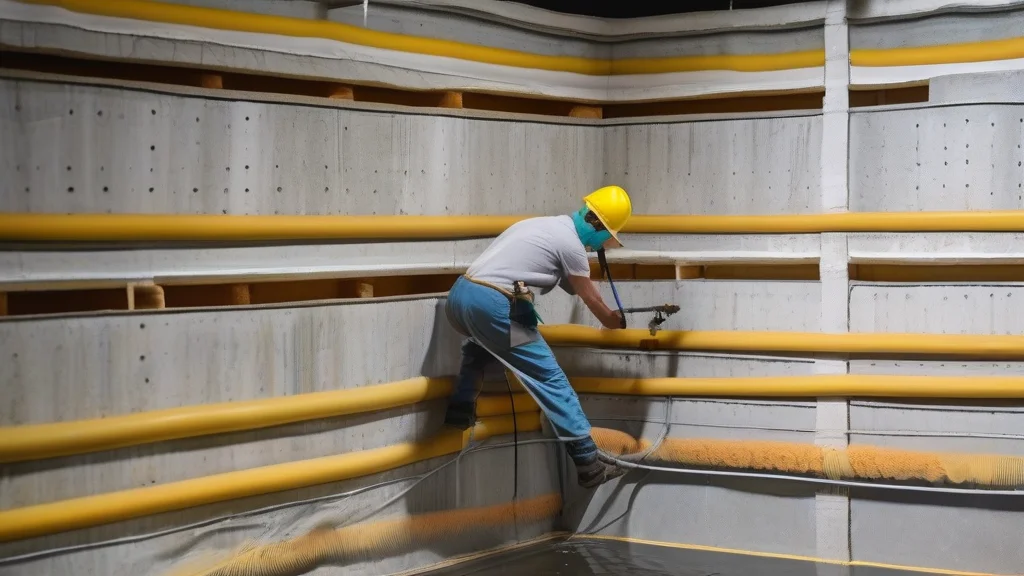
Interior drain tile, or a French drain system installed inside the perimeter of your basement floor, is one of the most commonly sold—and most commonly misunderstood—waterproofing solutions. The sales pitch is compelling: it's less expensive than excavating the exterior, causes minimal disruption to your landscaping, and promises a dry basement. The system works by channeling water that seeps through the floor or walls into a perforated pipe, which then flows to a sump pump to be ejected from the home. However, this approach has several inherent flaws that can lead to long-term failure.
First, it allows water to enter the basement. Every time it rains, water is permitted to penetrate the concrete, bringing with it soil salts and minerals that can cause efflorescence and spalling. This constant wetting and drying cycle weakens the concrete over decades. Second, interior systems do nothing to protect the structural integrity of the foundation walls from the outside. Water freezing in the soil exterior to the wall can still cause cracking. Third, these systems are entirely dependent on a mechanical pump. If the power fails during a major storm—precisely when you need it most—the system is useless and your basement will flood.
Important
An interior drain tile system treats the symptom (water in the basement) but ignores the disease (water against the foundation). It should be considered a last-resort backup, not a standalone waterproofing solution.
When an Interior System Makes Sense
This isn't to say interior waterproofing is never appropriate. There are specific, limited scenarios where it is the only practical option. If your home is situated very close to a neighbor's property or large trees, exterior excavation might be impossible. For historic homes with fragile landscaping, digging up the foundation could cause more damage. In these cases, an interior system, combined with meticulous interior wall sealing and excellent exterior grading, can be part of a management strategy. The key is to set realistic expectations: you are managing a chronic condition, not curing it.
Advantages of Interior Systems
- Lower upfront cost — Typically $3,000-$6,000 versus $10,000-$20,000+ for full exterior work.
- Minimal disruption — No destruction of landscaping, patios, or driveways.
- Faster installation — Can often be completed in 1-2 days.
Disadvantages of Interior Systems
- Doesn't protect foundation — Walls remain exposed to exterior water and freeze-thaw cycles.
- Relies on mechanical pump — A power outage leads to immediate failure.
- Can promote wall deterioration — Allows moisture to constantly contact concrete.
How Improper Grading Undermines Everything
If you remember only one thing from this article, let it be this: grading is the most important factor in basement waterproofing. Grading refers to the slope of the ground around your home's foundation. The ground should drop at least 6 inches over the first 10 feet away from your house. This simple principle directs surface water away from your foundation. When grading slopes toward the house, you are essentially funneling every rainstorm into your basement, overwhelming even the best wall waterproofing systems.
Improper grading is often a result of settling after construction, poorly planned landscaping projects, or the addition of decks and patios that inadvertently create a dam effect. Soil erosion over time can also reverse the slope. Fixing grading issues is frequently the most cost-effective waterproofing step you can take. It involves adding and compacting soil around the foundation to create the proper slope. This work is messy but straightforward, and it addresses the majority of water intrusion problems before they start. No membrane, no drain tile, no sump pump can compensate for a yard that drains toward your basement.
Perform a simple test during your next heavy rain: watch how water flows in your yard. If you see puddles forming near the foundation or water running toward the house, your grading needs immediate attention. This fix can cost as little as $500-$1,500 and save you tens of thousands in interior repairs.
Your Checklist for Hiring a Waterproofing Pro
Choosing the right contractor is the single most important decision in ensuring your waterproofing project succeeds. The industry has its share of companies that push expensive, unnecessary interior systems. Your job is to find a knowledgeable, honest pro who will diagnose the real problem. Start by verifying their credentials. A reputable waterproofing contractor should be licensed, insured, and preferably certified by a manufacturer like Tremco or BASF. This certification indicates training on proper installation techniques.
Always get at least three detailed, written estimates. A trustworthy contractor will start with a thorough inspection, both inside and out, before recommending a solution. Be wary of anyone who immediately suggests an interior drain system without discussing your home's exterior grading, gutter function, and downspout extensions. Ask for and check references specifically for waterproofing work, and look for reviews that mention long-term results. A platform like HomeProMatcher can simplify this process by connecting you with pre-vetted, licensed local professionals who have been screened for expertise in foundation and basement work, saving you the hassle of endless searching.
- Verify Credentials & Insurance
Ask for their state contractor's license number and proof of liability and workers' compensation insurance. Call the licensing board to confirm they're in good standing.
- Get 3+ Detailed Quotes
Each quote should include a diagnosis, a scope of work, specific materials (brand and type), a timeline, a payment schedule, and a warranty. Compare them line by line.
- Inspect Their Proposed Solution
Does the plan address exterior causes first (grading, gutters)? Is an interior system proposed as a complement, not the sole fix? Ask "why" for every recommendation.
- Check References & Reviews
Ask for 2-3 references from jobs at least 3 years old. Contact them and ask if the work has held up. Search online for the company name plus "complaint" or "leak."
Realistic Waterproofing Cost Expectations
Understanding what waterproofing should cost protects you from both low-ball scams and outrageous markups. Pricing varies dramatically based on the size of your home, the severity of the problem, your geographic location, and the solution chosen. As a rule, exterior work is more expensive because it involves excavation, but it is also more permanent. Interior solutions are cheaper upfront but may have higher long-term costs due to potential foundation repair.
Be deeply suspicious of any quote that seems too good to be true. A company offering full exterior waterproofing for $3,000 is likely cutting corners on material thickness, drainage board, or proper backfill. On the flip side, a quote over $40,000 for a standard-sized home should be scrutinized for unnecessary add-ons. A fair payment schedule is also critical. Never pay more than 10-15% as a deposit. The majority of the payment should be due upon satisfactory completion of the work. A reputable contractor finances their material costs and doesn't need your full payment upfront.
Watch Out
A contractor demanding 50% or more upfront is a major red flag. This is a common tactic used by unscrupulous operators who may perform shoddy work or disappear with your money.
Seasonal Timing for Waterproofing Projects
When you schedule your waterproofing project can impact both the cost and the quality of the installation. The best time for exterior waterproofing is during dry, stable weather, typically late spring through early fall in most climates. The ground must be workable and not frozen. Dry conditions allow for proper excavation and give membranes and sealants adequate time to cure before being exposed to moisture. Scheduling during a contractor's off-peak season—often late fall—can sometimes yield discounts, but you risk early frosts that can halt work.
Conversely, the worst time to properly diagnose a waterproofing problem is during a drought. You need to see how water behaves on your property under normal or heavy rain conditions. If you're considering a project, start your research and get quotes in the summer. This gives you time to vet contractors thoroughly and schedule the work before the rainy season hits. Remember, the busiest time for waterproofing companies is right after the first major basement flood. Planning ahead means you won't be making a panicked, expensive decision under pressure.
Your Rights and Contractor Red Flags
As a consumer hiring a waterproofing service, you have specific rights and should be alert to clear warning signs. You have the right to a detailed written contract, a clear warranty, and a reasonable payment schedule. The warranty is particularly crucial for waterproofing work. It should be transferable, cover both materials and labor, and last for a substantial period—often 10 years to a lifetime for reputable exterior systems. Get the warranty in writing and understand what voids it (like failing to maintain your gutters).
Recognizing red flags can save you from a costly mistake. Be extremely cautious of contractors who use high-pressure sales tactics, offer "today-only" discounts, or arrive in unmarked trucks. Avoid companies that cannot or will not provide a local business address. Be wary of any diagnosis that doesn't include a thorough examination of your home's exterior. If a salesperson tries to scare you with immediate, catastrophic structural failure claims to force a quick sale, thank them for their time and show them the door. Trust your instincts—if something feels off, it probably is.
Frequently Asked Questions
Interior waterproofing is best viewed as a management tool for specific, unavoidable situations, not a permanent cure. It can be effective in conjunction with excellent exterior drainage control (grading, gutters) when exterior excavation is impossible. However, it does not protect the foundation structure from water damage, so it is not a complete, standalone solution.
A correctly installed exterior waterproofing system with a proper membrane and drainage board should last for the lifetime of the home, often backed by a 25-year to lifetime transferable warranty. Interior systems and sealants have shorter lifespans, typically 5-15 years, and are more susceptible to mechanical failure (sump pump breakdown).
Before calling a contractor, inspect the simple things first. Ensure your gutters are clean and downspouts extend at least 6 feet away from your foundation. Check the grading around your house—does the soil slope away? These two fixes solve the majority of minor dampness issues at little to no cost.
While interior sealants and minor crack injections are DIY-friendly, comprehensive waterproofing is not a DIY project. Excavation, proper membrane installation, and drainage system setup require specialized equipment, knowledge, and an understanding of building codes. An improper installation can worsen the problem and void any future warranty claims.
Start by asking neighbors for referrals. Verify any contractor's license and insurance. A reliable resource is HomeProMatcher, which connects homeowners with pre-screened, licensed local pros. You simply describe your project, and they match you with vetted contractors, eliminating the guesswork and endless online searches.