- Hidden Failures: Why New Roofs Fail Prematurely
- The Shortcuts That Cost You Thousands
- Material Mismatch: The Wrong Roof for Your House
- Hiring Right: Vetting Your Roof Replacement Contractor
- The Roof Replacement Contract Checklist
- Smart Timing for Your Roof Replacement Project
- How to Invest Wisely in a Lasting Roof
Getting a new roof is one of the most significant investments a homeowner makes, yet a shocking number of these projects fail years ahead of schedule. A roof replacement should protect your home for decades, but improper installation and material mismatches can lead to leaks, structural damage, and a complete redo in as little as five years. The problem often isn't the shingles you see—it's the critical work you don't. Understanding the hidden vulnerabilities in the installation process is the key to ensuring your investment stands the test of time.
Homeowners frequently focus on the upfront cost of a roof replacement, but the true expense reveals itself over time through repairs and premature failure. This article exposes the most common installation shortcuts and material mismatches that lead to early roof failure. We'll provide you with a practical framework to vet contractors, understand what makes a quality installation, and ensure your new roof delivers the longevity and protection you're paying for.
Hidden Failures: Why New Roofs Fail Prematurely
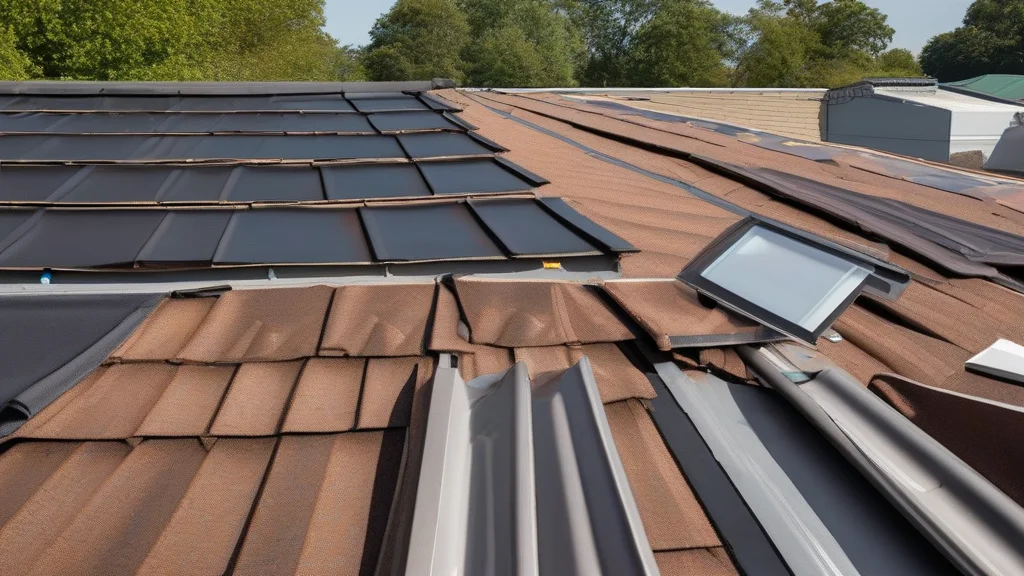
When a new roof fails prematurely, it's rarely a manufacturing defect in the shingles themselves. Modern asphalt shingles are engineered to last 25 to 30 years or more. The real culprit is almost always found in the installation process—the layers and details hidden beneath the visible surface. A proper roof replacement is a complex system where every component, from the decking to the ventilation, must work in harmony. When one element is compromised, the entire system's lifespan plummets.
Think of your roof like a sandwich. The shingles are just the top slice of bread. What's inside—the underlayment, flashing, nails, and ventilation—determines whether the whole thing stays dry or turns to mush. Installation quality is the single biggest factor in roof longevity, far outweighing the brand of shingle you choose. A premium shingle installed poorly will fail long before a standard shingle installed with precision and care.
The longevity of your roof replacement depends more on the quality of the hidden installation details than on the brand of shingle you select.
The Critical Layers Beneath the Shingles
Most homeowners never see the critical work that happens after the old shingles are torn off. This is where contractors can cut corners to save time and underbid competitors. The roof deck must be solid, dry, and free of rot. Any soft spots must be replaced, not just covered over. Next comes the underlayment, a water-resistant barrier that acts as a secondary shield against wind-driven rain. Using a cheap, non-synthetic underlayment or stapling it too loosely creates immediate vulnerabilities.
Flashing is the unsung hero of a durable roof. This metal material seals the intersections and protrusions—where walls meet the roof, around chimneys, and in valleys where water runoff concentrates. Inadequate flashing or the use of cheap, thin metal is a guaranteed path for water intrusion. Finally, proper attic ventilation is non-negotiable. Without it, heat and moisture build up, baking the shingles from underneath and causing them to age rapidly, a process called thermal cycling.
Important
Never allow a contractor to install new shingles over old ones (a "roof-over"). This practice hides decking problems, voids manufacturer warranties, and drastically shortens the life of the new roof. A full tear-off is essential for a proper roof replacement.
The Shortcuts That Cost You Thousands
Understanding common shortcuts empowers you to ask the right questions and spot a contractor who prioritizes speed over quality. The goal of a successful roof replacement is a watertight, durable system, not just a visually pleasing layer of shingles. These shortcuts might save a crew a few hours, but they will cost you thousands in repairs and a second replacement years too soon.
One of the most frequent sins is improper nailing. Shingles must be fastened with the correct number of nails, of the right length, driven straight and at the precise location on the shingle tab. Over-driven or under-driven nails, or using too few, allow shingles to lift in the wind. Another critical error is mismanaging roof valleys. These high-water-flow areas require special woven or metal valley liners. Some crews simply run shingles across the valley, which directs water underneath the shingles and into your home.
- Inspect the Roof Deck Thoroughly
Before any new materials go on, walk the deck with the project manager. Point out any soft, spongy, or discolored wood. Insist on replacement of any compromised plywood or OSB. Covering up rot is a ticking time bomb.
- Verify Underlayment Type and Installation
Ask for a synthetic underlayment (like synthetic felt) instead of traditional organic felt. Watch that it's rolled out smoothly, overlapped correctly (usually 4-6 inches), and fastened securely—not flapping in the wind.
- Demand Proper Flashing Details
Request step flashing where the roof meets a sidewall and continuous metal flashing for chimneys and skylights. The flashing should be integrated under the underlayment and siding, not just caulked over the top.
Material Mismatch: The Wrong Roof for Your House
Even with perfect installation, using the wrong materials for your specific climate and home design guarantees problems. A roof replacement isn't a one-size-fits-all project. The pitch of your roof, your local weather patterns, and even the architectural style of your home dictate the best material choices. A mismatch here leads to accelerated wear, poor performance, and aesthetic disappointment.
For example, using standard 3-tab shingles on a low-slope roof in a rainy region is asking for trouble; they don't shed water quickly enough. In high-wind or hail-prone areas, you need shingles with a high wind rating (often 130 mph) and a Class 4 impact resistance rating. In hot, sunny climates, selecting shingles with reflective granules can significantly reduce cooling costs and prevent heat damage. The material specification must align with environmental demands.
Architectural Shingles
- Superior Durability — Thicker, multi-layered design resists wind uplift and impact better than 3-tab.
- Longer Warranties — Often come with 30-50 year limited warranty coverage.
- Enhanced Curb Appeal — Dimensional shadow lines create a more premium, custom look.
3-Tab Shingles
- Lower Cost — Typically 20-30% cheaper upfront than architectural styles.
- Shorter Lifespan — Generally rated for 15-20 years, less in harsh conditions.
- Basic Appearance — Flat, uniform look offers less visual interest.
Hiring Right: Vetting Your Roof Replacement Contractor
Your choice of contractor is the most critical decision in the entire roof replacement process. A licensed, insured, and reputable professional will guide you on material selection, execute quality workmanship, and stand behind their work. The wrong contractor will disappear the moment a problem arises, leaving you with a failing roof and an empty wallet. The vetting process requires more than just checking the lowest price.
Start with the basics: a valid state contractor's license and full liability and workers' compensation insurance. Request certificates of insurance directly from their provider. Check their standing with the Better Business Bureau and read reviews on multiple platforms, looking for patterns in feedback about communication, cleanup, and how they handled issues. Ask for local references and actually drive by to see the work—a reputable company will have a portfolio of homes in your area.
Did You Know?
Many manufacturer warranties are only valid if the roofing contractor is "certified" by that manufacturer. This means the installers have been trained on the specific product. Always ask if your contractor is a certified installer for the shingle brand they're proposing.
A powerful way to streamline this vetting process is to use a service like HomeProMatcher. Instead of spending hours searching, reading unreliable reviews, and cold-calling contractors, you can get matched with local, pre-screened roofing pros. They verify licensing, insurance, and reputation, connecting you with a qualified contractor through a single point of contact. This saves immense time and reduces the risk of hiring an unreliable company.
Elite Roofing & Construction
A regional contractor known for meticulous attention to flashing details and synthetic underlayment use. They offer strong 10-year workmanship warranties and are certified installers for multiple major shingle brands. Their quotes are detailed and include line items for all critical components.
Red Flags You Must Avoid
Certain warning signs should make you walk away immediately. A contractor who demands a large cash deposit or full payment upfront is a major risk. Reputable companies typically require a modest deposit to secure materials, with progress payments tied to project milestones. High-pressure sales tactics, like a "today-only discount," are designed to prevent you from shopping around. Be wary of out-of-state phone numbers or P.O. boxes for addresses.
An extremely low bid is often the most expensive choice. It usually indicates the contractor plans to use subpar materials, unskilled labor, or cut the critical corners we've discussed. They may also be uninsured, putting you at massive financial risk if a worker is injured on your property. Finally, avoid anyone who is vague about the details. If they can't or won't explain exactly what underlayment, flashing, and ventilation they'll use, they likely don't plan to do it right.
- Large Upfront Payment — More than 10-20% deposit before work begins is a major warning sign.
- No Physical Address — A P.O. box or no local office suggests a fly-by-night operation.
- Vague or Verbal Contracts — Everything must be in writing, with specific materials and scope detailed.
- Pressure to Sign Quickly — Legitimate contractors give you time to think and compare quotes.
- Unmarked Trucks & No Branding — Established, professional companies market their business.
The Roof Replacement Contract Checklist
Your contract is your only legal protection if something goes wrong. A vague contract benefits the contractor; a detailed one protects you. Never proceed with a roof replacement based on a handshake or a one-page quote. The contract should be a comprehensive document that leaves no room for ambiguity about who is responsible for what, and what materials will be used.
The document must specify the exact shingle brand, style, and color, including the manufacturer's product name and number. It should list the type of underlayment (e.g., "synthetic felt"), the metal gauge and type for flashing (e.g., "26-gauge galvanized steel"), and the details for drip edge, ice and water shield, and ventilation. The scope of work must explicitly state "full tear-off and disposal of existing roof materials."
Add a contract clause stating the final payment (10-15% of the total) is due only after you have received and signed off on the final invoice, the manufacturer's warranty paperwork has been submitted in your name, and the job site has been fully cleaned of all debris and nails.
| Contract Item | Vague / Bad Example | Specific / Good Example |
|---|---|---|
| Shingle Specification | "Architectural shingles" | "GAF Timberline HDZ, Driftwood color, Lifetime warranty" |
| Underlayment | "Felt paper" | "GAF Tiger Paw SYN synthetic underlayment" |
| Flashing | "Replace flashing" | "Install new 26-gauge galvanized step flashing at sidewalls, continuous flashing at chimney" |
| Warranty | "Standard warranty" | "Transferable 50-year manufacturer warranty and 10-year workmanship warranty provided by contractor" |
| Cleanup | "Clean up job site" | "Remove all debris, old materials, and perform magnetic nail sweep of property" |
Smart Timing for Your Roof Replacement Project
When you schedule your roof replacement can impact the cost, timeline, and even the availability of quality contractors. While you can't always control timing due to storm damage or sudden leaks, planning ahead offers significant advantages. The roofing industry has distinct busy and slow seasons, and aligning your project with the slower periods can work in your favor.
Late summer through early fall is often ideal in most climates. The weather is generally stable and dry, providing optimal conditions for installation. The spring rush is over, and contractors may have more availability, potentially leading to more competitive pricing and more focused attention on your project. Avoid scheduling last-minute in late fall, as early winter weather can disrupt the installation and affect the sealing of asphalt shingles.
How to Invest Wisely in a Lasting Roof
A roof replacement is a long-term investment in your home's integrity, value, and your own peace of mind. The goal isn't just to get a new roof, but to get a roof that performs flawlessly for its full intended lifespan. This requires shifting your mindset from seeking the lowest price to identifying the best value—where quality materials, expert installation, and strong warranties converge.
Get at least three detailed, written estimates from well-vetted contractors. Compare them line-by-line, not just on the bottom line. A higher quote that includes superior synthetic underlayment, proper ventilation specs, and a longer workmanship warranty often represents far greater value than the cheapest option. Remember, this is a system protecting everything you own underneath it. Investing an extra $2,000-$3,000 upfront can prevent a $20,000 repair bill from water damage a few years down the line.
"The bitterness of poor quality remains long after the sweetness of low price is forgotten." This adage rings especially true for roof replacement. You pay for quality once; you pay for poor quality over and over again.
To eliminate the guesswork and risk from the contractor search, consider using a matching service. Platforms like HomeProMatcher connect homeowners with licensed, insured, and reviewed local professionals specifically for roof replacement projects. You describe your needs, and they handle the vetting, providing you with a direct connection to a qualified pro. This approach saves you from endless online searches and gives you confidence that the contractor you hire has been pre-screened.
Frequently Asked Questions
With quality architectural shingles and proper installation, you should expect 25 to 30 years of service. The longevity is directly tied to the installation quality, attic ventilation, and local climate conditions. Premature failure within 5-10 years is almost always an installation or material defect issue.
Ask for a detailed, written explanation of their installation process for the critical hidden components: underlayment type and installation method, flashing details at all penetrations and valleys, and their plan for ensuring proper attic ventilation. A contractor who can't articulate this clearly is not the right choice.
Insurance typically covers a roof replacement only if the damage is sudden and accidental, like from a hailstorm or a fallen tree. Normal wear and tear or age-related deterioration is not covered. Always file a claim through your insurer before hiring a contractor for storm damage, and get an independent assessment if possible.
For an average-sized home with architectural shingles, budget between $15,000 and $25,000. Final costs depend on roof complexity (steepness, number of valleys), material choice, your geographic location, and the cost of removing old layers. Always ensure your budget accounts for quality materials and workmanship, not just the lowest possible price.