Table of Contents
- The Invisible Invitations You Send Every Day
- Your Kitchen: A Pest Control Nightmare
- Moisture Magnets and Unkempt Havens
- Structural Invites and Easy Entry Points
- Proactive Prevention: Building Your Defense
- When DIY Fails: Hiring a Professional Pest Control Service
- The Smart Cost of Peace of Mind
- Conclusion: Reclaiming Your Space
You probably think you need to see bugs or droppings to have a pest problem. The reality is, you could be rolling out the welcome mat without even knowing it. Effective pest control starts long before you spot an invader—it begins with understanding the silent invitations you extend daily. Your morning coffee, the stack of newspapers by the door, even your pet’s food bowl can be beacon signals for ants, rodents, and cockroaches. This article explores the surprising, everyday household items and habits that inadvertently attract common pests, offering simple preventative adjustments to help you avoid the need for reactive measures.
Managing pests is not just about eradication; it's about creating an environment they find inhospitable. Many homeowners focus only on the visible signs of infestation, missing the subtle cues that make their home a target. The principles of integrated pest control emphasize prevention as the most powerful tool. By identifying and eliminating these attractants, you shift from a costly, reactive battle to a simple, proactive defense. This approach not only saves money but is also safer for your family and pets.
The Invisible Invitations You Send Every Day
Pests are opportunistic survivors. They don't randomly pick your home; they follow a trail of readily available resources. This trail is often composed of things you consider harmless or mundane. The scent of volatile organic compounds from your coffee grounds, the residual sugars on a countertop, or the warmth of an electronics hub all act as powerful attractants. Understanding this changes the game—you're not just waiting for a problem, you're actively managing the factors that cause it.
Consider the lifecycle of a common pest. Ants send out scouts to find food and water. A single dropped crumb or a damp sponge is a major discovery, prompting them to recruit the entire colony into your home. Similarly, rodents seek shelter, warmth, and nesting materials, which your cluttered garage or attic insulation readily provides. The goal of modern pest control is to break this cycle of attraction before it begins. It requires a shift in perspective, viewing your home through the eyes of an insect or rodent to spot the vulnerabilities.
The most effective pest control strategy is to eliminate the reasons pests want to move in with you: accessible food, available water, and cozy shelter.
Your Kitchen: A Pest Control Nightmare
The kitchen is ground zero for most household pest issues. It's a triple-threat zone offering food, water, and warmth. What you might consider a clean kitchen could still be a buffet for tiny invaders. It’s not just about wiping counters; it’s about managing the invisible residue and overlooked habits that create a persistent problem.
Food and Beverage Lures
Open containers, even those with screw-top lids, are rarely truly secure against determined pests. Flour moths can infiltrate cardboard boxes, and ants can track along the threads of a jelly jar. Pet food is a major offender—leaving a bowl of kibble on the floor overnight is like setting out a 24-hour diner for pests. Dry goods like cereal, pasta, and sugar should be stored in hard plastic or glass containers with airtight seals. Immediately wiping up spills, especially sticky liquids like soda or juice, is non-negotiable.
Important
Your coffee maker and its grounds are a major ant attractant. The sugars and aromas are irresistible. Always empty the used grounds daily, run a vinegar cleaning cycle regularly, and wipe the external machine to remove any residue.
Beyond storage, disposal is critical. A garbage can without a tight-fitting lid emits odors that travel far. Compost bins kept indoors should be emptied daily and the container sanitized. Recyclables, particularly bottles and cans with residual liquid, need a thorough rinse before they hit the bin. Implementing these simple steps can reduce your kitchen's attraction factor by over 70%.
- Transfer all dry goods — Move flour, sugar, cereal, and pet food from their original packaging into sealed glass or heavy-duty plastic containers.
- Adopt a nightly clean sweep — Wipe down all countertops, sweep the floor, and never leave dirty dishes soaking overnight.
- Manage your trash strategically — Use a can with a secure, sealing lid and take the bag out every evening, without exception.
- Address pet food immediately — Feed pets on a schedule and pick up bowls within 30 minutes of feeding. Store bulk food in a sealed container in the garage or a pantry.
Moisture Magnets and Unkempt Havens
Water is the single most critical resource for all life, and pests are no exception. A tiny, consistent water source can sustain a large colony. Often, these sources are hidden or seem insignificant to us. Addressing moisture is a cornerstone of preventative pest control that many homeowners overlook.
Plumbing and Condensation Issues
A leaky faucet, sweating pipes, or a damp basement creates a perfect micro-habitat for silverfish, cockroaches, and even rodents. Check under sinks, around toilets, and behind appliances like refrigerators and dishwashers for any signs of moisture or condensation. Use a dehumidifier in damp basements and crawl spaces to keep humidity levels below 50%. Ensure your gutters and downspouts are clear and direct water at least five feet away from your home's foundation to prevent pooling.
Benefits of Moisture Control
- Deters multiple pest types — Cockroaches, silverfish, centipedes, and certain ants all require high humidity.
- Prevents structural damage
- Improves home air quality — Lower humidity creates a healthier living environment for your family.
Common Oversights
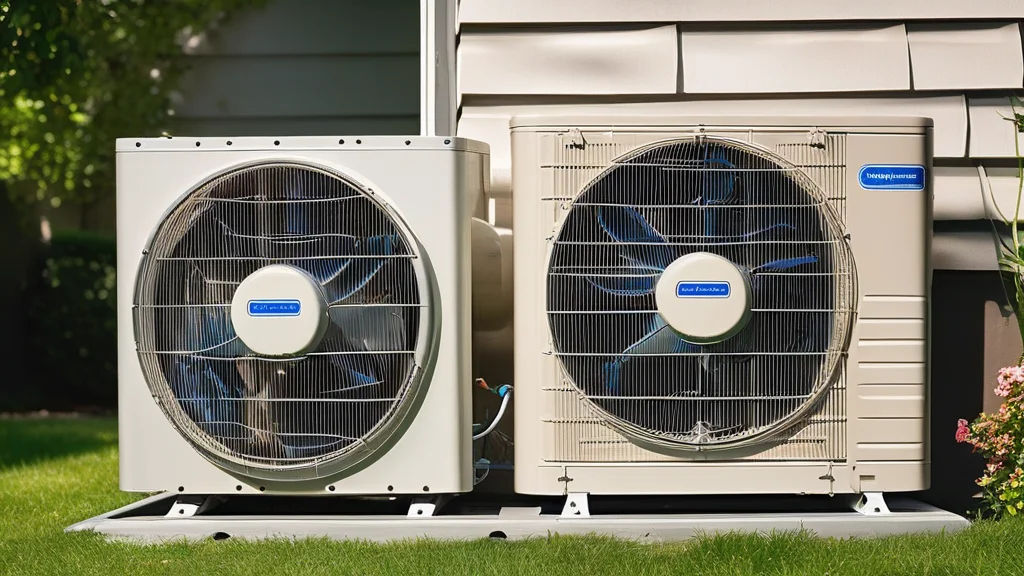
- Ignoring HVAC drip pans — Clogged pans under air handlers are a prime mosquito breeding site.
- Overwatering houseplants — Soggy soil attracts fungus gnats and can breed pests.
- Forgetting about outdoor faucets — A dripping spigot creates a puddle that draws pests right to your exterior walls.
Clutter and Landscaping
Outside, your landscaping choices can either defend or invite pests. Shrubbery touching the house provides a highway for ants and a hiding spot for rodents. Mulch beds right against the foundation retain moisture and shelter termites and carpenter ants. Keep a clear, dry barrier of at least 12-18 inches between any plants or mulch and your home's siding. Store firewood off the ground and at least 20 feet away from the structure.
Indoor clutter provides the perfect harborage—places for pests to hide, breed, and feel safe. Stacks of newspapers, cardboard boxes in the garage, and even piles of clothing offer ideal nesting material. Rodents will shred paper and fabric for their nests, while spiders and cockroaches thrive in dark, undisturbed piles. A decluttered home is not just aesthetically pleasing; it's a fundamental tactic in integrated pest control.
Structural Invites and Easy Entry Points
Your home's exterior is its first line of defense, and small vulnerabilities are like open doors. Pests are masters of exploiting the tiniest gaps. Conducting a thorough exterior inspection twice a year—once in spring and once in fall—can reveal problems before they become infestations.
- Seal the Cracks and Crevices
Using a high-quality silicone or acrylic latex caulk, seal gaps around windows, doors, utility pipes, and cables entering the house. Pay special attention to where different building materials meet, as these joints often separate over time. Install door sweeps on exterior doors to block the gap at the threshold.
- Repair Screens and Vents
Check window and door screens for even the smallest tears. Repair them immediately. Ensure attic, soffit, and foundation vents are intact and covered with 1/4-inch mesh hardware cloth to prevent rodent entry while maintaining airflow.
- Inspect the Roof Line
Look for loose, cracked, or missing shingles. Check flashing around chimneys and vents. These breaches allow water damage that attracts pests and can give squirrels, rats, and birds direct access to your attic.
Did You Know?
Mice can flatten their bodies to squeeze through a hole the diameter of a pencil. Rats need only a hole the size of a quarter. Sealing these entry points is a non-negotiable step in DIY pest prevention.
Lighting also plays a role. Standard incandescent porch lights attract swarms of insects at night. Consider switching to yellow bug lights or sodium vapor bulbs, which are far less attractive to flying insects. Position lights away from doors, or use motion sensors so they aren't on constantly, drawing pests to your entryways.
Proactive Prevention: Building Your Defense
Turning knowledge into action requires a systematic plan. Prevention is far less expensive and stressful than dealing with a full-blown infestation. A consistent routine is your best weapon.
Set quarterly calendar reminders to perform key prevention tasks: deep-clean the kitchen and pantry, inspect the home's exterior perimeter, check for moisture under sinks and appliances, and declutter storage areas like basements and garages.
Beyond routine, consider the products you bring into your home. Second-hand furniture, especially upholstered items or wooden crates, can harbor bed bugs, cockroach egg cases, or rodents. Inspect these items thoroughly outdoors before bringing them inside. When traveling, inspect hotel rooms and keep luggage on a rack, not the floor, to avoid bringing hitchhiking pests back with you.
| Prevention Task | Frequency | Target Pests | Key Action |
|---|---|---|---|
| Interior Deep Clean | Quarterly | Ants, Roaches, Pantry Pests | Empty & clean all cabinets, vacuum corners, wipe surfaces with vinegar solution. |
| Exterior Perimeter Check | Seasonal (Spring/Fall) | Rodents, Ants, Termites | Inspect foundation, seal cracks, trim vegetation, clear debris. |
| Moisture Audit | Monthly | Silverfish, Centipedes, Roaches | Check under sinks, around appliances, basement corners with a moisture meter. |
| Food Source Elimination | Daily | All Common Household Pests | Seal all food, clean spills immediately, secure trash, manage pet food. |
When DIY Fails: Hiring a Professional Pest Control Service
Despite your best efforts, some situations demand expert intervention. Recurring infestations, signs of structural pests like termites or carpenter ants, or simply a lack of time to manage prevention can all be valid reasons to call a pro. Knowing how to select a reputable pest control company is as important as the treatment itself.
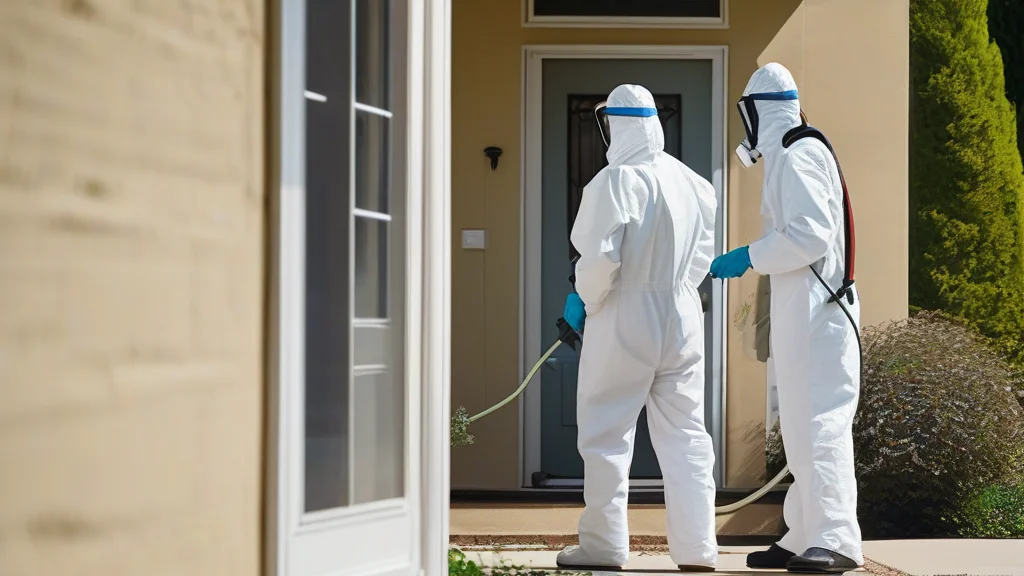
You need a provider who will not just spray chemicals, but will perform a thorough inspection, identify the root cause and pest species, and offer a tailored, often integrated, management plan. The best professionals will educate you on the findings and provide clear recommendations for both treatment and future prevention. This partnership is key to long-term success.
Criteria for Choosing a Pro
Before hiring any pest control service, verify they are fully licensed and insured in your state. Ask about their experience with your specific pest problem. Request and check online reviews on multiple platforms. Insist on a detailed written estimate that outlines the pests targeted, products used, safety precautions, and any guarantees offered. Never accept a high-pressure, door-to-door sales pitch for pest services.
Red Flags and Green Lights
Be wary of companies that quote a price over the phone without an inspection, use scare tactics about immediate structural damage, or are reluctant to provide their license number. A reputable company will be transparent. They should also discuss integrated pest management (IPM) principles, which prioritize non-chemical methods first (like sealing entry points) and use pesticides as a targeted last resort.
- Ask about chemicals and safety — What specific EPA-registered products will they use? Are they pet- and child-safe? What are the re-entry times?
- Understand the guarantee — What exactly does it cover? For how long? Is there a callback fee if the problem persists?
- Get everything in writing — The contract should include the service plan, frequency, total cost, and guarantee details.
This is where a service like HomeProMatcher adds tremendous value. Instead of spending hours researching, reading reviews, and cold-calling local companies, you can get matched with pre-screened, licensed professionals in your area. They handle the vetting for credentials and reputation, so you can focus on getting multiple quotes from qualified providers, saving you time and giving you confidence in your choice.
The Smart Cost of Peace of Mind
Many homeowners balk at the price of professional pest control, viewing it as an unnecessary expense until they have a crisis. This is a false economy. The cost of preventing an infestation is always lower than the cost of remedying one, especially when structural damage is involved.
A routine preventative plan typically involves quarterly visits for exterior perimeter treatments and interior monitoring. This ongoing relationship means a professional is regularly inspecting your home for early signs of trouble, catching issues when they are small and inexpensive to fix. For most households, this service costs less than a monthly streaming subscription, yet provides far greater protection and peace of mind.
Investing in professional pest control is not an expense for a current problem; it's an investment in preventing future, far more costly problems. Think of it as insurance for your home's integrity and your family's comfort.
Conclusion: Reclaiming Your Space
Pest control is an ongoing process of management, not a one-time event. By understanding the attractants—from your coffee grounds to your leaky faucet—you empower yourself to take proactive steps that drastically reduce the likelihood of an infestation. It's about consistent habits: sealing food, managing moisture, eliminating clutter, and sealing entry points. These actions create a home environment that is simply not worth a pest's time and energy.
When prevention needs a professional partner, choose wisely. Look for licensed, communicative experts who focus on solving the root cause. For homeowners seeking a streamlined path to trustworthy help, platforms like HomeProMatcher offer a powerful solution. They connect you with local, vetted professionals, cutting through the noise and simplifying the process of finding reliable service. Remember, the goal isn't just to kill bugs; it's to live in a clean, safe, and pest-free home. Start today by looking around your kitchen and asking: what invitations am I accidentally sending?
Frequently Asked Questions
Some can be helpful for minor, localized issues. Diatomaceous earth for crawling insects, vinegar for ant trails, or essential oils like peppermint for deterring mice may provide temporary relief. However, they rarely address the root cause or colony source of an infestation. For established or recurring problems, professional pest control is more reliable and comprehensive.
Act immediately. A single ant or cockroach is almost certainly a scout or straggler from a larger colony nearby. Seeing one means there are likely many more hidden. Immediately clean the area, try to identify the entry point, and begin monitoring. If you see more within a day or two, it's time to consider professional help.
Extermination implies a one-time, often chemical-heavy approach to kill existing pests. Modern pest control or Integrated Pest Management (IPM) is a holistic, ongoing strategy. It focuses on inspection, identification, prevention, and using a combination of methods (physical barriers, sanitation, targeted chemicals) for long-term management with minimal environmental impact.
Absolutely. Reputable companies use products that are approved for use in homes with pets and children when applied correctly. You must discuss this concern upfront. The technician will choose appropriate products, provide clear instructions on re-entry times (usually a few hours), and may recommend keeping pets and children away from treated areas until dry. Always ask for the product labels and safety data sheets.