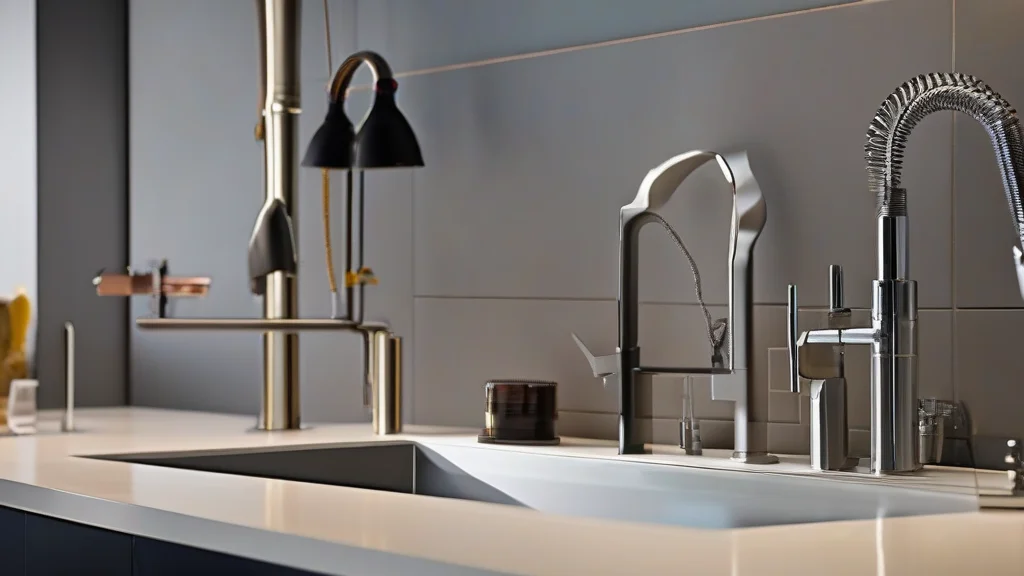
The plumber packs up their tools, you admire your sparkling new fixture, and you consider the job done. This is where most homeowners' involvement ends. But a successful Sink Installation is just the beginning of a relationship with a complex plumbing system. What happens in the weeks, months, and years after the installer leaves determines whether your investment lasts a decade or fails in a year. Understanding your sink's secret life after installation is the key to preventing expensive disasters.
Most problems don't announce themselves with a dramatic flood. They start as subtle whispers—a slow drip under the cabinet, a faint odor from the drain, a sink that drains just a little slower each week. Ignoring these signals is the single biggest mistake homeowners make post-installation. This article isn't about how to install a sink; it's about how to protect the work that's been done. We'll guide you through the critical monitoring phases, the hidden maintenance tasks even professionals forget to mention, and exactly what to look for to ensure your Sink Installation stands the test of time.
What Happens After the Sink Installation?
The first few weeks after a Sink Installation are a settling-in period for materials and seals. Caulking needs to cure fully, which can take 24 to 48 hours depending on humidity and product type. During this time, you should avoid getting the sealant line excessively wet. More importantly, the weight of the sink, combined with daily use, causes slight shifts. These micro-movements can loosen compression fittings and strain connections if the initial installation wasn't perfectly torqued. This is why a leak might appear two weeks after a seemingly flawless job.
Your drainage system also undergoes a break-in phase. New pipes and fittings have factory residue, and plumber's putty or pipe dope can shed tiny particles. It's common to experience minor clogs in the first month as this debris clears. However, persistent slow drainage points to a deeper issue, like an incorrect slope in the P-trap or a venting problem created during the Sink Installation. The performance of your garbage disposal, if you have one, is also tied directly to the quality of the installation. A misaligned discharge tube or a poorly sealed flange will lead to leaks and vibrations that shorten the disposal's life.
Did You Know?
The seal between your sink and countertop isn't just silicone or putty—it's a system. Heat from hot water, cold from ice, and the natural expansion/contraction of your countertop material all stress this seal daily. A high-quality Sink Installation accounts for this movement, while a rushed job will crack and fail.
The 3 Critical Inspection Points
You don't need to be a plumber to perform a basic health check. Focus on three key areas weekly for the first month, then monthly thereafter. First, the cabinet underneath. Use a flashlight and look for any moisture, drips, or condensation on the pipes, the underside of the sink bowl, and the countertop. Feel the pipes with your hand—they should be dry. Second, the drain performance. Fill the sink with a few inches of water, then release the stopper. It should drain completely in 30 seconds or less. A slow drain is your earliest warning sign. Third, the sink rim and faucet base. Check for any gaps opening up between the sink and countertop, or any wobble in the faucet.
The most dangerous post-installation leaks are often the slowest, seeping into cabinetry and subflooring for months before you see a stain on the ceiling below. Regular under-sink inspections are non-negotiable.
Your Monthly Sink Maintenance Checklist
Proactive maintenance is far cheaper than emergency repairs. A simple 10-minute monthly routine can extend the life of your Sink Installation by years. This goes beyond just cleaning the bowl. Your checklist should address the entire system that was installed. Start by cleaning the drain strainer and pop-up assembly. Hair and soap scum build-up here first, leading to clogs and putrid odors. A mixture of baking soda and vinegar followed by hot water is a safe, effective monthly treatment for keeping drains clear and smelling fresh.
Next, focus on the seals. Wipe the perimeter seal where the sink meets the countertop with a damp cloth. Avoid harsh abrasive cleaners or bleach-based products, as they can degrade silicone caulk over time. For stainless steel sinks, wipe with the grain to maintain the finish; for composite or fireclay, use the manufacturer's recommended cleaner. Don't forget the faucet aerator. Unscrew it from the spout tip every few months and rinse out the sediment screen. A clogged aerator reduces water pressure and strains the faucet's internal cartridges, a problem unrelated to the Sink Installation itself but critical for overall function.
- Inspect Under the Sink
With a flashlight, check all connections at the P-trap, supply lines, and disposal (if present). Look for beads of water, green corrosion on brass fittings, or any signs of moisture on the cabinet floor. Feel the pipes for dampness.
- Test Drain Speed & Seals
Plug the sink, fill it 1/4 full, then release. Time the drain. Slow drainage requires attention. While the sink is full, look closely around the rim for any water seeping between the sink and countertop—a sign of seal failure.
- Clean & Protect
Clean the sink basin with appropriate cleaner. Pour a kettle of boiling water down the drain to melt grease. For garbage disposals, run cold water with ice cubes to sharpen blades and flush debris.
Keep a small, inexpensive moisture alarm (available at hardware stores for under $20) on the cabinet floor under your sink. It will beep loudly at the first sign of a leak, giving you an early warning long before you see visual damage.
Warning Signs Your Sink Installation is Failing
Some issues are mere annoyances, while others are five-alarm fires requiring immediate attention. Knowing the difference saves you money and prevents catastrophic damage. A persistent foul odor coming from the drain, especially after cleaning, often indicates a dry P-trap. The P-trap's water seal blocks sewer gases; if the sink isn't used frequently, the water can evaporate. However, if the smell persists after running water, it could signal a venting problem created during the Sink Installation, allowing gases to escape.
Visible signs are more straightforward but often ignored until it's too late. Water stains or softening/discoloration of the cabinetry material under the sink are definitive proof of an active leak. A sink that rocks or moves when you apply pressure to its edges means the mounting clips or adhesive have failed—this will inevitably destroy the countertop seal. Listen for unusual sounds: constant dripping (even if you can't see water), gurgling from other drains when your sink drains, or loud hammering noises in the pipes when you shut off the faucet. These acoustic clues point to pressure issues or improper pipe securing.
Signs of a Quality Installation
- Consistent, fast drainage — No gurgling or hesitation when water flows.
- Bone-dry cabinetry — No moisture, mildew, or warping under the sink after months of use.
- Solid, immovable fixture — The sink feels firmly anchored to the counter with no flex or play.
- Clean, even sealant bead — A smooth, continuous line of caulk with no gaps or bubbles.
Red Flags of a Poor Installation
- Persistent leaks or moisture — Any recurring dampness indicates a failed seal or connection.
- Sink movement or flex — A rocking sink will destroy the countertop seal and lead to major leaks.
- Chronic slow drains — Points to improper slope, venting issues, or debris left in pipes.
- Multiple repaired leaks — If the installer has to return repeatedly, the core installation is flawed.
The Real Cost of Neglecting Your New Sink
Ignoring the minor issues that pop up after a Sink Installation is a financial gamble with terrible odds. A small, slow leak from a loose supply line fitting can waste over 10,000 gallons of water in a year and cost hundreds on your utility bill before you ever see damage. But the water bill is the least of your worries. The real expense is in the secondary damage. Water seeping into particle board cabinets causes them to swell, warp, and rot, necessitating a full cabinet replacement—a project costing $1,500 to $4,000.
If water penetrates the subfloor, you're looking at structural repairs, mold remediation, and potentially replacing finished flooring in adjacent rooms. The national average cost for professional water damage restoration starts at $3,000 and can easily exceed $10,000 for severe cases. Contrast this with the cost of a proactive service call. Having a professional plumber re-tighten connections, replace a worn washer, or re-caulk a seal might cost $150 to $300. The math is unequivocal: post-installation vigilance is the cheapest insurance policy you can buy.
"In my 20 years as a master plumber, I've seen more damage caused by $10 in loose plumbing fittings than by burst pipes. Homeowners invest in a beautiful new sink, then never look under it again. That first year of check-ups is what separates a 30-year installation from a 3-year disaster."
How to Choose the Right Sink Installer from the Start
The best way to ensure a trouble-free life for your sink is to hire the right professional for the Sink Installation. This decision impacts everything we've discussed—the quality of the seals, the alignment of the drainage, and the longevity of the work. Don't just hire the first name in a Google search or the cheapest bid. A lowball quote often means the installer plans to cut corners on materials, time, or expertise, leaving you with the hidden costs down the line.
Start by verifying credentials. A legitimate, skilled plumber or installer will be fully licensed and insured in your state and locality. Ask for proof of both. Liability insurance protects your home if they cause damage; worker's comp protects you if they get injured on your property. Next, ask about experience with your specific sink material (granite composite, cast iron, stainless steel) and countertop type. The installation techniques differ significantly. Finally, request a detailed, written estimate that breaks down labor, materials (specifying brand/quality of supplies like P-traps and supply lines), and the project timeline.
What users say
Homeowners consistently praise the quality of pre-vetted professionals and the time saved. Many note they received multiple competitive quotes from licensed pros without the hassle of endless calls.
Why we recommend this service
For homeowners seeking a reliable Sink Installation, services like HomeProMatcher eliminate the guesswork. They pre-screen local plumbers and installers for licensing, insurance, reputation, and customer reviews, then match you based on your specific project needs. This means you spend time evaluating qualified candidates, not weeding out unqualified ones.
- Saves dozens of hours researching and calling contractors.
- Reduces risk by connecting you with vetted, licensed professionals.
- Streamlines quotes — get multiple estimates quickly through one point of contact.
- Service area limited to participating professionals in your region.
- Not a direct contractor — they facilitate the match, you hire the pro.
Questions to Ask Before You Hire
Arm yourself with specific questions during consultations. The answers will reveal their expertise and attention to detail. First, "What is your process for ensuring the sink is perfectly level and supported?" A good installer will describe using shims, mounting clips, or a proper under-mount support system. Second, "What type and brand of sealant/caulk do you use, and what is its expected lifespan?" They should name a high-quality, kitchen/bath rated product like 100% silicone. Third, "Do you test the drainage and check the venting as part of your installation?" The answer must be yes. Finally, "What is your warranty on labor, and do you provide a follow-up check?" A confident professional offers at least a one-year warranty on their workmanship.
Red Flag Alert
Walk away immediately from any installer who: refuses to provide proof of insurance, only accepts cash payments, cannot explain their process in simple terms, or pressures you to skip permits if your local jurisdiction requires them. These are hallmarks of unprofessional work that will haunt your Sink Installation.
Your sink's performance and longevity are determined by two factors: the quality of the initial Sink Installation and the diligence of your follow-up care. Treat the first year as an extended test drive. Monitor, inspect, and act on minor issues before they escalate. The peace of mind that comes from knowing your plumbing is sound and your home is protected from water damage is invaluable. Remember, the true cost of a sink is not its purchase price, but the total cost of ownership over its lifetime.
If you're planning a new Sink Installation or are concerned about an existing one, start with qualified help. Cutting corners on the front end guarantees expensive problems on the back end. Investing time in selecting the right professional is the single most effective step you can take to secure a worry-free outcome for years to come.
Frequently Asked Questions
A quality Sink Installation performed by a licensed professional using proper materials and techniques should last 10 to 15 years minimum without major issues. The sink fixture itself (like a cast iron or composite model) can last 20-30 years or more. The failure points are almost always the seals, connections, and drainage—components that rely on expert installation and basic maintenance.
The top mistake is never looking under the sink. Out of sight becomes out of mind. A slow leak can go undetected for months, causing extensive hidden damage. The second mistake is using harsh chemical drain cleaners on slow drains, which can corrode pipes and damage seals. Always try mechanical methods (a plunger or drain snake) first.
Not always, but often. A leak appearing within the first few weeks or months is highly likely due to installation error—a loose nut, insufficient sealant, or a cracked putty seal. Leaks that develop after several years are typically due to normal wear and tear of gaskets and supply lines. However, premature wear (like a leak after 2 years) can still point to subpar materials used during the initial Sink Installation.
It depends on your local building codes. For a simple drop-in replacement with no plumbing changes, a permit may not be required. However, if you are moving the sink location, altering plumbing lines, or installing a new gas line for a pot filler, a permit is almost always mandatory. A reputable installer will know the local codes and handle permitting if needed. Skipping permits can void your home insurance if a problem arises.
While a competent DIYer can handle a straightforward drop-in Sink Installation, the risks are significant. Incorrect sealing leads to water damage, improper drainage slope causes chronic clogs, and faulty connections can flood your kitchen. The complexity of undermount installations or integrating with a garbage disposal increases the difficulty. For most homeowners, the potential cost of fixing a mistake far outweighs the savings of a DIY job. Hiring a professional is an investment in long-term reliability.