- Why Tree Trimming Matters: More Than Just Curb Appeal
- Sign 1: The Canopy is Crowded and Dense
- Sign 2: Limbs are Rubbing or Growing Toward Structures
- Sign 3: Dead, Dangling, or Diseased Branches
- Sign 4: Unbalanced Growth or a Leaning Trunk
- Sign 5: Roots, Fungi, and Cracks at the Base
- Hiring the Right Pro: Your Checklist for Safe Tree Trimming
- Understanding Costs and Optimal Timing
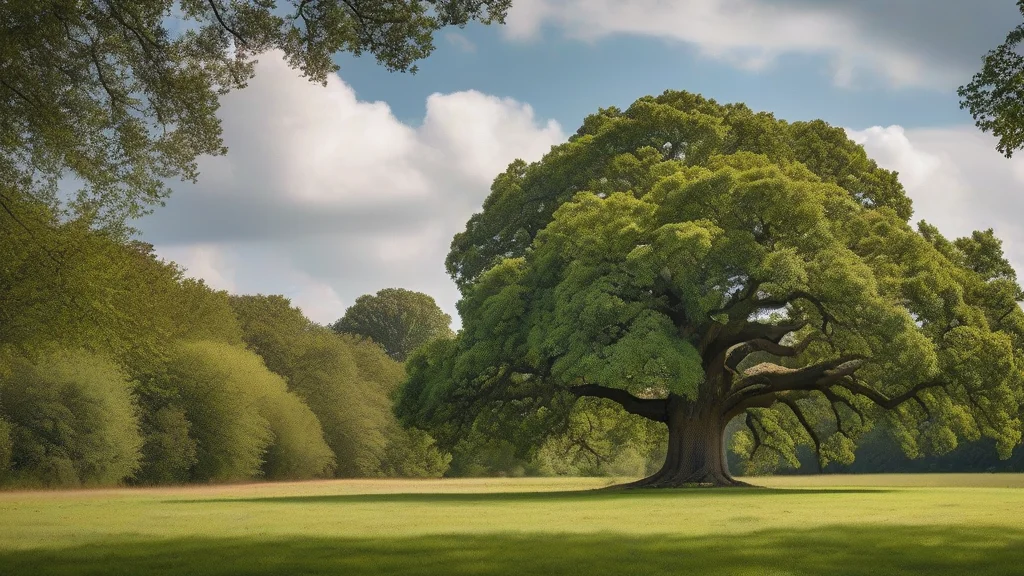
That majestic oak in your yard might look strong and silent, but it could be sending you subtle distress signals. Recognizing when your tree needs professional attention is a critical part of responsible homeownership. Proper tree trimming is not just about aesthetics; it's a vital health intervention and a crucial safety measure. This article will decode the five silent signs that your tree is pleading for a trim, arming you with the knowledge to protect your property and your tree’s longevity.
Many homeowners wait for an obvious problem—like a branch crashing through a fence—before they act. That reactive approach is often more expensive and dangerous. Proactive tree trimming, based on reading these visual cues, prevents damage, promotes lush growth, and can even save you thousands in emergency removal costs. We'll guide you through what to look for, how to hire the right professional, and what you should expect to pay for this essential service.
Why Tree Trimming Matters: More Than Just Curb Appeal
At its core, tree trimming is a form of preventive healthcare for your landscape's largest living assets. A well-executed trim removes dead or dying branches before they fall, reduces the weight on heavy limbs, and allows sunlight and air to penetrate the canopy. This process directly combats disease and pest infestation by eliminating their favorite habitats. The benefits extend far beyond the tree itself, safeguarding your home, vehicle, and family from unpredictable limb failure.
There's a significant difference between a proper trim and a harmful "topping" or hack job. Correct arboricultural techniques make precise cuts at the branch collar to encourage rapid sealing and prevent decay. Incorrect cuts can wound the tree, leaving it vulnerable to insects and rot that compromise its structural integrity over time. Understanding this distinction is your first defense against hiring an unqualified service that causes more harm than good.
Regular, professional tree trimming is a non-negotiable investment in safety and property value, preventing costly emergency repairs and extending the life of your trees by decades.
Sign 1: The Canopy is Crowded and Dense
A thick, impenetrable canopy might look lush, but it's often a sign of trouble. When branches are so densely packed that you cannot see through the tree's foliage, it creates a microenvironment ripe for problems. Air circulation becomes severely restricted, trapping moisture and creating a perfect breeding ground for fungal diseases like powdery mildew or leaf spot. This density also blocks sunlight from reaching the tree's inner branches and the grass or plants beneath it.
This overcrowding forces branches to compete for limited resources, leading to weak, spindly growth. A professional tree trimming service will strategically thin the canopy, removing select live branches to increase light penetration and air flow. This doesn't mean stripping the tree bare; it's a calculated reduction that strengthens the remaining structure. The goal is to achieve a balanced, open canopy where wind can pass through with less resistance, dramatically reducing the risk of storm damage.
Important
Never attempt to thin a dense canopy yourself if it requires climbing or using a chainsaw above shoulder height. Assessing which branches to remove—and where to make the cut—requires arborist knowledge to avoid tree stress or creating new hazards.
What "Thinning" Really Looks Like
True canopy thinning is an art. A qualified arborist will look for and remove:
- Crossing or rubbing branches — These create wounds that invite disease.
- Water sprouts and suckers — These fast-growing vertical shoots drain energy from the main tree.
- Co-dominant leaders — Two main trunks of equal size form a weak union prone to splitting.
- Interior deadwood — Small dead branches caught in the canopy that can fall unpredictably.
After a proper thinning, your tree should still look full and natural, but you'll notice dappled sunlight on the ground below and a lighter, more resilient structure above.
Sign 2: Limbs are Rubbing or Growing Toward Structures
Take a slow walk around your property and look up. Do you see tree limbs touching your roof, gutters, or siding? Are branches resting on power lines or fencing? This is more than a minor nuisance; it's an active threat. Constant abrasion from wind causes branches to wear away at roofing materials and siding, creating entry points for water and pests. Limbs on power lines pose a dire fire and electrocution risk.
Similarly, look for branches that are growing toward your house, garage, or other structures. Trees don't grow with intention, but their growth pattern can direct limbs into conflict zones. Proactive tree trimming redirects this growth by removing the problematic limbs or cutting them back to a lateral branch that grows away from the structure. Addressing this early is always cheaper than repairing a punctured roof or a shattered window after a storm.
Advantages of Proactive Clearance Trimming
- Prevents Property Damage — Stops abrasion to roofs, siding, and gutters before leaks start.
- Eliminates Fire Hazards — Creates safe clearance between limbs and utility lines.
- Improves Security — Removes natural bridges that could provide access to upper windows or balconies.
Risks of Ignoring This Sign
- Costly Repairs — Water damage from abraded roofs can lead to mold and structural rot.
- Utility Disruption — A fallen branch can knock out power or internet for an entire neighborhood.
- Insurance Complications — Some policies may not cover damage from preventable tree contact.
Sign 3: Dead, Dangling, or Diseased Branches
This is the most recognizable sign, but its urgency is often underestimated. Dead branches—called "widowmakers" in the industry—are unpredictable. They can fall at any time, without wind or rain. Look for branches with no leaves during the growing season, bark that is peeling or missing, and brittle, snapping twigs. A branch that is dangling, partially broken, and caught in the canopy is under immense tension and is extremely dangerous to remove.
Disease manifests in specific ways: discolored or spotted leaves, cankers (sunken areas) on the bark, or unusual fungal growths like mushrooms on the branches themselves. A professional tree trimming service doesn't just remove these branches; they diagnose the cause. Removing diseased limbs is like excising infected tissue—it stops the spread and gives the tree a fighting chance. Leaving them in place jeopardizes the entire tree's health.
Sign 4: Unbalanced Growth or a Leaning Trunk
Stand back and look at your tree's overall silhouette. Does one side appear significantly heavier or fuller than the other? This imbalance creates uneven weight distribution, making the tree susceptible to toppling in high winds, especially if the root system is compromised. A sudden new lean in a previously straight tree is a major red flag that often indicates root failure or soil instability and may require more than just trimming.
Asymmetric growth frequently happens when a tree leans toward a light source or has lost a major limb on one side. Corrective tree trimming can help rebalance the canopy by carefully reducing weight on the heavier side. However, this is delicate work. Over-pruning can shock the tree or exacerbate the problem. A certified arborist can determine if trimming is sufficient or if cabling, bracing, or even removal is necessary for safety.
Watch Out
A tree that suddenly develops a lean, especially after heavy rains or excavation nearby, may be in immediate danger of falling. Evacuate the area and contact a professional arborist for an emergency assessment. Do not attempt to correct this with trimming alone.
Sign 5: Roots, Fungi, and Cracks at the Base
The story of a tree's health begins at its base. Start your inspection at ground level. Are large, surface roots heaving your sidewalk or driveway? While root pruning is a specialized service, it's often part of a comprehensive tree care plan. More critically, look for mushrooms or conks (shelf-like fungi) growing on or near the trunk's base. These are almost always a sign of internal decay within the trunk or roots, severely compromising stability.
Examine the trunk itself, particularly where major limbs join. Deep cracks, splits, or cavities are significant structural weaknesses. A "crack" is more than a bark split; it extends into the wood. These defects mean the tree is failing under its own weight and stress. While some cavities can be monitored, tree trimming to reduce wind sail and overall weight is often a critical step in managing a compromised tree to extend its safe life.
Perform a seasonal "tree inspection." Walk your property each spring and fall. Look up for dead branches and canopy density, look out for limbs touching structures, and look down for fungi or soil heaving at the base. Catching issues early makes tree trimming simpler, safer, and more affordable.
Hiring the Right Pro: Your Checklist for Safe Tree Trimming
Once you've identified the need for tree trimming, choosing the right service provider is your most important decision. The wrong choice can lead to property damage, personal injury, or the death of your tree. Always prioritize credentials and insurance over the lowest bid. A reputable company will gladly provide proof of both before setting foot on your property.
Start by seeking out ISA Certified Arborists. This certification from the International Society of Arboriculture demonstrates a knowledge of tree biology, proper pruning standards, and safety protocols. Ask for their certificate number and verify it online. Then, request certificates of insurance for both liability and workers' compensation. Without these, you could be held financially responsible for any accidents or damage that occur on your property.
- Verify Credentials & Insurance
Ask for and check their ISA Arborist certification and proof of both general liability ($1 million minimum) and workers' comp insurance. Do not accept verbal assurances.
- Get Detailed, Written Estimates
Obtain at least three itemized quotes that specify the work scope (e.g., "thin canopy by 20%," "remove all deadwood over 2" diameter," "clear 10 ft from roof"). Avoid companies that only give vague verbal quotes.
- Check Reviews and References
Read recent online reviews and ask for 2-3 local references you can call. Ask references about cleanup, professionalism, and if the work met the agreed scope.
- Ask About Their Process
A professional will discuss why specific cuts are needed, the timing of the work, and how they will protect your landscaping and property. Beware of anyone advocating for tree "topping."
- Review the Contract Thoroughly
The contract should include total cost, start/end dates, cleanup details, and liability clauses. Never pay the full amount upfront; a deposit of 30-50% is standard, with the remainder due upon satisfactory completion.