Effective mosquito control often fails because homeowners only tackle the obvious spots. You might dump the birdbath weekly, but the real threat is likely hiding in plain sight. The secret life of mosquitoes hinges on tiny, forgotten water reservoirs you walk past every day. Mastering mosquito control means moving beyond the basics to uncover and eliminate these micro-habitats.
For homeowners and property managers, this isn't just about comfort—it's about health and property value. A neglected corner can spawn thousands of biting adults in a single season. This guide shifts the focus from reactive spraying to proactive source elimination, which is the cornerstone of sustainable mosquito control. We'll explore the unexpected culprits, compare professional and DIY approaches, and provide a clear framework for hiring the right service.
Your Yard's Surprising Mosquito Breeding Grounds
Most people check for standing water in buckets or kiddie pools. True mosquito control requires a forensic examination of your property. Female mosquitoes don't need a pond; they need just a bottle cap of stagnant water to lay their eggs. This search requires a different mindset, targeting areas that collect water passively and often go unnoticed for weeks.
Important
Mosquito species like the Asian Tiger Mosquito (Aedes albopictus) prefer small, man-made containers over natural bodies of water. Your yard's clutter is their paradise.
The Usual Suspects (That Aren't So Usual)
These items are common, but their role in mosquito breeding is frequently underestimated. Regular maintenance is non-negotiable.
- Gutters and Downspouts — Clogged gutters are arguably the #1 overlooked breeding site. A single clog can create a long, linear pool of stagnant water perfect for larvae. Check them after every heavy rain and leaf fall.
- Plant Saucers and Decorative Pots — The water tray under your potted plant is a prime nursery. Empty them at least once a week, or fill the saucer with sand to absorb moisture without creating a pool.
- Children's Toys and Yard Equipment — A forgotten frisbee, a dumped-out wheelbarrow, or a folded tarp can hold enough water for hundreds of eggs. Make a habit of storing these items upside down or indoors.
- Trash Can Lids and Recycling Bins — The recesses and lids of outdoor bins collect rainwater. Drill small drainage holes in the bottom of any container that must stay outside.
The Hidden and Forgotten Hotspots
This is where advanced mosquito control separates from basic yard care. These spots require deliberate inspection.
- Low-Lying Areas and French Drains — Depressions in your lawn where water pools after irrigation or rain are permanent invitations. Grading your yard or filling these spots is a long-term mosquito control solution.
- Tree Holes and Stump Hollows — Rotting tree cavities can hold gallons of water. Fill large holes with sand or mortar, and drill drainage holes into stumps.
- Leaky Hose Bibs and AC Drip Lines — Constant, slow drips create the perfect perpetually moist environment. Fix leaks and ensure your AC condensate line drains properly away from the foundation.
- Bromeliads and Other Plants — The central "tank" of bromeliad plants naturally collects water. Treat these with a mosquito dunk or a biological larvicide safe for plants every month.
Conduct a "water hunt" every weekend. Walk your property with the sole goal of finding and eliminating any container or depression that holds water. This single habit is more effective than most sporadic spray treatments.
Professional Mosquito Control vs. DIY: The Value Decision
Once you've identified the breeding grounds, you must decide on a treatment strategy. This choice defines your seasonal battle plan and budget. Professional mosquito control offers comprehensive management, while DIY methods require consistent effort and knowledge.
Professional Services
- Expert Inspection & Source Targeting — Trained technicians find breeding sites you'd miss and apply treatments precisely where they're most effective.
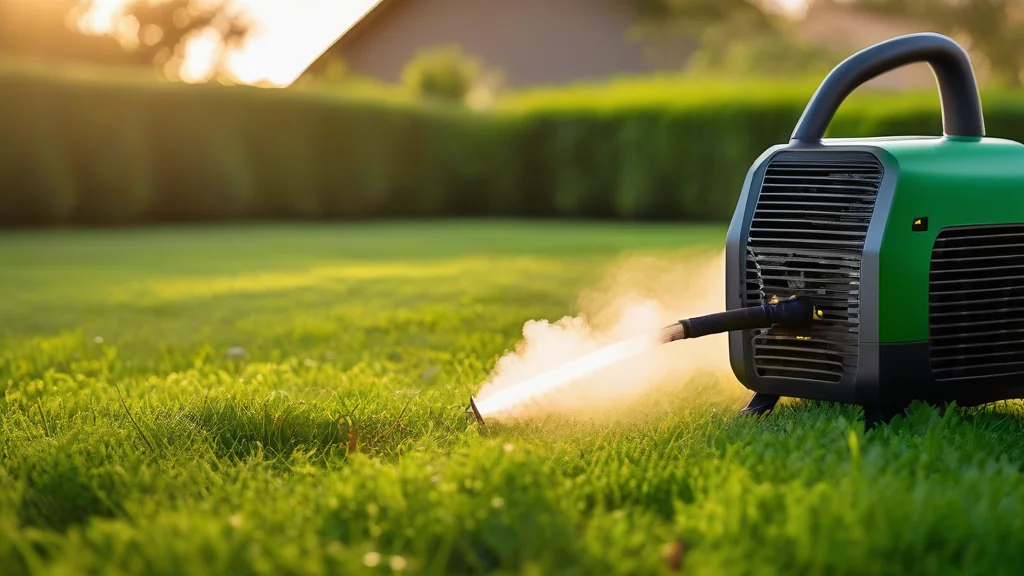
- Long-Lasting Barrier Sprays — Commercial-grade residuals can protect your yard for 21-30 days, breaking the mosquito life cycle.
- Larvicide Application — They can safely treat non-drainable water sources (like plant tanks or drainage ditches) with products unavailable to consumers.
- Time & Convenience — You schedule it, they handle it. This is a major value for larger properties or busy households.
DIY Approaches
- Lower Immediate Cost — Initial investment in sprays, traps, and dunks is cheaper than a seasonal service contract.
- Immediate Action — You can treat a problem the moment you see it without waiting for an appointment.
- Control Over Products Used — You select all-natural or specific chemical formulations if you have concerns.
- High Maintenance Burden — Requires weekly yard inspections, timely re-application, and correct product knowledge to be effective.
The break-even point often comes down to property size and pest pressure. A small, urban yard with minor issues might be managed DIY. A half-acre lot near woods or water will likely benefit from professional mosquito control. Many homeowners use a hybrid model: they handle source reduction diligently and call in a pro for a pre-season barrier spray and mid-summer boost.
Did You Know?
Most professional mosquito control companies use a combination of adulticides (to kill flying adults) and insect growth regulators (IGRs). IGRs mimic hormones that prevent larvae from maturing, offering a longer-lasting, population-suppressing effect.
How to Choose the Right Mosquito Control Provider
If you decide to hire a pro, your next step is vetting companies. Not all mosquito control services are created equal. You're inviting someone to apply chemicals on your property, so due diligence is critical.
- Verify Licensing and Insurance
This is non-negotiable. Ask for their state pesticide applicator license number and proof of general liability insurance. A legitimate company will provide these instantly. Using an unlicensed operator voids any guarantee and poses a significant risk.
- Understand Their Treatment Plan
Avoid companies that only offer a "spray." A reputable provider will conduct an inspection, identify key breeding and resting sites, and explain their multi-pronged approach. Ask: "What percentage of your effort targets larvae versus adults?" and "What specific products do you use?"
- Get Multiple Detailed Quotes
Contact at least three companies. A quote should specify service frequency (e.g., every 3 weeks), the square footage covered, the products used, and the total seasonal cost. Be wary of quotes given over the phone without a site visit.
- Check Reviews and Ask for References
Look beyond star ratings on aggregate sites. Search for the company name plus "mosquito control" on local community forums or Nextdoor. Ask the provider for references from customers in your immediate neighborhood with similar property types.
- Clarify the Guarantee
What happens if mosquitoes return a week after treatment? A strong guarantee, like "re-treatment within 21 days if needed," shows confidence in their work. Get all guarantee terms in writing.
What to Look For in a Top Provider
A standout mosquito control company will emphasize Integrated Pest Management (IPM). This means they prioritize habitat modification (helping you eliminate sources) and use chemicals as a targeted last resort. Their technicians should be certified, wear branded uniforms, and provide a detailed service report after each visit. They should also be transparent about their environmental and safety protocols.
This vetting process can feel overwhelming. Platforms like HomeProMatcher simplify it by connecting you with local, pre-vetted professionals. You answer a few questions about your needs, and they match you with licensed providers who meet basic criteria for insurance and reputation, saving you the legwork of initial screenings.
Understanding Mosquito Control Service Costs
Pricing for mosquito control isn't standardized. It varies dramatically by region, property size, and service level. Knowing what drives the cost helps you evaluate quotes intelligently and avoid overpaying.
The final bill is built on several key factors:
- Property Size and Complexity — A simple, open lawn costs less than a property with dense landscaping, multiple structures, or water features. More vegetation means more surface area to treat and more potential hiding spots.
- Treatment Frequency — Most plans involve treatments every 3 to 4 weeks during peak season (April-September). Opting for monthly versus bi-monthly service changes the annual cost significantly.
- Product Type and Technology — Services using newer, longer-lasting micro-encapsulated formulations or adding barrier treatments to shrub roots will charge more than those using basic pyrethroid sprays.
- Add-on Services — Many companies offer tick control, flea applications, or perimeter pest sprays as bundled packages. Bundling can offer better value than standalone mosquito control.
Always ask what is excluded. Some companies charge extra for treating second-story decks, detached garages, or beyond a certain linear footage of perimeter. Clarify this before signing a contract to avoid surprise fees.
Getting the Most Value From Your Mosquito Control Plan
Hiring a service is just the start. To ensure your investment pays off in a bite-free season, you need to be an active partner in the process. Your actions before and after a treatment drastically impact its effectiveness.
Schedule your first treatment in early spring, before mosquito populations explode. This targets overwintering adults and early larvae, setting a lower population baseline for the entire season. It's easier to prevent an outbreak than to crush one.
First, prepare your yard for the technician. Mow your lawn a day or two before they arrive. Tall grass shields mosquitoes from spray droplets. Put away toys, clear yard waste, and ensure access to all perimeter areas. This allows the treatment to be applied efficiently and thoroughly.
After the service, protect the barrier. Avoid watering your lawn or shrubs for at least 24 hours post-treatment. This gives the product time to adhere to plant surfaces. Also, communicate with your provider. If you notice a sudden increase in activity, especially after heavy rain, call them. A good company will advise if it's time for a re-treatment or if you've missed a new breeding source.
Great News
Effective mosquito control has a community-wide benefit. When you and your neighbors collectively reduce breeding sites, you create a larger zone of reduced mosquito pressure. Consider discussing seasonal service coordination with adjacent households.
Finally, continue your own source reduction efforts. The professional treatment handles the adults and some larvae, but eliminating water sources stops the problem at its root. This one-two punch of professional service and diligent homeowner maintenance is the gold standard for mosquito control.
The ultimate goal isn't just a mosquito-free yard today; it's breaking the reproductive cycle for the entire season. This requires a consistent strategy combining professional expertise with your own weekly yard inspections.
Frequently Asked Questions
Frequently Asked Questions
When applied correctly by a licensed professional using EPA-registered products, the risk is very low. Technicians are trained in safe application. The key is allowing the spray to dry completely, which typically takes 30 minutes to 2 hours. Always follow the re-entry time instructions provided by your service company. For extra precaution, consider natural or organic service options.
You should notice a significant reduction in mosquito activity within 24 to 48 hours for adult mosquitoes. The effect on larvae and pupae in treated breeding sites takes a few days. Remember, the treatment is a barrier—it kills mosquitoes that contact it but doesn't prevent new ones from flying in from untreated neighboring areas.
Modern residual sprays are designed to withstand light to moderate rain once they have dried (usually after a few hours). Heavy, torrential rain shortly after application can reduce effectiveness. This is why professional mosquito control plans include regular re-application every 3-4 weeks throughout the season to maintain the protective barrier.
Yes, most companies offer one-time or event-based treatments. Schedule it 1-2 days before your event for peak effectiveness. Be aware that without follow-up treatments, mosquitoes will return within a couple of weeks as the product degrades and new mosquitoes migrate into the area.
Eliminate standing water, without exception. Conduct a weekly "water hunt" as described earlier. No amount of professional spraying can match the impact of removing the places where mosquitoes reproduce. This simple, free task doubles the effectiveness of any paid mosquito control plan.
Taking back your outdoor space from mosquitoes is a manageable project. It starts with a shift in perspective—seeing your yard through the eyes of a mosquito looking for the perfect nursery. From there, you decide on the right level of intervention, vet potential partners carefully, and become an active participant in maintaining a defense. The result is more than just fewer bites; it's the freedom to enjoy your property in peace.
If the process of finding and vetting licensed local experts feels daunting, remember that resources are available to streamline it. A service like HomeProMatcher can connect you with pre-screened mosquito control professionals in your area, ensuring you start your search with qualified candidates. Your first step is simply deciding that this season will be different.